
- Translation:
- Ключевые различия между French Roast и Italian Roast
- Какие способы заваривания предпочтительны для Italian и French Roasts?
- Когда использовать Italian Roast и French Roast
- Просмотрите итальянские обжаривания и французские обжаривания San Francisco Bay
- ПОДРОБНЕЕ О КОФЕ
- Больше о этом продукте
- ПОЧЕМУ МЫ ИСПОЛЬЗУЕМ АЛЮМИНИЙ?
- Главные выводы
- Понимание обжарки
- Espresso Roast
- Comparing the Roasts
- Bean Types and Origin
- Brewing Methods and Uses
- Tasting Notes
- Coffee Drinks
- Health and Wellness
- FAQs
- Glossary of Terms
- The Origins of Italian Roast Coffee
- What is Italian Roast Coffee?
- How is Italian Roast Coffee Made?
- The Characteristics of Italian Roast Coffee
- Coffee Tastes bitter? right here Why, And a way to restoration It
- A short history of Italian Roast espresso
- Why coffee pros do not Drink Italian Roast espresso
- Here’s What to Drink in place of Italian Roasts
- What kind of coffee Beans Does Italian Roast Use?
- Roasting Temperature For an Italian Roast coffee
- Illy Italian coffee
- How a long way Is The Italian coffee Roasted?
Translation:
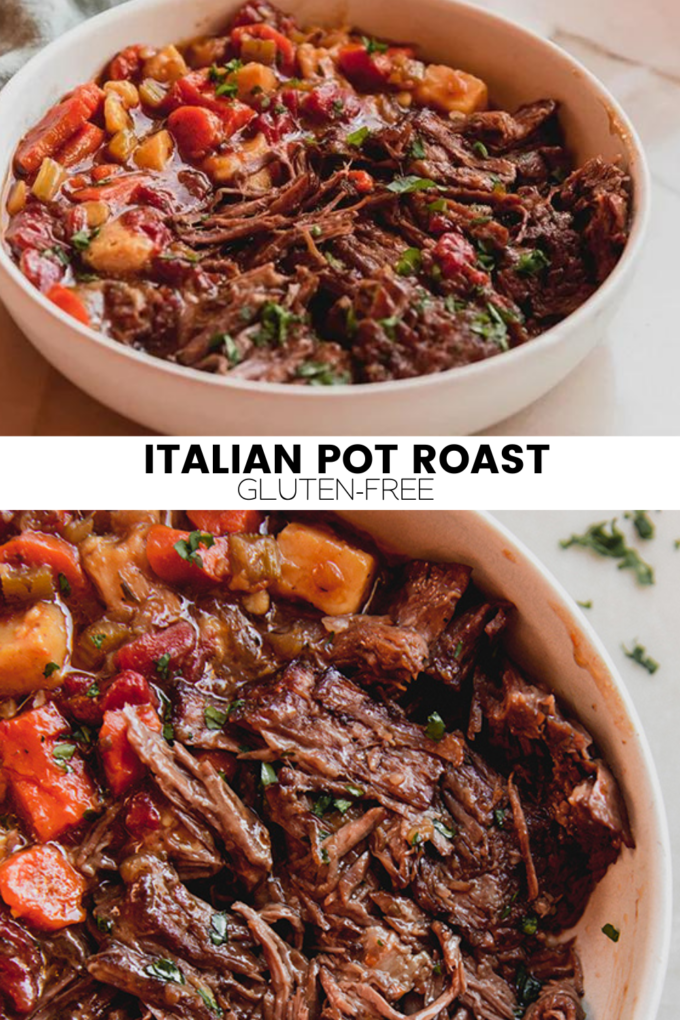
## Итальянский пати роаст
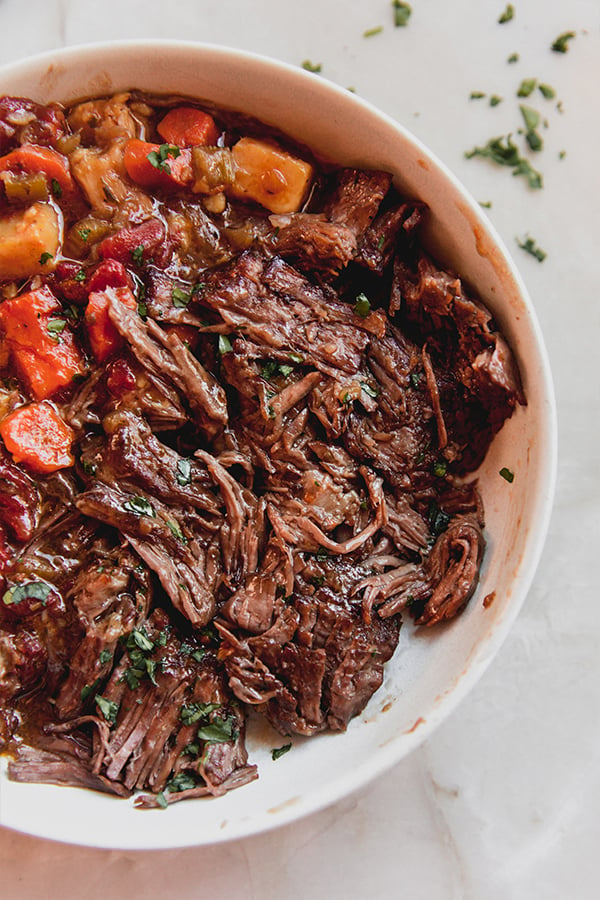
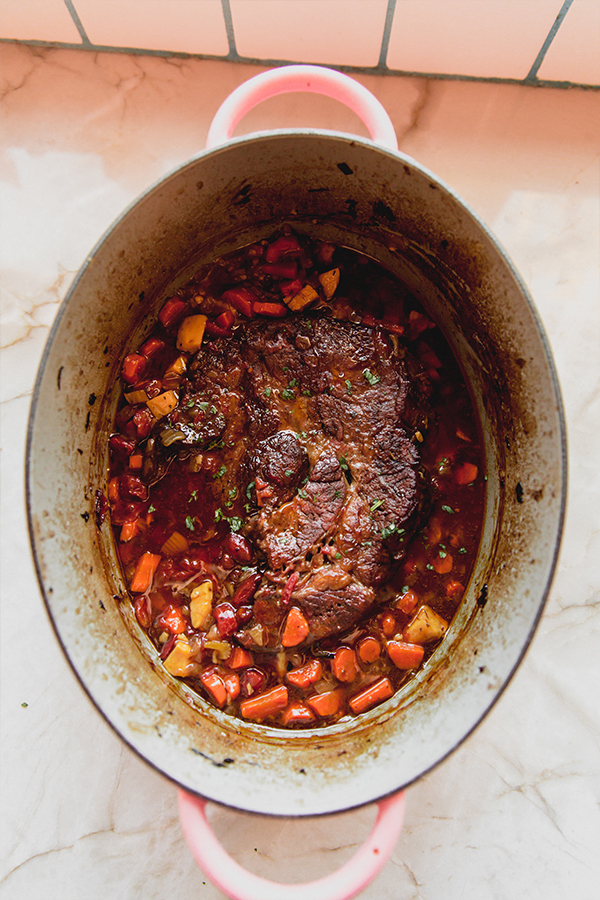
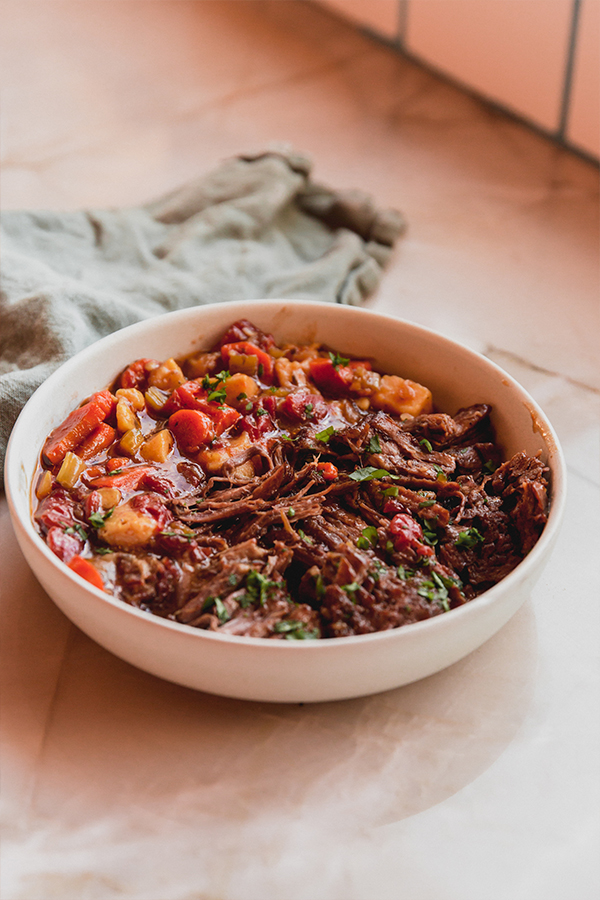
Этот итальянский пати роаст - это истинная продукт настоящего комфорта! Это медленно готовится, утешительное блюдо, готовимое в духовке. Эта версия не содержит глютен.
## Почему вам понравится этот итальянский пати роаст
### Советы и трюки
Для этого способа общее время готовки составит около 3 с половиной часа. Время будет немного изменяться, если мясо говядины с кости или без кости, поэтому следите за этим! Для роста весом 4 фунта общее время готовки составит около 4 часов, но снова, это может варьироваться.
## Инструкции по хранению и разогреву
Храните этот пати роаст в холодильнике 3-4 дня и разогрейте в духовке при 300 градусах Фаренгейта, долив напиток для приготовления, пока он не станет теплым.
### С чем можно подать этот роаст?
Этот пати роаст отлично сочетается с овощами, но также можно добавить гарнир, такой как паста или полента.
## Примечания
### ПОЛУЧИТЕ БЕСПЛАТНЫЕ РЕЦЕПТЫ В ПОЧТУ!
Присоединяйтесь к тысячам других и подписывайтесь на рассылку для эксклюзивных рецептов, советов, рекомендаций и многое другое.

Если вы любитель, вероятно, вы сталкивались с темными роастами кофе, в число которых входят самые популярные варианты. Хотя у них есть сходства, эти темные роасты имеют отличительные характеристики, которые могут значительно определять восприятие напитка. Итальянский и французский роасты считаются темными роастами, потому что они были обжарены по крайней мере до 430 градусов по Фаренгейту. Однако тонкие различия в процессе обжаривания придают каждому его уникальный вкус и особенности. Давайте исследуем тонкости изучения французского роаста по сравнению с итальянским роастом, чтобы помочь вам сделать осознанный выбор и оценить то, что включается в обжаривание вашей любимой чашки.
## Что такое итальянский роаст кофе?
Итальянский роаст кофе - самый темный из темных. Обжаривается по крайней мере до 455 градусов по Фаренгейту, бобы известны своим выраженным горечью и насыщенным вкусом. Благодаря высокой температуре обжаривания кофейные бобы итальянского роаста почти черные и имеют маслянистую текстуру. При заваривании кофе имеет очень насыщенное тело и богатое сенсорное восприятие. Вкусовые ноты зависят от происхождения бобов, но могут включать в себя такие вкусы, как обжаренные хлопья, дым и темный меласса.
## Что такое французский роаст?Кофе French Roast немного светлее из двух. Обжариваются между 450 и 455 градусами по Фаренгейту, зерна имеют темно-коричневый цвет с легким блеском масла. Кофе French Roast известен своим богатым, карамельным вкусом, который привлекает тех, кто любит темную обжарку без горечи, характерной для Italian Roast. Вкусы кофе French Roast могут варьироваться в зависимости от происхождения зерен и включать в себя шоколад, дым и жареные орехи.
Ключевые различия между French Roast и Italian Roast
Давайте рассмотрим эти два популярных темных обжаривания и их различия.
Какие способы заваривания предпочтительны для Italian и French Roasts?
Ваше предпочтение к способам заваривания также может повлиять на выбор между Italian и French Roast кофе. Italian Roast кофе идеален для любителей эспрессо, потому что полнота вкуса и интенсивный вкус отлично сочетаются с кремовостью эспрессо-напитков с добавлением молока. С другой стороны, French Roast кофе подходит для многих различных способов заваривания, включая капельную, френч-пресс или мокка-гейзер.

Когда использовать Italian Roast и French Roast
Выбор между French и Italian Roasts сводится к личным предпочтениям. Попробуйте начать с классических методов заваривания и рецептов, а затем экспериментируйте, чтобы найти то, что вам нравится. Как уже упоминалось, French Roast кофе универсален. Его можно заваривать разными способами и подавать чистым, с молоком и сахаром или использовать в десерте, например, в мороженом кофе. Italian Roast кофе традиционно используется для приготовления эспрессо-напитков, таких как капучино, латте и макиато. Для интересного украшения популярного сезонного напитка рассмотрите использование Italian Roast кофе для приготовления тыквенного карамельного латте.
Просмотрите итальянские обжаривания и французские обжаривания San Francisco Bay
Будь то Italian Roast, French Roast или оба вида, у нас есть все, что вам нужно.
Для самого темного из темных вариантов кофе наслаждайтесь нашим Extra Dark Italian кофе, который доступен в следующих вариантах:
Наш French Roast кофе является одним из наших самых популярных предложений и доступен во многих вариантах:
Если вы хотите попробовать все наши кофе темной обжарки, попробуйте Dark Roast Collection Variety Pack OneCUP™ Coffee Pods, в который входят Dark Italian Roast, French Roast, Espresso Roast, и Fog Chaser.
Вернуться к сведениям о кофе
Кофе с друзьями
Приготовление кофе для гостей – это всегда замечательная идея, вне зависимости от повода. Варите свои любимые кофе Starbucks® для друзей, семьи или коллег.
Основой подхода Starbucks® к продаже этичного кофе являются практики Coffee and Farmer Equity (C.A.F.E.)
ПОДРОБНЕЕ О КОФЕ
Это фирменный тёмный кофе Starbucks®, мастерски созданный для выделения сладости и насыщенности. Он демонстрирует точность и мастерство наших обжарщиков, которые создали кофе, немного темнее, чем Espresso Roast, но без дымного оттенка. Отличная чашка кофе, у неё есть глубина вкуса, которая сочетается с сливками и сахаром.
Наслаждайтесь Starbucks® Italian Style Roast от Nespresso® дома с этим набором кофейных капсул, совместимых с кофемашинами Nespresso®.
Машинные заметки NespressoFOR YOUR NESPRESSO® MACHINE ТЕМНЫЙ
На более насыщенном конце спектра прожарки, Dark Roast имеет более полное тело и сильные, яркие вкусы для интенсивного вкуса.
Больше о этом продукте
Рекомендуемая подготовка: 1. Заваривайте в виде Лунго (110 мл) или Эспрессо (40 мл) в вашей кофемашине Nespresso®. 2. Расслабьтесь и наслаждайтесь. Starbucks® Coffee Capsules от Nespresso® Получите потрясающий вкус кофе Starbucks® дома с капсулами, совместимыми с Nespresso®. 10 порций в тубе, уровень интенсивности 11.
ПОЧЕМУ МЫ ИСПОЛЬЗУЕМ АЛЮМИНИЙ?
STARBUCKS и логотип Starbucks используются по лицензии Nestlé. Pike Place является зарегистрированным товарным знаком The Pike Place Market PDA, использованным по лицензии. Nespresso и NESCAFÉ Dolce Gusto являются зарегистрированными товарными знаками Société de Produits Nestlé S.A. Все остальные товарные знаки являются собственностью их владельцев.
Мир кофе предлагает разнообразие вкусов и впечатлений для искушенного вкуса. Среди множества стилей обжаривания три выделяются своими уникальными профилями: итальянская обжарка, французская обжарка и обжарка для эспрессо. Понимание нюансов этих обжарок может поднять уровень вашего кофейного удовольствия и помочь вам выбрать идеальный напиток для удовлетворения ваших вкусовых рецепторов.
Обжарка – это ключевой этап в производстве кофе, поскольку она выделяет естественные вкусы и ароматы зерен. Степень обжарки может значительно влиять на вкус, с более светлыми обжарками, придающими акцент на фруктовые и цветочные ноты, а темные обжарки демонстрируют смелые, интенсивные вкусы. Исследуя различия между итальянской обжаркой, французской обжаркой и обжаркой для эспрессо, важно погрузиться в их уникальные характеристики, используемые зерна и методы заваривания.
Итальянская и французская обжарки обе являются тёмными обжарками – основное различие заключается в их интенсивности и профилях вкуса. Итальянская обжарка ещё темнее французской обжарки, производя более дымный, смелый вкус. Обжарка для эспрессо, напротив, относится к конкретной технике обжарки, нацеленной на приготовление эспрессо, а не на определенный уровень обжарки. Обжарки для эспрессо обычно имеют средний до темный профиль, который обеспечивает баланс между вкусами происхождения кофе и нотами обжарки.
Главные выводы
Поднимите свою игру в кофе на следующий уровень, испытывая роскошь итальянского мастерства. Не упустите возможность попробовать наши топовые коммерческие итальянские кофейные машины.
Понимание обжарки
Обжарка – это ключевой процесс в производстве кофе, в ходе которого зеленые кофейные зерна превращаются в коричневые зерна с богатыми, сложными вкусами, которые мы знаем и любим. Во время процесса обжарки кофейные зерна подвергаются серии химических реакций, которые формируют вкусовые профили и ароматы. Процесс состоит из двух ключевых этапов, а именно первого и второго треска, и температура играет важную роль в результате.
Первый треск происходит, когда зерно испаряет пар и расширяется, обычно происходит примерно при 196°C (385°F). После этого момента начинают формироваться уровни обжарки. Уровни обжарки могут варьироваться от светлой, средней до темной и обычно классифицируются по наличию масла на поверхности, цвету и вкусовому профилю. Светлые обжарки характеризуются яркой кислотностью, средние обжарки демонстрируют более сбалансированные вкусы, в то время как темные обжарки обладают смелым, интенсивным вкусом с выраженной горечью.
По мере того как зерна продолжают абсорбировать тепло, их внутренняя температура повышается, что приводит ко второму треску. Этот этап происходит примерно при 224°C (435°F) и означает переход от средне-темных до темных обжарок, таких как итальянские и французские обжарки. Во время второго треска масла изнутри зерен поднимаются на поверхность, создавая более блестящий вид.
Более долгие времена обжарки приводят к получению более темных зерен, которые, в свою очередь, производят более смелые и интенсивные вкусы. Например, итальянская обжарка характеризуется более темным оттенком и крепким, слегка горьким вкусом, исходящим из более продолжительного времени обжарки. С другой стороны, французская обжарка немного светлее, с выраженным дымным и обугленным вкусовым профилем.
В отличие от этого, более короткие времена обжарки приводят к более светлым обжаркам с более характерными вкусами, часто выделяющими происхождение зерен. Примером может служить обжарка для эспрессо, которая является средне-темной обжаркой, балансирующей сладость, кислотность и плодовые ноты, создавая характерный вкус, идеальный для эспрессо напитков.
В заключение, процесс обжарки играет ключевую роль в формировании вкуса и аромата кофе. Температура, уровень обжарки и время обжарки – все это взаимосвязанные факторы, которые варьируются в зависимости от конкретного типа обжарки и желаемого вкусового профиля. Понимая эти аспекты, можно оценить тонкости между итальянской, французской и обжарками для эспрессо, выбрав идеальный кофе по своим предпочтениям.
Итальянская обжарка кофе – это тип темной обжарки, который часто считается обладающим крепким вкусовым профилем с заметными дымными и горькими характеристиками. Эта темная обжарка характеризуется темно-коричневым внешним видом, наличием масел на поверхности зерен и сложным вкусом, включающим ноты темного шоколада, дыма и тонкой сладости.
The process of creating an Italian roast involves roasting the coffee beans at a higher temperature for a longer period compared to other dark roasts, such as French and Espresso. This extended roasting breaks down the cell structure of the beans, allowing the natural oils to surface and create a glossy appearance. The result is a bold, smoky taste with low acidity and a distinctive aroma.
In terms of taste, Italian roast is known for its intense, robust flavors, which often include notes of dark chocolate, smoke, and slight sweetness. These rich flavors, combined with the reduced acidity, make it an appealing choice for those who prefer a full-bodied coffee with a bold, smoky flavor profile.
As with any dark roast coffee, the aroma is an essential aspect of the overall experience. Italian roast is renowned for its compelling smell, which combines the intensity of dark roasts with the unmistakable smoky and bitter scents, providing an enticing olfactory experience for coffee lovers.
Compared to other dark roast coffees, Italian roast stands out due to its darker roast level and stronger, more concentrated flavors. This makes it distinct from French roast, which is generally considered to be slightly milder in taste. In comparison to Vienna roast, which is another type of dark roast, Italian roast is darker and has a more pronounced smoky flavor.
In conclusion, Italian roast coffee is a bold option for those who appreciate intense, dark roast coffees with rich, smoky flavors and reduced acidity. Its distinctive dark brown appearance and complex taste profile make it a popular choice for coffee aficionados who enjoy a robust coffee experience.
The taste of French Roast is quite distinctive, often described as having a smoky, slightly bitter flavor with low acidity. The complex flavor profile of French Roast is achieved by roasting the beans at a high temperature for longer durations. This process reduces acidity, breaks down cell structure, and causes the dominant smoky flavor to develop. The dark chocolate notes and aroma are also heightened during this roasting method.
In terms of body, French Roast tends to have a thinner texture compared to other dark roasts. While it may appear a dark, rich coffee, the texture is lighter and more subtle. This can be a pleasant surprise to those who might expect a thicker coffee due to its dark appearance. Despite this, the flavors and aroma still remain intense, providing a satisfying coffee experience for those who enjoy dark roasts.
Vienna Roast, another dark roast coffee, is often closely compared to French Roast since both come from the darker end of the roasting scale. However, French Roast is typically roasted longer and darker than Vienna Roast, resulting in a more pronounced smoky flavor and further reduction in acidity.
In conclusion, French Roast offers a unique, intense, and smoky taste with dark chocolate undertones and a reduced acidity. Its thin body and prominent aroma make it a popular choice among dark roast coffee enthusiasts.
Espresso Roast
Espresso roast is a type of dark roast coffee, specifically crafted for the purpose of making espresso, a concentrated coffee beverage. It exhibits distinct characteristics that set it apart from other dark roasts like Italian and French roasts.
Espresso roasts are known for their robust flavor and rich aroma, attributed to the dark roasting process. The beans are roasted until they turn dark brown, releasing aromatic oils that influence the distinct taste and smell of the coffee. Typically, espresso roasts are less acidic and bitter than lighter roasts but may have a more intense, smoky flavor.
The body of an espresso roast coffee is often described as full and thick, with a complex flavor profile. This is partly due to the presence of oils, which are brought to the surface of the beans during the roasting process. These oils contribute to the crema – a golden-brown, creamy layer of froth that forms on top of a properly brewed espresso.
Darker roasts like espresso, Italian, and French roasts undergo a longer roasting time, which influences the depth and intensity of their flavors. However, espresso roasts are usually not as dark or smoky as the darkest roasts like Italian and Vienna roasts. The key to a good espresso roast is achieving a delicate balance between dark chocolate, smoke, and sweetness in the flavor profile.
In terms of brewing methods, espresso roasts are specifically designed for espresso machines, which use pressure to force hot water through the finely-ground coffee, resulting in a concentrated and flavorful shot. However, espresso roasts can also be used for other brewing methods such as moka pots, which yield a strong, espresso-like coffee. Espresso roasts are the foundation for various espresso-based drinks, such as americanos and macchiatos.
In summary, espresso roast is a type of dark roast coffee that stands out for its robust flavor, rich aroma, and full body. Less acidic and bitter than lighter roasts, it presents a complex flavor that balances dark chocolate notes, smoky nuances, and a hint of sweetness. Primarily used for brewing espresso, it can also work with other brewing methods and acts as the base for a range of popular espresso drinks.
Comparing the Roasts
When it comes to coffee, there is a wide range of roasts, each with its distinct flavors, aromas, and colors. Among these roasts are the French, Italian, and Espresso roasts, which are often dark and bold, making them popular choices for coffee lovers.
French Roast is typically dark and has an intense, smoky flavor with a thin body. This roast level pushes the beans to the brink of combustion, giving it a heavily caramelized taste. Roasted at a temperature of around 240°C (464°F) for a slightly shorter period than an Italian roast, French roast is generally darker than a medium roast but not quite as dark as an Italian roast.
Italian Roast is characterized by its dark color and bold, robust flavor. This roast level is darker than a French roast, with the beans roasted until they reach an oily appearance. While both French and Italian roasts have a strong roasted taste, the Italian roast is often bolder due to the longer roasting time. The roasting style of an Italian roast focuses on achieving a delicate balance of flavors that complements heavy cream in traditional Italian espresso drinks.
Espresso Roast is a term used to describe a darker roast specifically tailored for brewing espresso. However, it can fall under the category of either French or Italian roast, as long as it produces a rich, full-bodied coffee with thick crema. While it may seem that darker roasts have more caffeine, the reality is that the roasting process lowers caffeine levels. Thus, an espresso roast might not be stronger in terms of caffeine content compared to a lighter roast.
A significant difference between these roasts lies within their flavor profiles:
In terms of appearance, Italian roast usually has a darker and glossier finish than French roast due to the increased roasting time. When it comes to aromatics, all three have stronger aromatic profiles than lighter roasts, but the intensity and nuances will vary depending on the roast level and beans used.
By understanding the distinctions between French, Italian, and Espresso roasts, coffee enthusiasts can better appreciate the various taste profiles and roasting styles that make each cup unique.
Bean Types and Origin
Arabica and Robusta are the two primary species of coffee beans used in the production of Italian roast, French roast, and espresso roast coffees. Each type of bean has distinct characteristics that influence the final taste and aroma of the coffee.
Arabica beans are known for their mild, smooth flavor and lower acidity levels. They are typically grown in higher altitudes and require more care during cultivation. Arabica beans are considered superior in taste and quality, making them the preferred choice for lighter roasts and specialty coffee blends.
Robusta beans, on the other hand, are more resilient to pests and diseases, making them easier to grow. They are often cultivated at lower altitudes and yield a higher caffeine content. Robusta beans have a stronger, more robust flavor profile, often described as bold and earthy. These beans are commonly used in darker roasts and espresso blends, where the intense flavor can come through.
When it comes to bean origins, coffee is grown in various regions across the world, each imparting unique flavors to the beans depending on the climate, soil, and altitudinal conditions. Some of the most well-known coffee-growing regions include:
With all this in mind, it’s essential to understand that Italian roast, French roast, and espresso roast do not refer to the coffee beans’ origin, but rather the level of roasting involved in producing the final product. Both Arabica and Robusta beans can be used to create these different roast levels, though Arabica beans are more commonly found in lighter roasts, while Robusta beans tend to excel in dark and espresso roasts.
Brewing Methods and Uses
When it comes to brewing methods, different coffee roasts have their unique uses and preferred techniques. In this section, we will discuss the brewing methods and uses of Italian roast, French roast, and Espresso roast.
Italian Roast: Often favored for brewing espresso shots, Italian roast is typically prepared using dark-roasted beans. The slightly less than medium coarseness of the beans creates more surface area for extraction, resulting in a more flavorful cup due to the release of each bean’s oils. Italian roast can be prepared using a variety of methods, such as using an espresso machine, Moka pot, or even a French press.
French Roast: French roast is known for its intense, smoky taste with subtle hints of bitterness and low acidity. As a versatile option, it can be brewed using standard coffee makers, such as drip machines, pour-over methods, or a French press. The French press is particularly suitable for this roast, as it extracts the full-bodied, bold characteristics of the coffee while maintaining its aromatic qualities.
Espresso Roast: Espresso roast is primarily used for creating concentrated shots through an espresso machine. The roasting process results in a darker, more intense flavor profile that suits the unique brewing method. Although espresso roast is primarily used for the espresso machine, it can also be brewed with a Moka pot. However, it is typically not common to use espresso roast in a standard coffee maker or French press, as those methods may not fully extract the flavors and potency of this roast.
In summary, Italian roast, French roast, and Espresso roast each have their respective brewing methods and uses. While Italian roast is ideal for espresso shots and can be brewed with various equipment, French roast offers versatility in its brewing options, with the French press being highly suitable. On the other hand, Espresso roast is best suited for concentrated shots using espresso machines or a Moka pot, with less compatibility with other brewing methods.
Tasting Notes
When it comes to comparing the taste profiles of Italian roast, French roast, and espresso roast coffee, there are distinctive characteristics to be considered. Each roast brings out unique flavor notes and aromas, with varying levels of bitterness, sweetness, and complexity. Here, we will provide a brief overview of the tasting notes for each roast.
Italian Roast: This dark and bold coffee is roasted longer than the French roast, resulting in a smoky and slightly bitter taste. The complex flavor profile often exhibits hints of dark chocolate and nuts. The long roasting process also causes the sugars in the beans to caramelize, giving the brew a faint caramel undertone. As for its aroma, Italian roast coffee emits a robust, slightly sweet scent.
French Roast: Characterized by a thinner body and more intense smoky taste, French roast coffee is often preferred by those seeking a strong and bold flavor. Its taste leans more towards the bitter end, but still retains a velvety chocolate and caramel underside. The aroma of French roast is rich and can be characterized by the scent of burnt sugars, courtesy of the dark roasting process.
Espresso Roast: While not exclusively a type of roast level, espresso roast coffees are generally darker, falling within the dark-to-very-dark range. This roast is tailored to highlight the coffee’s flavors when extracted as espresso. It possesses a balance of sweetness and bitterness, with flavor notes that can range from dark chocolate to honey, nuts, and even subtle fruitiness. The aroma of espresso roast is often bold and distinct, typically exuding a rich and inviting scent that complements its complex flavor palette.
In summary, Italian roast, French roast, and espresso roast coffees each hold unique taste profiles, aromas, and levels of bitterness and sweetness. While Italian roast showcases smoky, dark chocolate, and nutty flavors, French roast is known for its intense smoky and bitter taste with chocolate and caramel notes. Espresso roast, on the other hand, strikes a balance between sweet and bitter, highlighting a diverse range of flavor elements, such as dark chocolate, honey, and nuts.
Coffee Drinks
Espresso roast, Italian roast, and French roast are all popular options for various coffee drinks. Each roast provides a unique flavor that can contribute to the overall taste of milky, frothy beverages such as espressos, cappuccinos, and lattes.
Espresso is the base for most coffee drinks, offering a rich, concentrated coffee flavor. This coffee is created by forcing pressurized water through finely ground coffee beans. Espresso roast, specifically, is designed to achieve a harmonious balance of flavors that can withstand the brewing process.
Lattes, on the other hand, contain a larger proportion of steamed milk to espresso, with just a dollop of froth on top. French roast can work beautifully in lattes as its milder flavors and slightly nutty profile blend well with the increased milk content.
Another popular coffee beverage is the americano, which is essentially an espresso diluted with hot water. The choice of roast for an americano comes down to personal preference and the desired intensity of flavor. Italian and French roasts can both be used, with the Italian roast providing a stronger, more robust taste, while the French roast offers a milder, smoother experience.
In conclusion, the choice of roast for various coffee drinks such as espressos, cappuccinos, lattes, and americanos depends on individual preference and the desired flavor profile. It is important to experiment with different roasts to find the perfect combination for the ultimate coffee experience.
Health and Wellness
When discussing the health benefits and effects of Italian roast, French roast, and espresso roast coffee, several factors play a role, such as caffeine content, chlorogenic acid, and antioxidant properties. Each roast type has its unique characteristics that may influence the overall health and wellness impacts.
Caffeine Content: Caffeine can affect individuals in different ways, causing excitement, wakefulness, and increased alertness. In terms of caffeine content, all three roasts have similar amounts, with the darker roasts showing a slightly lower level due to the longer roasting process. Typically, the difference in caffeine content is relatively minimal, and choosing between these roasts should be based on personal preference and tolerance towards caffeine.
Chlorogenic Acid: Chlorogenic acid is a natural compound found in coffee beans that is known for its antioxidant and anti-inflammatory properties. It has been associated with a reduced risk of developing certain diseases such as Type 2 diabetes and heart disease. As the roasting process continues, the concentration of chlorogenic acid in the beans decreases, indicating that lighter roasts may have higher amounts of this beneficial compound. While this can vary, it is worth considering when evaluating the health benefits of coffee roasts.
Antioxidants: Coffee is a well-known source of antioxidants, which help protect the body against damage caused by free radicals. These antioxidants can potentially lower the risk of various diseases such as cancer, heart disease, and neurodegenerative diseases. Although the darker roasts (Italian and French) contain slightly fewer antioxidants compared to lighter roasts due to the longer roasting process, they still offer a significant amount of these health-promoting compounds.
In conclusion, the health and wellness benefits of Italian roast, French roast, and espresso roast coffee depend on a variety of factors, including caffeine content, chlorogenic acid, and antioxidant levels. While all three roasts possess health benefits, consumer preferences and individual sensitivities should be taken into consideration when choosing between them, as each roast offers a unique taste and experience.
FAQs
As a coffee lover, you might have questions about the differences between Italian roast, French roast, and espresso roast. In this FAQ section, we address some common queries to help you understand these popular coffee roasts.
1. What is the difference between Italian roast and French roast?
The primary distinction between Italian and French roasts is the temperature at which they are roasted. Both are considered dark roasts, but Italian roast beans are roasted to a slightly higher temperature, giving them a darker and more intense flavor profile compared to French roast.
2. What is the difference between espresso roast and Italian roast or French roast?
Espresso roast refers to a specific roast level tailored for making espresso shots, which generally has a bold and rich flavor. It may sometimes coincide with an Italian or French roast, as these are also dark roasts, and dark roasted beans are often preferred for espresso brewing. However, an espresso roast can be distinct from Italian and French roasts, as some coffee companies create their unique espresso roast profile to suit their specific espresso blends.
3. How do roast levels affect the flavor of coffee?
Roast levels greatly impact the overall taste of coffee. Light roasts showcase the beans’ origin flavors, such as floral, fruity, or nutty notes. Medium roasts balance these origin flavors with the roast’s caramelized flavors, such as chocolate or caramel. In contrast, dark roasts, like French and Italian, emphasize the flavor from the roasting process and typically have heavier, bolder, and more bitter taste profiles.
4. What type of roast is best suited for coffee lovers who prefer a bold and intense flavor?
Coffee lovers who enjoy a strong, full-bodied coffee experience will likely prefer darker roasts like Italian, French, and espresso roasts. These roasts have a deeper flavor profile, with notes of dark chocolate, caramel, and sometimes even a hint of smokiness.
5. Do coffee companies offer different types of roasts for their beans?
Yes, many coffee companies provide an array of roast levels to cater to different tastes and preferences. This includes light, medium, and dark roasts, sometimes with specific subtypes like Italian, French, or espresso roast. Some coffee companies even craft unique roast profiles to develop their distinctive flavor offerings.
Glossary of Terms
Body: The body refers to the mouthfeel or texture of the coffee. It can be described as thin, medium, or full-bodied. A coffee with a thin body would feel light or watery in the mouth, while a full-bodied coffee would have a creamy or thick texture.
Acidity: Acidity in coffee is the presence of organic acids that give the brew its bright and lively character. It can range from low (smooth) to high (tart), featuring flavors like citrus, pineapple, or other fruity notes. Some common types of acidity found in coffee are citric, malic, and tartaric.
Roast level: Roast level refers to the degree to which coffee beans are roasted. The scale ranges from light to dark, with each roast level offering unique flavor profiles and characteristics. Light roasts preserve more of the bean’s natural flavors, while darker roasts develop caramelization and bitterness.
Oil inside the bean: During the roasting process, coffee beans’ fats and starches break down to create oils. As the roast level gets darker, more oils are released, contributing to the bold flavors and heavier body found in darker roasts.
Types of roasts: There are several roast levels, including light, medium, and dark roasts, each with varying flavors, body, and acidity. Specialty roasts such as Italian or French roast are considered dark roasts with distinct characteristics.
Caramelization: During the roasting process, the natural sugars in coffee beans undergo caramelization, which gives dark roasts their sweet, smoky, and roasted flavors. Caramelization is more prominent in darker roasts like Italian and French roast.
Baking chocolate: A flavor descriptor often associated with dark roasts, baking chocolate implies a robust, slightly bitter taste as a result of more extended roasting and a higher degree of caramelization.
Coffee roasts: Coffee roasts refer to the beans after they have undergone the roasting process, developing different flavor profiles, body, and acidity levels. Some key roast levels include light, medium, dark, French, and Italian roasts.
Delicate flavor: Delicate flavor describes the nuanced and subtle tasting notes in coffee, often found in lighter roasts or beans with higher acidity. These flavors can be fruity, floral, or tea-like.
By providing this glossary of terms, readers can have a better understanding and appreciation of the differences between Italian roast, French roast, and espresso roast coffees.
Coffee is a beloved beverage around the world, with different cultures and regions developing unique ways to roast and prepare their beans. One of the most popular roasts is the Italian Roast, known for its bold and intense flavor. In this article, we’ll explore what Italian Roast coffee is, how it’s made, and how to enjoy it.
The Origins of Italian Roast Coffee
Coffee has a long and storied history in Italy, with the first coffeehouses appearing in Venice in the early 1600s. Over time, Italian coffee culture evolved to include a variety of roasts, from light to dark. The Italian Roast, also known as the Neapolitan Roast, emerged in the 20th century and has since become one of the most popular roasts in the world.
What is Italian Roast Coffee?
Italian Roast coffee is a dark roast coffee characterized by its bold and smoky flavor. It’s made by roasting coffee beans at a high temperature for an extended period of time, which causes the beans to become dark and oily. The result is a coffee that’s rich, full-bodied, and intense.
How is Italian Roast Coffee Made?
The process of making Italian Roast coffee starts with the beans. The beans used for this roast are typically high-quality Arabica beans, which are grown in regions such as South and Central America, Africa, and Asia. Once the beans are harvested, they’re roasted at a high temperature, usually around 480°F, for 15–20 minutes.
During the roasting process, the beans go through several stages, each with its own distinct flavor profile. In the case of Italian Roast coffee, the beans are roasted until they reach a dark brown color and are covered in oil. This gives the coffee its signature bold flavor.
The Characteristics of Italian Roast Coffee
Italian Roast coffee has several characteristics that set it apart from other roasts. Here are some of the most notable:
Italian Roast espresso is So Freaking dark
these days, the most common and smooth-to-apprehend manner to explain roast degree is by means of the color of the beans. much like a chunk of toast, coffee beans start off one coloration and slowly darken as they may be uncovered to warmness.
mild roast coffee has a tendency to be fruitier and extra acidic, tasting closest to the uncooked espresso fruit, with a huge range of taste relying at the espresso range.Medium roast espresso takes on a “toasted” flavor, and varies extensively depending at the coffeedarkish Roast has a “robust” or “ambitious” taste, like darkish chocolate and toasted nuts. Flavors distinct to the coffee can also be tasted hereextraordinary, extremely or greater darkish roast (like Italian roast) have a awesome “roasted” or “charred” taste — the burnt toast of coffeein the course of roasting (or any ‘browning’ process) a chemical reaction is happening referred to as the Maillard reaction. Amino acids and sugars react to extended heat in a way that produces browning and the scrumptious flavor we partner with darkish roast coffee.
maximum of what you taste with a exquisite darkish roast coffee is the roast, no longer the coffee itself.
Coffee Tastes bitter? right here Why, And a way to restoration It
In truth, most of the unique taste of the espresso gets roasted proper out — the sugars and acids get burnt up and all it’s left is the ashy taste. now not a huge deal if that is what you prefer, but there may be a whole international of flavor you’re missing out on!
A short history of Italian Roast espresso
whilst Italians honestly popularized espresso ingesting, specifically espresso, espresso does not initially come from Italy.In terms of starting place, there’s no such component as Italian coffee beans. coffee vegetation do no longer certainly develop in Italy’s climate and consequently must be sourced someplace else and roasted in Italy.(amusing reality: You is probably able to develop a potted espresso plant on an Italian windowsill, however it in all likelihood wouldn’t yield sufficient fruit to make a unmarried cup of espresso.)
the perfect manner to produce a massive amount of a constant-tasting product the usage of different origins became to roast them so dark you can not taste the distinction.
when a employer replicates this flat fashion of roasting, it’s sort of like you’re getting a massive, flavorless tomato. positive, it has a purpose, however it’s not what you need in case you want genuinely top espresso.
read: five matters coffee fans need To recognize about coffee
satirically, It truly is going totally in opposition to the cutting-edge Italian way of eating and drinking, which prioritizes clean, neighborhood, and small-batch/artisan.
Why coffee pros do not Drink Italian Roast espresso
once more, Italy popularized coffee. depending on the organisation, Italian Roast could be a manner of saying “use this espresso for espresso”.
but in recent times, because of primary advances in roasting and coffee brewing generation, you may successfully make espresso with just about any coffee. you could also brew a pour-over the use of an coffee combination!
So there’s definitely no want to stick to an Italian Roast if what you are truly searching out is scrumptious coffee.
In reality, maximum espresso professionals could steer faraway from Italian Roast, because of unknown beginning and quality. there may be an entire global of delicious coffee obtainable — however Italian Roast coffees have a tendency to be predictably bleh-tasting.
Here’s What to Drink in place of Italian Roasts
if you’ve enjoyed Italian Roasts within the past, but want to revel in richer, smoother, more nuanced coffee, we have suitable information.
There are remarkable dark roasts that don’t compromise on taste — and that sincerely do not have that burnt or ashy flavor.
they’re flawlessly able to recalling those flavorful reminiscences of espresso as you watch the Tuscan sundown, or your morning coffee earlier than you explore the Colosseum.
In fact, we promote multiple them.
Our Medium Roast espresso is a outstanding center-of-the-road bean for espresso, with notes hazelnut, brown sugar, and a hint of pink fruit 🌰Our darkish Roast coffee is wealthy and formidable — a extra conventional espresso with notes of subtle chocolate, maple, and caramel 🍫Our espresso Roast is best for medium-to-light coffee enthusiasts who want to strive some thing with vanilla, strawberry, and sugarcane notes 🍓Sound exciting?
What kind of coffee Beans Does Italian Roast Use?
The coffee beans used can be either be 100% Arabica or a mix of Arabica and Robusta beans.
Arabica coffee is naturally a most desirable choice for any type of espresso due to the easy truth that they may
that is, however, now not the case all the time. although Robusta espresso beans are generally taken into consideration a decrease-satisfactory supply of coffee, some Robusta beans are really better than low-first-rate Arabica beans.
however, that’s not often the case.
And, the choice of the coffee beans kind will largely rely on your preference. If you like your espresso sour, Robusta beans are the suitable choice for you.
furthermore, the caffeine content material inside the Robusta bean is considerably greater than in Arabica espresso. So, it additionally comes right down to how your flavor buds reply to the taste and flavor.
Roasting Temperature For an Italian Roast coffee
There’s some conflicting facts obtainable about the roasting temperature of Italian roast coffee. some say that the roasting temperature must be 464°F.
Others say 464°F is the ideal temperature for a French roast and that Italian roast have to sincerely be at 473°F.
The purpose for the variance is that there’s no standard naming conference for one of a kind espresso roasts. So, what one roaster calls an Italian roast might not be what any other roaster calls an Italian roast.
but one factor that everyone can agree on is that an Italian roast is one of the dark roasts.
It’s roasted at a high temperature until the beans pass the second crack, oils are launched, and bittersweet/burnt taste notes turn out to be extra awesome.
Illy Italian coffee
check On Amazon
How a long way Is The Italian coffee Roasted?
the fast answer is to the “2d crack”. The coffee beans are subjected to excessive temperatures for long periods of time.
The coloration and texture of the beans hold to change as time passes. the second one crack is the stage in which your coffee beans produce a cracking sound, even though softer than the primary crack.
that is in which the oils from within the coffee beans start to migrate toward the surface. the second one crack marks the factor where the espresso’s herbal taste notes begin to diminish relative to the roast flavor.