
- История кофе в Кении
- Введение
- Кенийский кофе
- Четверг, 3 августа 2023
- ПО КРАТКОСТИ
- Застой в торговле кофе также удар по правительству, поскольку экспорт является одним из основных источников валюты в условиях растущего счета на импорт и обязательств по выплате внешнего долга.
- Kenyan Coffee Varieties
- The Early Years
- Major coffee production areas
- The Challenges of the 1980s and 1990s
- Kenya’s coffee regions
- Cultivation, harvest and processing
- History of coffee in Kenya
- Can he do it?
- The Kenyan Coffee Industry Today
- The Future of the Kenyan Coffee Industry
- Kenyan Coffee Processing
- Marketing agents
- Coffee cooperatives
- Coffee Directorate
- MISSION STATEMENT
- OBJECT AND PURPOSE
- The Future of Kenyan Coffee
- Kenyan Coffee and the Global Coffee Market
- KENYA Coffee Fact
- RESEARCH
- GRADING AND CLASSIFICATION
- QUALITY ASSURANCE
- Notable coffee estates, cooperatives and factories
- Sustainability and fair trade
- Coffee tours and tastings
- Coffee Marketing and Promotion
- Classification of beans
- Taste profile
- Kenyan Coffee Cooperatives
- Rigathi Gachagua’s reforms
- Independence and the Rise of the Coffee Industry
История кофе в Кении

Кения считается одной из лучших стран в мире для выращивания кофе. Благодаря своим вулканическим участкам, Кения предлагает идеальные условия для роста кофе. Кофе известен своим уникальным вкусом и высоким качеством. Дайте себе увлечь ароматическим разнообразием и узнайте, почему кенийский кофе такой особенный.
Введение
Кения – страна в Восточной Африке с богатой и сложной историей. Здесь живет разнообразие народов и культур, а ландшафт характеризуется потрясающими саваннами, заснеженными горами и пышными джунглями.
Кофе – один из самых важных сельскохозяйственных продуктов и экспортных культур Кении. Он играет важную роль в экономике страны и обеспечивает средства к существованию для миллионов кенийцев.
Список источников:
- Howden, Daniel (9 февраля 2012) Войны кофе в Кении The Independent, Проверено 27 августа 2013
- KOroth, Sylvester (3 июля 2013) Недостаток политики и недостаточная техническая компетенция ущемляют кофейную промышленность Кении The Business Daily, Проверено 27 августа 2013
- Davids, Kenneth (2001) Кофе из Африки и Аравии: обзор кенийского кофе, Проверено 27 августа 2013
- Adams, Tim (17 февраля 2013) Эндрю Ругасира: может ли кофе изменить жизнь в Африке The Guardian, Проверено 28 августа 2013
- Commodities of Empire – исследовательский проект Британской академии, базирующийся в Центре по истории Современности и Современной Истории Университета Бирмингема https://commoditiesofempire.org.uk/publications/working-papers/working-paper-8/.
Кенийский кофе
Кенийский кофе известен по всему миру своим ярким и сложным вкусом. Он также является ключевым компонентом экономики страны: кофе – третий по величине сельскохозяйственный экспорт Кении и обеспечивает занятость для более чем 600 000 фермеров – 75% из которых – мелкие сельскохозяйственные предприниматели.
Однако сектор кофе Кении также столкнулся с вызовами в последние десятилетия. С 1987/88 кофейным годом производство кофе в Кении сократилось на 70% – с 130 000 метрических тонн до около 40 000 в 2020/21 кофейном году.
Климат страны сыграл свою роль. Восточная Африка в последние годы подвергалась непредсказуемым погодным явлениям, которые многие относят к изменению климата. Это включает нерегулярные осадки, снижение доступности воды и повышение температуры, которые могут неблагоприятно влиять на производство кофе.
Более того, цепочка поставок кофе в Кении стала все более консолидированной, и появились определенные участники, которые могли свободно торговать на убыток сектора – особенно фермеров.
“Наш сектор кофе в основном контролируют три компании, которые создали собственные фабрики по обработке кофе. Те же компании превращаются в маркетологов, затем движутся вперед и становится покупателями,” – заявила губернатор Сесили Мбарире во время Саммита кофейных фермеров в июне.
Некоторые утверждают, что предыдущие кофейные регуляции Кении работали против фермеров. Закон облегчал богатым посредникам торговать кофе, но практически невозможно было мелким фермерам самостоятельно помолоть или продать свой урожай. Это позволяло посредникам эксплуатировать фермеров, фактически заставляя их соглашаться на низкие цены, поскольку только они имели прямой рыночный доступ.
Текущая цепочка создания ценности эксплуатативна по своей природе и не предназначена для пользы производителям, – говорит Лабан Ньюгана, основатель аукциона специального кофе Zabuni.
Четверг, 3 августа 2023
Страна экспортировала 6 447 тонн кофе в мае, согласно данным Центрального банка Кении.
ПО КРАТКОСТИ
Кения экспортировала наибольший объем кофе за 14 лет в мае, что обусловлено увеличением местного производства в результате благоприятных погодных условий, что может быть подорвано приостановкой государственных разрешений на торговлю.
Свежие данные Центрального банка Кении (ЦБК) показывают, что страна экспортировала 6 447 тонн в мае, наибольшее количество экспорта с мая 2009 года, когда экспорт составил 7 401 тонн.
Кофе был продан на сумму в 4,83 миллиарда кенийских шиллингов (33,84 миллиона долларов), что превращается в 750 543 кенийских шиллингов (5 257 долларов) за тонну. Это самая высокая цена за бобы с августа 2022 года, когда тонна стоила 764 990 кенийских шиллингов (5 358 долларов).
В последние месяцы Кения пользовалась резким ростом производства кофе, и в финансовом году 2021/22 производство кофе выросло на 50,24 процента, что было самым высоким уровнем урожайности за два десятилетия.
Национальное производство увеличилось с 34 512 тонн кофе в урожайный год 2020/21 до 51 853 тонн в 2021/22 году, согласно данным Дирекции кофе.
Объемы на аукционе увеличились с 25 126 тонн (407 432 мешков) до 38 890 тонн (630 646 мешков).
Кроме того, объемы прямых продаж выросли с 10 444 тонн (174 806 мешков) до 11 841 тонн (197 341 мешка).
Кофейные фирмы воспользовались плодотворным сбором урожая, что увеличило их доходы.
Например, компания Eaagads, занимающаяся продажей кофе и котируемая на Найробийской фондовой бирже (NSE), заработала чистую прибыль в размере 10,88 миллиона кенийских шиллингов (76 217 долларов) за финансовый год, закончившийся в марте, что на 14 процентов больше, чем 9,53 миллиона кенийских шиллингов (66 760 долларов) в прошлом году.
Компания приписала успех увеличению продаж кофе, благодаря чему ее доход вырос с 234 миллионов кенийских шиллингов (1,64 миллиона долларов) до 142 миллионов кенийских шиллингов (994 746 долларов).
За отчетный год компания достигла продажи 348 тонн кофе по сравнению с 185 тоннами в марте 2022 года, – сообщила фирма.
Увеличение в основном обусловлено благоприятной погодой в этом году, что улучшило развитие зерен.
Однако сектор в последние недели застопорился после того, как правительство приостановило лицензии на кофейную торговлю для всех трейдеров, так как правительство преследует реформы для устранения картелей.
Фермеры опасаются, что склады приведут к падению цен при возобновлении торговли, подвергая их потерям.
Застой в торговле кофе также удар по правительству, поскольку экспорт является одним из основных источников валюты в условиях растущего счета на импорт и обязательств по выплате внешнего долга.
Правительство обещало продлить существующие разрешения на маркетинг и брокерскую деятельность на три месяца до сентября через извещение в газете, но этого не произошло, – рассказал источник из отрасли Nation на прошлой неделе.
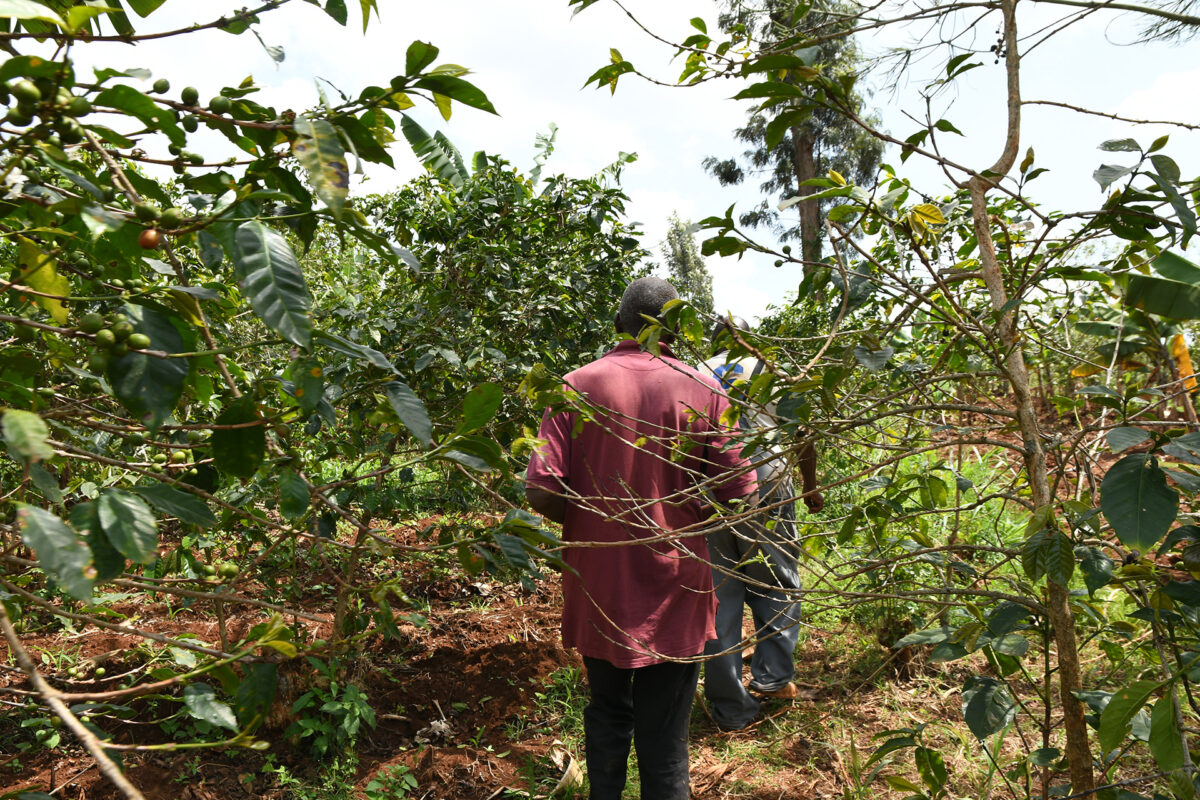
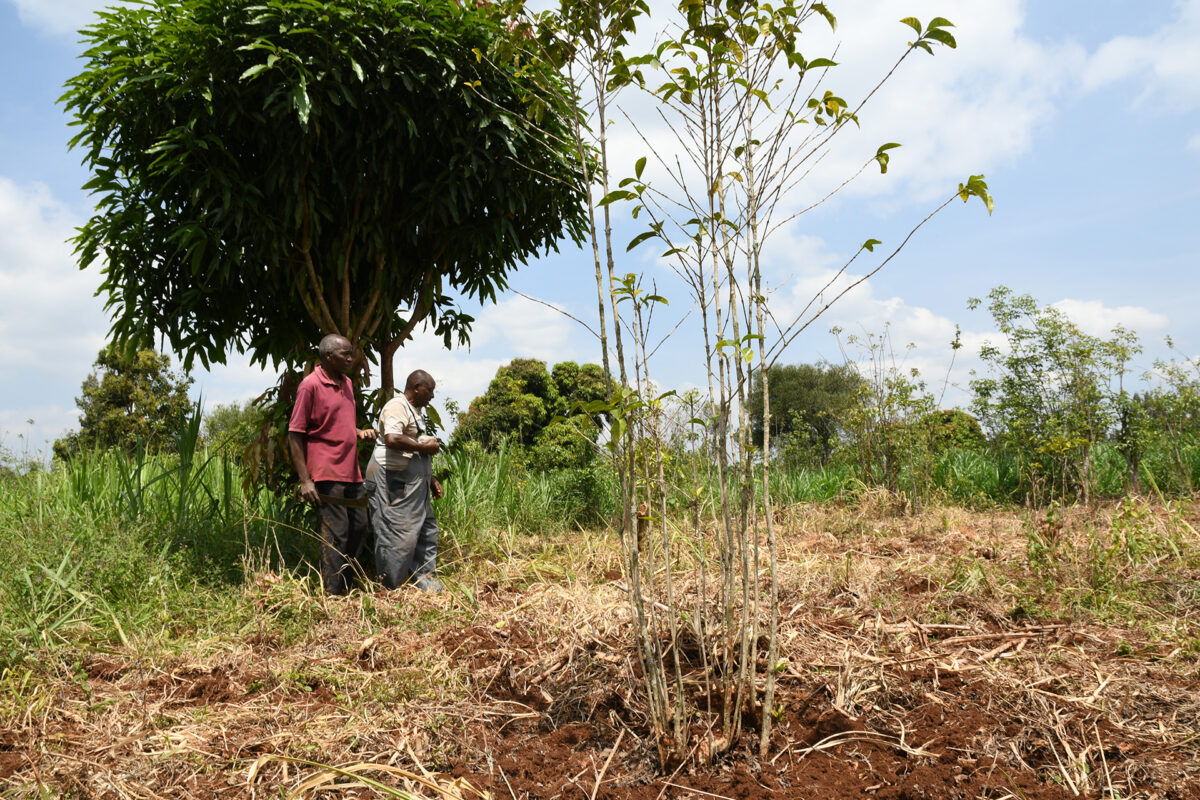
Густые заросли газона видны с дорог, прокладывающихся сквозь заметные зеленые холмы Киамбу в центральном регионе Кении. Поздним утром в октябре в деревне Гакарара Доминик Ваверу поднимался на свои два акра земли. Его урожай гибридного ячменя скрывал то, что когда-то было его кофейной фермой. Слева его братская ферма с несколькими кустами кофе, точно посаженными на новоукорененный сад.
Мучай и Ваверу вспоминают, как в их молодости фермеры в Гакараре собирали тысячи килограммов каждый день в сезон. Семья Ваверу раньше взвешивала 3,000 килограммов кофейных ягод каждый день. Это то, чем нас образовали наши родители, – сказал он. В зените своего успеха кооператив общины фермеров Гититу имел 42 фабрики по переработке кофе и тысячи фермеров, ежегодно взвешивавших тысячи килограммов кофе. Затем начались спад из-за плохого управления и растрат кооперативов. Последний раз он взвешивал свой кофе в кооперативе Гититу в 1997 году.
В отличие от Ваверу, Мучай, 68, никогда не переставал ухаживать за своими кустами кофе. Он все еще собирает кофе каждый сезон, но не возит его на местное кооперативное общество. Он предпочитает продавать свой кофе брокерам, которые покупают у фермеров. Как и Ваверу и тысячи других фермеров в Рюки, он потерял деньги и доверие к кооперативному обществу. Многие такие кооперативы в Киамбу, а также в других округах центрального региона Кении, прекратили свое существование.
Сейчас заместитель президента Кении Ригати Гачагуа стоит во главе последней волны реформ в кофейной отрасли, задача, которая имела жертвы и привлекла внимание многих. Недавно лицензии маркетологов, мельников и экспортеров кофе были аннулированы, что привело к путанице и убыткам в отрасли, чтобы вскоре после этого некоторые из них были восстановлены. Поскольку начинается сезон сбора кофе и реформы еще не введены, кофейная отрасль Кении находится на перепутье.
В начале этого года Гачагуа начал кампанию правительства по реформированию сектора кофе на конференции в Меру на востоке страны. На конференции он призвал сущности, которые он назвал картели, покинуть сектор кофе. Я хочу сделать объявление всем этим людям, которые жили на поте кофейных фермеров, что вы уже получили достаточно. Далее вы должны получить то, что вам полагается, маленький процент. Девяносто пять процентов должны пойти кофейному фермеру, – сказал он.
На конференции он говорил о реформировании Найробской кофейной биржи, сущности, которая управляет аукционом кофе в стране. В 2020 году правительство утвердило правила Фонда вращающегося займа на оплату вишен в размере 3 миллиарда кенийских шиллингов (29,5 млн долларов США), чтобы содействовать развитию кофейного земледелия в стране.
В Кении существуют три крупные компании по торговле кофе: Sucafina, Ecom и NKG. Эти компании также владели мельницами и маркетинговыми агентствами, которые были созданы в соответствии с правительственными регуляциями, требующими, чтобы компания могла заниматься маркетингом, помолом или экспортом только в том случае, если у нее были компании, посвященные исключительно этой услуге. С текущими реформами эти компании лишились своих лицензий и им потребовалось подать заявку на лицензию только на одну услугу, например, только маркетинг.
На конференции в мае Гачагу настаивал на том же. Сегодня ситуация, когда те самые люди, которые занимаются маркетингом, также являются мельниками и обжарщиками, недопустима. Это не работает. Именно так кофейный фермер был эксплуатирован, – сказал он.
Менеджер одного из крупнейших маркетинговых агентств по продаже кофе, чья компания имела приостановленную лицензию, считает, что реформы должны были бы быть проведены на производственном уровне. С 1987 года производство кофе в Кении снизилось примерно на 70% до 40 000 метрических тонн в 2021 году. Он сказал, что высокие затраты на производство кофе в Кении делают его неконкурентоспособным. Высокая налоговая система на входные продукты, движение рабочей силы, которое часто увеличивает зарплаты, неэффективное мокрое обработка кофе и отсутствие улучшенных сортов кофе, по его словам, – некоторые из вещей, которые следовало бы урегулировать вместо этого.
Менеджер, который говорил с Sprudge условно анонимно, сказал, что ни одна из пяти частных мельниц в настоящее время не имеет лицензии. Ранее пять мельниц мелило 90% кофе в Кении. Новые правила требуют, чтобы кооперативы отвозили свой кофе в Кенийское кооперативное союзников посадопроизводителей (KPCU) для помола. KPCU в течение многих лет не обрабатывало огромные объемы кофе. Он считает, что доверие к KPCUа с молоть всю кофе – недальновидно, потому что даже фермеры не доверяют новому KPCU. Эта сейчас государственная организация имела более 750 000 фермеров, занимающихся мелким земледелием, из более чем 300 кооперативов и около 2 000 агрохозяйств.
Гачагу заявил, что кооперативы, представляющие фермеров, не должны были быть подразделены, чтобы начать, и реформы также должны быть направлены на кооперативы. Мучаи оптимистично смотрит на реформы. Он ждет возрождения кооперативов, чтобы он мог снова продавать свой кофе, не боясь потерять свои деньги. По его словам, проблема с его кооперативом в Гититу заключается в растрате средств. Он сказал, что чиновники кооперативного общества не перечисляли деньги фермерам, что привело к краху общества.
As of August, the license revocation issue had affected the volumes being traded. Coffee mills who lost their licenses can’t sell over 100,000 bags of coffee they have in stores. In early October, a number of coffee mills announced that they would be laying off staff since they can’t operate. Those that did coffee marketing already laid off staff.
As coffee farmers and traders wait for the reforms to be instituted fully, the early crop has already been harvested and with private millers’ licenses suspended, a crisis may be in the offing. The suspension of licenses means that the chains have been broken occasioning huge losses. “What was pushing prices for Kenyan coffee is specialty coffee which are certified and certification applies to the entire value chain from the farmer, to the miller to the exporter. By channeling coffee to KPCU, that chain is broken and we now have a significant loss of value because those are the ones that were getting premium prices,” said the coffee marketing manager.

Kenyan Coffee Varieties
Kenya is home to a wide variety of coffee varieties. The most popular coffee varieties grown in Kenya include:
These coffee varieties are all known for their high quality and unique flavor profiles.
The Early Years
The first coffee trees were brought to Kenya in the 1850s by French missionaries. However, it wasn’t until the late 19th century that coffee cultivation began to take off on a large scale.
In 1895, the British East Africa Protectorate was established, and the British began to encourage the cultivation of coffee by Kenyan farmers. The British also introduced new coffee varieties and improved cultivation techniques, which helped to boost coffee production.
Major coffee production areas
Kenya is divided into a number of coffee regions. Each coffee region has its own unique climate and terroir, which results in coffee with different flavor profiles.
The most important coffee regions in Kenya include:
The Challenges of the 1980s and 1990s
In the 1980s and 1990s, the Kenyan coffee industry faced a number of challenges. These challenges included:
Despite these challenges, the Kenyan coffee industry managed to survive and even thrive. This was due in part to the efforts of Kenyan farmers, who continued to produce high-quality coffee.
Kenya’s coffee regions
The best known coffee growing areas in Kenya are Kiundi, Mount Kenya and Kirinyaga. Coffee beans are grown on the fertile volcanic soil. A warm, humid climate and regular rainfall provide ideal growing conditions. Kenya’s coffee is mainly produced by 600,000 smallholder farmers. They own only a few hectares of land, but account for about 60 % of coffee production. The remaining 40 % are grown on around 1,300 large plantations.
Cultivation, harvest and processing
Coffee plants grow in the higher altitudes of the country, where the climate and soil are ideal. The main harvest usually takes place from October to December. Coffee cherries are picked by hand to ensure that only the ripe ones are picked. After harvest, the cherries are de-pulped (separated from the pulp) to expose the bean. The beans are then washed and fermented to give them their characteristic flavor. The beans are then dried and sorted before being exported.
History of coffee in Kenya
The history of coffee in Kenya dates back to the 19th century. The first coffee plants were introduced by missionaries. Coffee was grown in large estates under British colonial rule. In 1933, the Coffee Act was passed, establishing the Kenya Coffee Board and moving coffee sales back to Kenya. It was only after 1960, when Kenya became independent again, that Kenyans themselves began to grow coffee on small farms and continue to develop some of the best quality coffee in the world. Until today, only Arabica coffee is produced.
Can he do it?
The Kenyan coffee sector’s challenges run deep, and they have persisted for a long time without being addressed at a systemic level. These proposed reforms seek to address that – but implementing them will be a colossal undertaking.
“If the reforms are done right, the producers, the consumers and the industry stand to gain. If they are not, then we will simply replace the current ‘cartels’ with new ones and nothing will change – it may even get worse,” explains Laban.
However, all the signs suggest that these reforms are comprehensive, and seek to target all areas of the supply chain. In other words: the Deputy President means business.
“The Deputy President does have what it takes to effect change,” says Laban. “First, he has the support of his boss, President William Ruto.
“Second, he has a good and first-hand understanding of the industry, as he is from the largest coffee-growing region in Kenya – the Mt. Kenya region,” Laban adds. “Third, I think there is a consensus from leaders and producers that things must change.”
Reviving Kenya’s coffee sector will be no small feat – but Deputy President Gachagua’s reforms are comprehensive, and they outline a clear vision for the future of Kenyan coffee. They are clearly the most exhaustive efforts anyone has made to combat these deep-rooted challenges in years. Whether or not they will succeed? Only time will tell.
Deputy President Rigathi Gachagua will be attending PRF Colombia on 14 & 15 September, and will speak on his proposed reforms at the event.
The Kenyan Coffee Industry Today
Today, the Kenyan coffee industry is one of the most successful in Africa. Kenya is now the third-largest coffee producer in Africa, after Ethiopia and Uganda.
Kenyan coffee is known for its high quality and unique flavor. It is prized by coffee lovers around the world for its bright acidity, complex flavor profile, and smooth finish.
The Future of the Kenyan Coffee Industry
The Kenyan coffee industry is facing a number of challenges in the 21st century. These challenges include:
However, the Kenyan coffee industry is also well-positioned to meet these challenges. The Kenyan government is investing in research and development to help farmers adapt to climate change and reduce input costs.
The Kenyan coffee industry is also working to promote Kenyan coffee in new markets. As a result of these efforts, the Kenyan coffee industry is expected to continue to grow in the years to come.
Kenyan Coffee Processing
Kenyan coffee is known for its high quality and unique flavor profile, which is due in part to the country’s unique coffee processing methods. The vast majority of Kenyan coffee is processed using the wet method, which involves removing the pulp from the coffee cherry and then fermenting and washing the beans. This process helps to develop the coffee’s acidity and brightness, which are two of its hallmarks.
Kenyan coffee processing begins with the selective picking of ripe coffee cherries. The cherries are then transported to washing stations, where they are sorted and graded. The cherries are then pulped, which removes the pulp and leaves the parchment-covered coffee bean. The parchment is then fermented in water for 12-24 hours. This fermentation process helps to break down the mucilage, a sticky layer that surrounds the coffee bean. the parchment is washed and then dried on raised beds.
The dried parchment is then hulled and sorted to remove any defects. The hulled coffee beans are then graded and packaged for export.
Kenyan coffee processing is a complex and labor-intensive process, but it is essential to producing the high-quality coffee that Kenya is known for. Kenyan coffees are prized by coffee lovers around the world for their bright acidity, and clean finish.
Here are some of the key steps in Kenyan coffee processing:
Kenya’s aromatic coffee is not one of the best in the world for nothing. With a Trip to Kenya you have the chance to taste the black gold yourself on site. A tour through the beautiful coffee plantations is perfect for this.
Marketing agents
Marketing agents are individuals or companies hired by farmers to represent their coffee at the Nairobi Coffee Exchange. During this process, marketing agents act solely as intermediaries and do not assume ownership of the coffee.
In the past, cooperatives were not allowed to sell directly to the NCE. As such, farmers and cooperatives relied on marketing agents to present their coffee at the Exchange.
However, many have argued that these agents do not operate with farmers’ best interests in mind. In some cases, they have reportedly interfered with cooperatives’ management elections, often to ensure a candidate is installed that will award them marketing contracts.
Marketing agents also often control pricing. They set reserve prices, supposedly in partnership with farmers, but often undersell the coffee. Because the farmer has such limited involvement after the coffee is sent to the NCE, marketing agents are able to manipulate and ultimately drive down coffee prices.
However, under the proposed new trading rules, farmers will no longer be required to designate a marketing agent, and they will receive their sales earnings directly through the new Direct Settlement System.
“The journey to putting the money to where it belongs – the pocket of the farmer – is firmly on course,” Gachagua said. “We are reforming these agencies to serve the farmer better. I wish to assure our farmers that the reforms are unstoppable. Our interest and focus remain on the farmer, especially the small-holder, earning more at the international market.”
Coffee cooperatives
Farmers will also be able to skip cooperative unions should they wish to, who have often been criticised for extremely delayed payments to farmers.
However, one area that the Deputy President is focusing on is reforming the country’s cooperatives model – and strengthening the New Kenya Planters Co-operative Union (KPCU).
Eleven cooperative unions have already been licensed to sell coffee directly at the Nairobi Coffee Exchange and overseas, further reducing the need for marketing agents. More are on course to attain the necessary licensing.
“We must come up with economically viable cooperatives and threshold for election of leaders and officials of the societies. If we do not look at the Cooperative Act, we won’t get anywhere, because there are serious governance issues,” Gachagua said.
Gachagua plans to amend the Cooperatives Act as part of the Coffee Bill, which is awaiting parliamentary approval. This will streamline the governance of cooperative societies. He also proposes merging existing cooperatives which are not financially sustainable

Coffee Directorate
Be a reputable facilitator for the Development, Promotion and overall oversight for the coffee industry.
MISSION STATEMENT
To provide a conducive environment for the growth of the industry through regulation, building partnerships, promoting competitiveness, value addition through branding thus enhance quality/production for producers and consumer satisfaction.
The Coffee Directorate is the apex body for the coffee industry, established in 1934 after the enactment of the coffee industry ordinance in 1933. The Directorate was charged with the responsibility to carry out regulation and marketing of coffee. The auctions as a mode of selling Kenya coffee was established in 1934 and created in 1935 to enhance quality assessment through the grading. This role has changed over time through various amendments to the law. In 2001, the coffee Act cap 333 was repeated and the coffee Act No. 9 of 2001 enacted, establishing the Directorate as a statutory body under the Ministry of Agriculture, solely to regulate the coffee industry.
OBJECT AND PURPOSE
In order to enable the industry competitively embrace the ever changing industry dynamics both locally and internally, the government has continuously provided the required policy and legal reforms.
In deed, the role of the government through (CBK) has so far been reduced to that of providing an enabling environment to all the players by creating a level playing field.
The Future of Kenyan Coffee
The Kenyan coffee industry is committed to sustainability. A number of coffee cooperatives in Kenya are now certified by Fairtrade and Rainforest Alliance.
Fairtrade and Rainforest Alliance certification ensures that coffee farmers are paid a fair price for their crops and that their coffee is produced in a sustainable way.
The Kenyan coffee industry is also working to reduce its environmental impact. Coffee cooperatives are now using more sustainable farming practices, such as composting and water conservation.
The Kenyan coffee industry has a long and rich history. It has played a vital role in the Kenyan economy and has provided a livelihood for millions of Kenyans.
Kenyan coffee is known for its high quality and unique flavor profile. It is prized by coffee lovers around the world.
The Kenyan coffee industry is facing a number of challenges in the 21st century, but it is well-positioned to meet these challenges and continue to grow in the years to come.
Kenyan Coffee and the Global Coffee Market
Kenyan coffee is highly prized by coffee lovers around the world. It is known for its high quality and unique flavor profile.
Kenyan coffee is exported to all over the world, including the United States, Kenya is now the third-largest coffee producer in Africa, after Ethiopia and Uganda.
KENYA Coffee Fact
There are many types of coffees in the world and the main species are Arabica and Robusta. Arabica is a high quality, mild coffee much favoured for blending.
Kenyan Arabica is grown on rich volcanic soils found in the highlands between 1400 to 2000 meters above sea level. It is an established fact the finest Arabic coffee in the world is grown in Kenya.
The climate is never hotter than an European summer and never cooler than the best kind of European spring with a temperature range of not more than 19C (35F). Rainfall is well distributed throughout the year where coffee is grown with an annual precipitation not less that 1000 mm (35”) and deep well-drained red loam soils. These conditions make most of the districts in Kenya where coffee is grown unique in the world. There are broad, gently rounded ridges, sloping not too steeply into valleys which run swift perennial streams. The red volcanic soil is of great depth and fertility on the slopes ensuring good drainage.
Coffee production goes through a systematic protocol from seed to cup from nursery, farm, pulping, milling and grading. Attention to detail guarantees that the consumer only gets the best of our Kenya Coffee.
RESEARCH
The Coffee Research Foundation is the premier research institution and one of the best in the world. It is financed by the growers and undertakes specialized research in all matters pertaining to the production, processing and marketing of coffee.
The Kenya Coffee College, housed within the precincts of the Coffee Research Foundation, offers both local and international, training on all aspects of coffee. The highly qualified staff work tirelessly to ensure that information on the best and most modern farming technologies are disseminated to the stakeholders in real time.
Kenya coffee has been grown for over a century now, since 1893 when it was first introduced in Kenya. The total area under coffee is estimated at 160,000 hectares, about one third of which is the plantation sector and the rests under small holder sector with an estimated 700,000 growers.
The total annual production has been fluctuating widely due to climate as well as socio-economic factors. At the moment, production stands at about one million bags per year.
There are two distinct flowerings in each year, shortly after the beginning of the rains in March/April or October. At the moment, production stands at about one million bags per year.
There are two district flowerings in each year, shortly after the beginning of the rains in March/April or October. In most districts the main crop ripens from October to December. The early crop often starts in May-July.
Almost all Kenyan coffee is processed by a wet method in order to ensure the best quality. Growers pick only the red-ripe cherry. At the factory, the cherries are sorted before processing and unripe, overripe or diseased cherries removed. The cherries are then pulped to remove the outer skin.
The slimy sugary coating (mucilage) – which remain on the beans is removed through fermentation process. Fermentation of parchment should be completed within 36 hours.
The parchment is now ready for sun drying on drying tables where it is regularly turned to obtain the bluish colour for which Kenya coffee is famous.
Drying the coffee is the lat process on the farm. When it is fully dried the coffee is bagged and ready to be sent to the mills.
GRADING AND CLASSIFICATION
PB Round beans usually one in a cherry.
AA Large beans (&.20 mm screen)
AB This grade is a combination of A and B (6.80 mm screen)
C Smaller bean than B
E Elephants. The largest beans.
TT Any light coffee blown away from all grades including ears mostly from elephants.
T The smallest and thinnest beans mostly broken and faulty.
Mbuni is coffee that has not gone through the wet process (unwashed). It comprises about 10% of the total crop and graded either as heavy mbuni (MH) or light mbuni (ML). This grade generally fetches lower prices and has a sour tasting liquor.
These grades are then classified based on a numerical reference system on a scale of 1 to 10. The quality of the raw, roast and the liquor are analyzed and described based on this scale where one (1) is the finest and best and ten (10) is the least favoured. The cup may be described as Fine Fair to Good. Fair Average Quality (standard 4), Fair, Poor to Fair to Common Plain Liquors.
QUALITY ASSURANCE
Coffee quality and safety has been an issue of great concern to coffee producers and consumers all the world over.
The Directorate as the regulatory authority puts coffee quality at the centre of its mandate. Every coffee miller and marketing Agent is by law required to forward a coffee sample for every lot handled for quality analysis and arbitration in case of dispute. Growers also come to the Directorate for quality analysis of their coffee samples before making their marketing decisions.
Notable coffee estates, cooperatives and factories
During the colonial era, coffee production in Kenya continued to grow steadily. By the 1920s, Kenya had become one of the leading coffee producers in Africa.
Sustainability and fair trade
Kenya’s coffee industry has increasingly focused on sustainability and fair trade in recent years. Many coffee farms in Kenya are Rainforest Alliance certified, which means they adhere to strict environmental standards and work to protect the environment and biodiversity. In addition, there is also Fairtrade certified Kenyan coffee, which ensures that coffee farmers receive fair prices for their harvest and work under fair working conditions. By buying sustainable and fair trade Kenyan coffee, you can protect the environment and improve the living conditions of coffee farmers.
Coffee tours and tastings
There are many coffee farms and plantations that offer tastings. Especially coffee farms around Nairobi offer tours. At a tasting you can try different varieties and explore the diverse aromas and flavor profiles yourself. Here you can also learn about the process of growing and preparing coffee. Culture and history also find their place here.
Coffee Marketing and Promotion
Currently, there are two coffee marketing systems in Kenya. The time tested central auction system has coffee auctions conducted every Tuesday of the week throughout the year. This is a market where coffee is bought by the licensed coffee dealers through competitive bidding. The Nairobi Coffee Exchange is under the management of the Kenya Coffee Producers and Traders Association (KCPTA).
The Direct Sale, commonly referred to as “Second Window” requires that a marketing Agent directly negotiate with a buyer outside the country and a sales contract is duly signed and registered with the Directorate. The Directorate ratifies the contract after carrying out an inspection and analyzing the coffee for quality and value as per the contract.
There are two categories of Marketing Agents namely:- Commercial Marketing Agents who offer their services purely for commercial purposes and the Grower Marketing Agents who are growers marketing their own coffee.
The Directorate has the responsibility together with other stakeholders of promoting Kenya Coffee. This is done through:-
Coffee DirectorateCoffee Plaza bldg., 10th FloorExchange Lane, off Haile Selassie AvenueP.O. Box 30566-00100 NAIROBIPhone: +254-20-342717, +254-20-342358Mobile: 0710-670-026, 0788-109-426
Classification of beans
The beans are classified according to their size with individual abbreviations. A few of these abbreviations are:
Taste profile
The coffee is known for its lively acidity, which gives it a bright and tangy note. The rich red soil on which the beans grow is particularly rich in aluminum and iron. This makes Kenyan coffee particularly acidic. Often the flavor is fruity, reminiscent of berries and citrus. Kenyan coffee also has a delicate sweetness and full body. The beans are often roasted medium to dark to create an intense aroma.
Two special coffees are:
Kenyan Coffee Cooperatives
Kenyan coffee cooperatives play a vital role in the Kenyan coffee industry. Cooperatives help farmers to market their coffee and get a better price for their crops.
The first coffee cooperatives in Kenya were established in the 1930s. At that time, British settlers controlled the coffee industry, and Kenyan farmers were often forced to sell their coffee to the settlers at low prices.
Coffee cooperatives helped to give Kenyan farmers more control over their coffee and get a fairer price for their crops. there are over 700 coffee cooperatives in Kenya.
The Role of Women in the Kenyan Coffee Industry
Women play a vital role in the Kenyan coffee industry. Women make up over 60% of the workforce on Kenyan coffee farms.
Women are involved in all aspects of coffee production, from planting and harvesting the coffee cherries to processing the coffee beans.
In recent years, there has been a growing movement to empower women in the Kenyan coffee industry. A number of organizations are now working to provide women with training and support, and to help them to start their own coffee businesses.
The Kenyan Coffee Auction
The Kenyan Coffee Auction is one of the most important coffee auctions in the world. coffee farmers from all over Kenya sell their coffee beans at the auction.
Buyers from all over the world come to the auction to bid on the coffee beans. The coffee beans are sold to the highest bidder.
The Kenyan Coffee Auction is an important source of income for Kenyan coffee farmers. It also helps to ensure that Kenyan coffee is sold at a fair price.
Rigathi Gachagua’s reforms
“We need these reforms to franchise producers into the value chain, not as lesser partners but as equals,” says Laban. “They must be able to derive economic benefit from the coffee they grow just like other players in the value chain. This in turn will lead to better coffee for consumers.”
These reforms will review existing licences held by millers and marketing agents, with a focus on revoking any unfairly held licences. Previously, some entities held multiple roles – a miller, marketing agents, exporter, warehouse manager, and logistics provider under one roof. The reforms seek to eliminate this consolidation in the value chain, requiring different entities to specialise in specific roles.
For example, several roles previously filled by marketing agents that were associated with millers have been assigned to licensed brokers. This includes coffee classification, preparation of sale catalogues, and submission of coffee for sale at the Nairobi Coffee Exchange – the primary auction platform responsible for trading over 85% of Kenya’s coffee.
Licensing will also be decentralised. Local governments, the Capital Markets Authority, and the Agriculture & Food Authority will each oversee licensing for milling, brokerage, and coffee buying respectively.
“By having three distinct licensing authorities, there will be checks and balances along the value chain for the best interest of the Kenyan coffee farmer,” said Cooperatives Principal Secretary Patrick Kiburi Kilemi.
The Capital Markets Authority will also supervise a new trading system at the Nairobi Coffee Exchange, with Cooperative Bank securing a bid to provide the Direct Settlement System (DDS) – a platform for coffee trading.
The DDS will help to ensure transparent and efficient price discovery and faster settlement for farmers. Under the system, funds will be dispersed within 48 hours of sale – in contrast, farmers can wait up to 4 months to be paid under the current system.
This should address the current problem where buyers pay funds to marketing agents. In this scenario, marketers often withhold payments to farmers, or fail to communicate their fees transparently.
Independence and the Rise of the Coffee Industry
Kenya gained independence from Britain in 1963. After independence, the Kenyan government made coffee development a priority.
The government provided financial assistance to Kenyan farmers to help them establish their own coffee farms. The government also established coffee cooperatives, which helped farmers to market their coffee and get a better price for their crops.
As a result of these government initiatives, coffee production in Kenya continued to grow rapidly. By the 1980s, Kenya had become one of the world’s leading coffee producers.