
Санкции и уход крупных западных игроков ведут российский рынок к импортозамещению, а производители ищут новые алгоритмы для оптимизации логистики.
• Как сохранить ассортимент в будущем?
• Можно ли быстро переключиться на новых поставщиков и наладить с ними связь?
• Что делать с товарными остатками?
Нужно решать эти вопросы быстро и правильно. От этого зависит и срок хранения товаров, и покупательский спрос, и бизнес в целом.
Решение есть. Продукт CUSTIS – Direct Trade
Direct Trade выводит отношения ритейлера и поставщиков на качественно новый уровень.
Проблемы, с которыми справляется Direct Trade:
• «раздутый» штат торговых представителей
• расходы на производство, хранение, маркетинг
• невозможность оперативно влиять на продажи в магазинах (положение продукции на полках, цены для конечных покупателей, акции и т.д.)
• планирование закупок, поставок, маркетинговых акций на основе предположений, а не точной актуальной информации
• быстрый ввод новых товаров в матрицу розничной сети (Time to Market)
• улучшение контакта с поставщиками (производителями)
• уменьшение времени на заказ и распределение товара по сети
• оптимальное распределение товара, чтобы увеличить продажи и свести к минимуму дефицит товаров
• эффективное управление ценообразованием и учет издержек по каждой партии товара для минимизации рисков потерь, связанных с колебанием курсов валют
• оптимизация затрат на логистику за счет управления объемом поставок
Компания ОБЩЕСТВО С ОГРАНИЧЕННОЙ ОТВЕТСТВЕННОСТЬЮ “ДИРЕКТ ТРЕЙД” зарегистрирована 26.01.2011 г.
Краткое наименование: ДИРЕКТ ТРЕЙД.
Островская Мария Владимировна является генеральным директором организации. Учредители компании — ХОУМ ШОППИНГ ЮРОП ГМБХ, ЭЙЧЭСИ24 БЕТАЙЛИГУНГС ГМБХ. Среднесписочная численность (ССЧ) работников организации — 370.
В соответствии с данными ЕГРЮЛ, основной вид деятельности компании ОБЩЕСТВО С ОГРАНИЧЕННОЙ ОТВЕТСТВЕННОСТЬЮ “ДИРЕКТ ТРЕЙД” по ОКВЭД: 47.91.2 Торговля розничная, осуществляемая непосредственно при помощи информационно-коммуникационной сети Интернет. Общее количество направлений деятельности — 14.
За 2021 год прибыль компании составляет — 616 170 000 ₽, выручка за 2021 год — 9 496 188 000 ₽. Размер уставного капитала ОБЩЕСТВО С ОГРАНИЧЕННОЙ ОТВЕТСТВЕННОСТЬЮ “ДИРЕКТ ТРЕЙД” — 27 650 000,00 ₽. Выручка на начало 2021 года составила 9 067 948 000 ₽, на конец — 9 496 188 000 ₽. Себестоимость продаж за 2021 год — 4 141 175 000 ₽. Валовая прибыль на конец 2021 года — 5 355 013 000 ₽. Общая сумма поступлений от текущих операций на 2021 год — 9 512 450 000 ₽.
На 15 марта 2023 организация действует.
У компании ОБЩЕСТВО С ОГРАНИЧЕННОЙ ОТВЕТСТВЕННОСТЬЮ “ДИРЕКТ ТРЕЙД” есть торговые марки, общее количество — 36, среди них LUMESSO, BULLCRAFT, LOVELLE, EDEN, EDEN AVIS, MAZEL, HSR HOME SHOPPING RUSSIA, NUIT D’ETE, FAVELLE, DONNA D’ORO, ШОППИНГ ЛИВ, LIEB-TECH, A LA TETE, NOMINEE, CUCINELLA, RAFFINESSE, SL SHOPPING LIVE, SEII TU. Первая торговая марка зарегистрирована 9 февраля 2012 г. — действительна до 11 февраля 2031 г. Последняя торговая марка зарегистрирована 12 августа 2022 г. и действительна до 23 декабря 2030 г.
Юридический адрес ДИРЕКТ ТРЕЙД, выписка ЕГРЮЛ, аналитические данные и бухгалтерская отчетность организации доступны в системе.
Direct trade is a coffee trading model that offers the promise of a stronger value chain achieved by minimising the number of intermediaries. It is a concept that is heavily linked with the ideals of third wave coffee culture, often described as a tool used to enable “relationship coffee”, which is where the producer and buyer are directly connected to improve transparency, traceability and quality.
Cutting out the traditional “middleman” buyers and sellers to improve direct communication and maximise profit at both ends makes sense, and sounds great in theory. However, in practice, direct trade isn’t always that straightforward and more often than not, producers bear the brunt of its shortfalls if it fails.
To get a better sense of how direct trade operates today, I spoke to Ricardo Oteros from Supracafé, Connie Kolosvary from Café Femenino, and Blanca Castro from the International Women’s Coffee Alliance. Read on to find out what they said.
You might also like What Does Direct Trade Really Mean?

Direct trade started as a term used by coffee roasters to describe the practice of buying straight from producers, which is intended to eliminate the traditional role of the exporter and importer.
It is a way of trading coffee that focuses on a direct relationship between producer and buyer to improve communication, quality, transparency, and sustainability.
Direct trade first came about in response to the traditionally segmented coffee supply chain, which has historically been criticised for low transparency and traceability. While things are changing, in the traditional model, coffee producers have less negotiation power, less profit, and find it more difficult to engage with quality control or sustainable production systems.
This disconnected supply chain also widens the rift between producer and consumer, which can lower the chance that coffee is sourced ethically.
According to Ethical Coffee, proponents of direct trade claim the model builds mutually beneficial and respectful relationships between buyers and individual producers or co-operatives. Some roasters may also choose to do so because they want to have more control over any one of a number of variables; this ranges from the quality of the coffee to social issues and environmental concerns at origin.
It’s important to remember that direct trade is an approach, and not a certification. This means that when you see “product of direct trade” labels on coffee packaging, it doesn’t necessarily mean that no intermediary was involved; just that the buyer or roaster has direct communication in some capacity with the producer. Some roasters avoid using the label completely to avoid confusion, while others interpret and apply it more freely.
Ricardo Oteros is the President and Director General of Supracafé, a large Spanish roaster. He says it’s quite rare to come across a “true” direct trade model. “There are always people in between,” he says.

Direct: without intervening factors or intermediaries. Trade: the act of buying and selling goods and services. But direct trade represents far more than just its dictionary definition. It’s used to suggest quality, sustainability, and fairer prices for the producer. It comes with stories from origin and is often part of specialty coffee marketing. And, increasingly, it’s being met with cynicism.
So what does it really mean? And does a term so loose have any real value?
I spoke to several industry leaders to find out their perspectives on the issue. Here’s what they had to say.
Versión en Español: ¿Qué Significa Realmente el “Comercio Directo”?

Natural processed Pacamara cherries being dried on raised beds on Finca Majahual, El Salvador. Credit:
For Garrett Odell of Cirque Coffee Roasters, the answer is simple: “direct trade in coffee is when a roaster buys coffee straight from a producer.”
Patrick Murray of , El Salvador, has a similar answer but highlights the importance of the relationship. “It means the establishment of a direct channel of trade between two parties,” he says. “It refers to the relationship fostered and nurtured between producers and roasters. A relationship in which, ideally, issues pertaining to quality and pricing are defined and agreed upon, with the long term in mind for mutual benefit.”
SEE ALSO: What Is “Third Wave Coffee”, & How Is It Different to Specialty?
Sound simple? Well, actually, as it turns out there are a few points blurring the definition. For a start:
- What About Direct Trade Importers?
- What About When You Buy From Mills?
- Почему обжарщики отказываются от посредников
- «Сотрудничество с импортерами избавляет от „головной боли“ обе стороны»
- «Фермер и обжарщик должны идти навстречу друг другу, чтобы работа напрямую была выгодна для обоих»
- Главное
- For Direct Trade To Work, What Do You Need?
- The Importance of Trust
- Obsolete Or Indispensable?
- The Potential Benefits of Direct Trade
- A High-Maintenance & Often High-Risk Business
- The Risks
- Contract & Payment Issues
- Unreliable Delivery Or Quality
- Unmanageable Bureaucracy & Logistics
- Less Formality
- Reduced Flexibility
- The Gaps
- Size Of Operation
- Financial Literacy
- Communication
- Market Network
- The Challenges of Direct Trade
- Что получит заказчик?
- Как работает Direct Trade?
- Could A Hybrid Model Work For Everyone?
- Final Advice for Roasters & Producers
What About Direct Trade Importers?
There are importers that label themselves as direct trade, explaining that they buy directly from the producers. But as an intermediary, what does it mean if an exporter describes themselves as direct trade? And when that coffee reaches the roaster, should they then sell it as direct trade coffee?
Garrett believes the answer is a clear no, on both accounts. “By definition, if a roaster is buying from an exporter or importer, we believe that this is not direct trade,” he says. “That being said, there are great importers and exporters that are working with producers to increase profits for farmers.”
Jon Allen, Co-Owner and Green Bean Buyer of Onyx Coffee Lab, agrees. “No, there should not be an importer involved. It doesn’t make sense to have ‘direct trade’ importers.”
This does not mean that working with an importer is bad: direct trade is not the only way to have a positive impact on the coffee supply chain. In fact, in some instances, working with an importer may be better than direct trade (more on that to come!) And sometimes it may even be your only option.

Cupping coffee samples to ensure quality. Credit: Campbell & Syme
What About When You Buy From Mills?
Melanie Leeson, who at the time of our interview was the Director of Marketing & Development at Collaborative Coffee Source, tells me, “The term ‘direct trade’ doesn’t really describe what happens in the industry. Direct trade needs to be a one-to-one relationship. Specialty coffee sometimes may need to go through dry mills, washing stations, and establishing a direct relationship may be easier said than done.”
In Laos, farmers often sell coffee as cherry or pulped cherry rather than processed green beans. In Rwanda or Burundi, for example, many producers will use the same washing station. In these situations, direct trade is hard to define and may even be impossible.
In fact, when I ask Melanie what “direct trade” really means, she tells me, “Well, I’ve been asking myself that question for around seven to eight years, and the answer changes all the time. Past and current experiences influence my response and, as a company, we have moved away from using that term.”

Natural coffees dry on a patio on Finca Villa Bernada in Colombia. Credit:
Дайрект трейд — это модель торговли, при которой исключают импортеров и экспортеров. Фермер напрямую продает кофе обжарщикам и другим кофепроизводящим компаниям. В теории это звучит прекрасно:
- фермеры получают больше прибыли,
- покупатель не платит посредникам,
- потребителям легче проследить происхождение кофе.
Однако на практике это риски как для фермера, так и для покупателя.
Разбираемся, почему фермеры и обжарщики начинают работать напрямую, и что об этой модели думают эксперты.
Почему обжарщики отказываются от посредников
Дайрект трейд — ответ на традиционную цепочку поставок кофе.
Изначально кофе продавали через посредников. Просто раньше посредниками были страны-колонисты: они привозили кофейные зерна в свои колонии, заставляли местное население выращивать кофе, забирали урожай и продавали его.
Сейчас фермер — понятие расплывчатое. Это может быть мелкий крестьянин, который занимается только выращиванием кофе и сдает ягоды на станцию обработки. А может быть владелец фермы с наемными работниками и собственной станцией для обработки кофе. Предэкспортную подготовку и халлинг обычно делают экспортеры зерна вдали от ферм ближе к портам отгрузки. Но бывает, что фермер имеет полностью свой цикл, включая драй-милл, где кофе готовят к экспорту. Затем импортеры закупают зерно, растамаживают, хранят на складах и находят покупателя — обжарочную компанию.
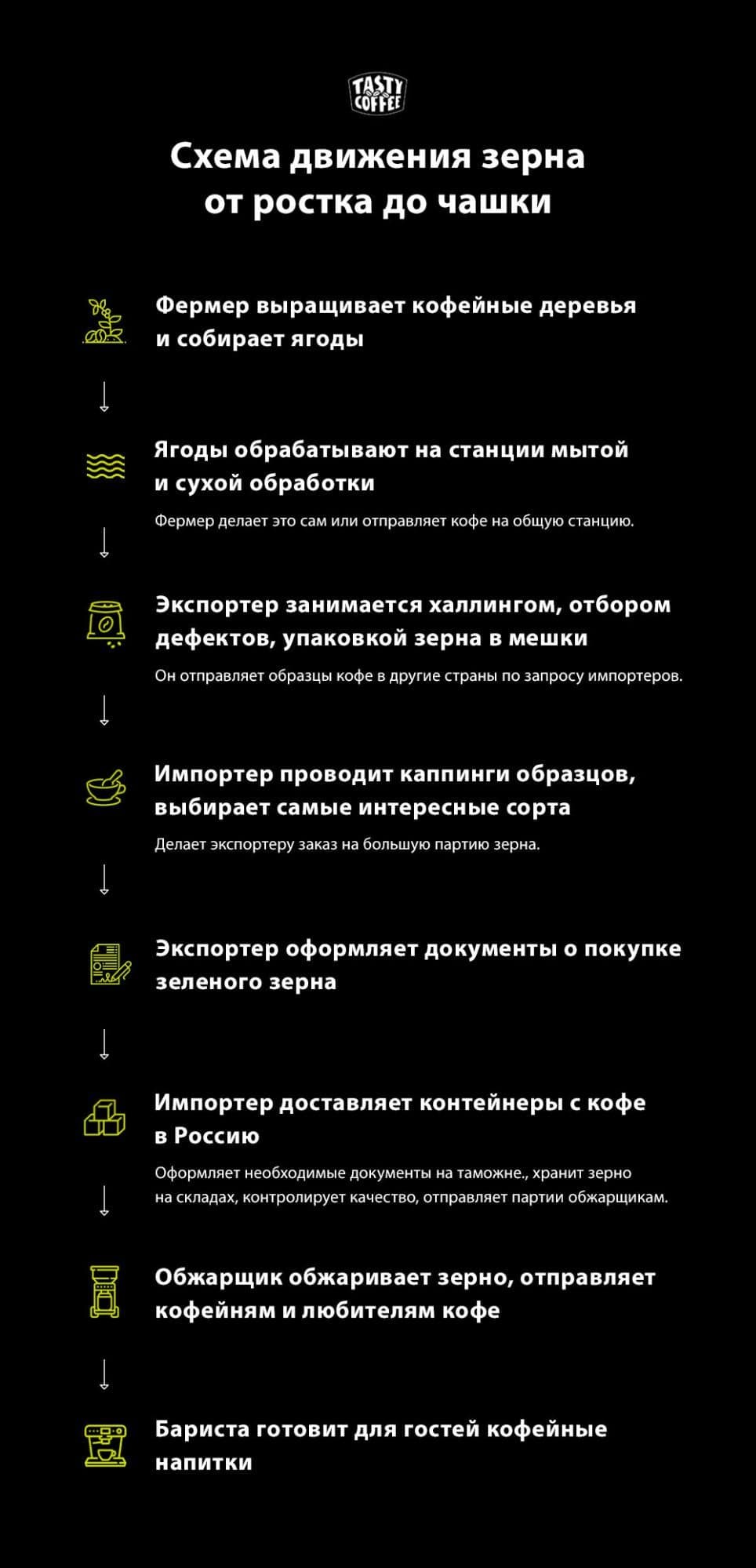
Фермер получает плату за свой труд. Правда, не всегда достойную. Например, мелкие фермеры из Эфиопии получают менее 10 % от конечной стоимости кофе. Часто они живут за чертой бедности.
Чтобы улучшить экономическое положение фермеров, самостоятельно выбирать кофе и точно знать его происхождение, некоторые обжарщики предпочитают работать напрямую. Сторонники прямой торговли утверждают, что такая модель позволяет строить взаимовыгодные и уважительные отношения между производителями, покупателями и потребителями кофе.
Мы спросили экспертов об их отношении к дайрект трейд. Оказалось, прямая торговля — не такая уж идеальная модель.
«Сотрудничество с импортерами избавляет от „головной боли“ обе стороны»
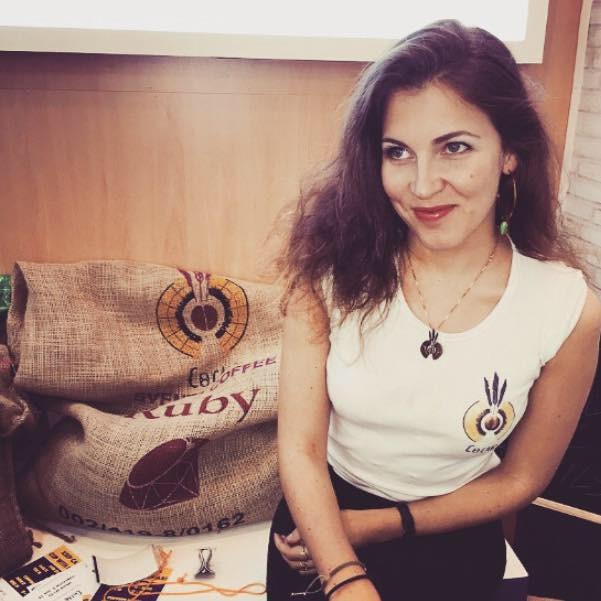
Светлана Гуггенбюль, соосновательница компании-импортера зелёного кофе «Cocar», рассказала, какую роль играют импортеры, и почему прямая торговля не так проста, как кажется:
«Некоторые производители и обжарщики предпочитают работать по схеме дайрект трейд, чтобы „вырезать“ посредника — импортера или экспортера. В этом случае производитель получает большую часть платы за свой кофе, а обжарщик платит более справедливую цену, которую сам согласовал с фермером. Кажется, что схема простая и выгодная для обеих сторон. Но не все так просто, как кажется.
Чтобы продавать зерно через дайрект трейд, производитель должен иметь отдел продаж, самостоятельно искать обжарщиков по всему миру, говорить на английском, немецком или русском языках. Отправлять образцы напрямую. Готовить документы экспорта, импорта, открывать валютные счета и принимать оплату из-за рубежа.
У обжарщика тоже есть свои вопросы и определенные риски: когда платить деньги производителю, а точно ли кофе доедет, будет ли он должного качества.
Если вы работаете из России, то прямую торговлю также усложняет строгая таможня, ввозной НДС и валютный контроль. Можно попробовать, если в компании обжарщика есть опытный логист, валютный счет и профессиональный склад для длительного хранения зерна. Но это довольно сложно.
Возможно, в скором времени дайрект трейд станет доступнее. Однако нужно ли это, когда есть импортеры?
Импортер — это не просто компания, которая перевезла зерно из точки А в точку В. Они выполняют множество функций:
- проводят контроль качества зерна,
- подготавливают пакет документов на импорт,
- оплачивают кофе, пока тот в пути,
- хранят кофе на своих складах,
- работают с жалобами клиентов.
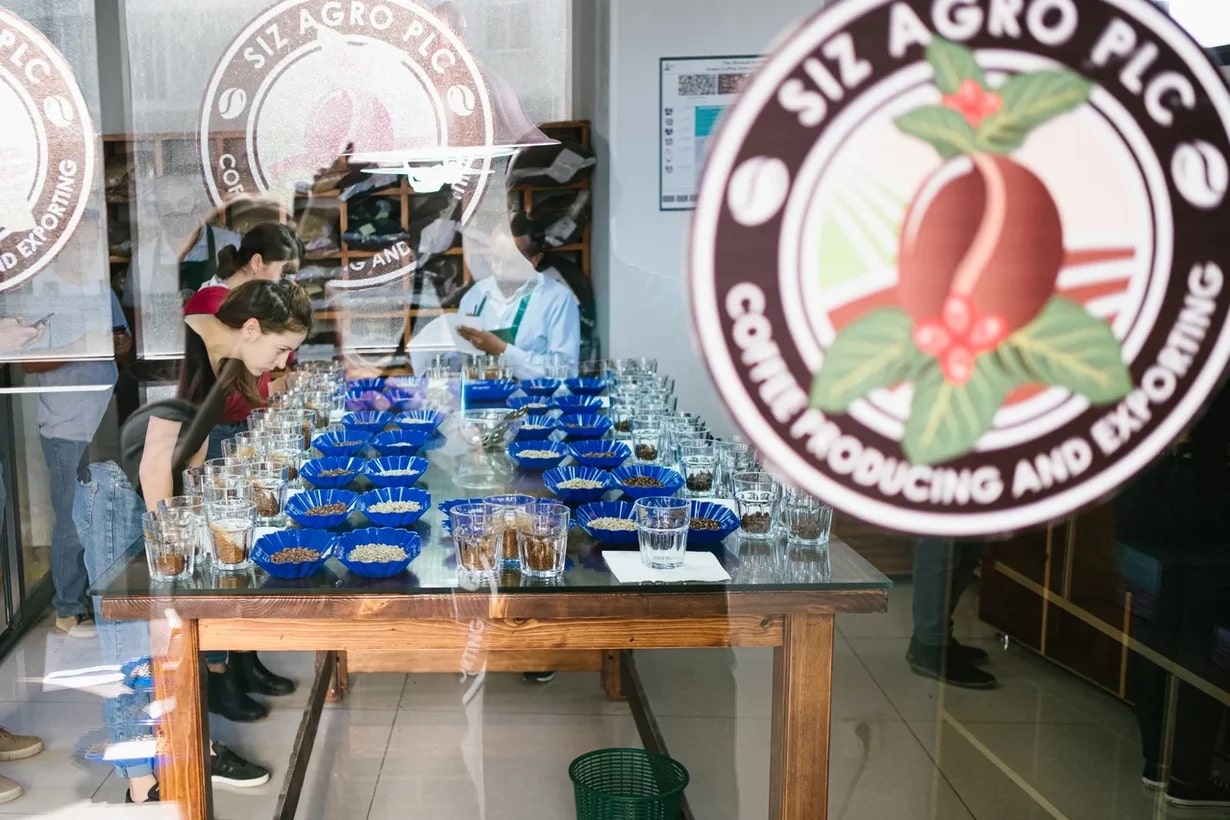
Работа через импортера — это гарантии как для фермера, так и для обжарщика
Импортеры и экспортеры играют огромную роль в финансировании кофе. Иногда они оплачивают работу фермера или даже целый кооператив до того, как кофе был выращен/произведен. А когда фермер сдает кофе на dry mill, выплачивают ему финальный транш. Фермер может дальше заниматься производством, а риски продажи перекладываются на трейдеров.
Кроме того, хорошие импортеры знакомят своих клиентов с производителями. Поэтому обжарщик узнает, как его кофе выращивается, и наладит контакт с фермером. На этой почве они сотрудничают через импортера. Если импортер крупный, обжарщик может получить хорошие предложения, скидки и эксклюзивные способы поставки.
Пандемия показала, что сотрудничество с трейдером выгодно и для производителей. Многие маленькие обжарщики, которые законтрактовали кофе у фермера, не выкупили его: им было некуда продавать обжаренный кофе. Фермеры, работающие напрямую, остались без прибыли.
Если бы фермер был частью корпоратива или экспортной организации, то она помогла бы ему продать этот кофе в другие страны или другим импортерам, которые не так сильно пострадали из-за ограничений пандемии.
Современные импортеры несут ответственность перед производителями. Для серьезных компаний важно, чтобы на фермах, с которыми они сотрудничают, отсутствовал детский труд или рабство. А если дети и женщины работают, то условия труда справедливые. И у детей есть время на посещение школы, которая зачастую построена с помощью экспортера.
Несмотря на выгоду прямой торговли, многие производители и обжарщики выбирают сотрудничество с трейдерами. Это избавляет от „головной боли“ обе стороны: как продать и купить кофе, как доставить и оплатить его.
Импортеры понимают потребности клиентов и заботятся о благополучии фермеров. Поэтому их функции останутся востребованными еще долгое время«.
«Фермер и обжарщик должны идти навстречу друг другу, чтобы работа напрямую была выгодна для обоих»
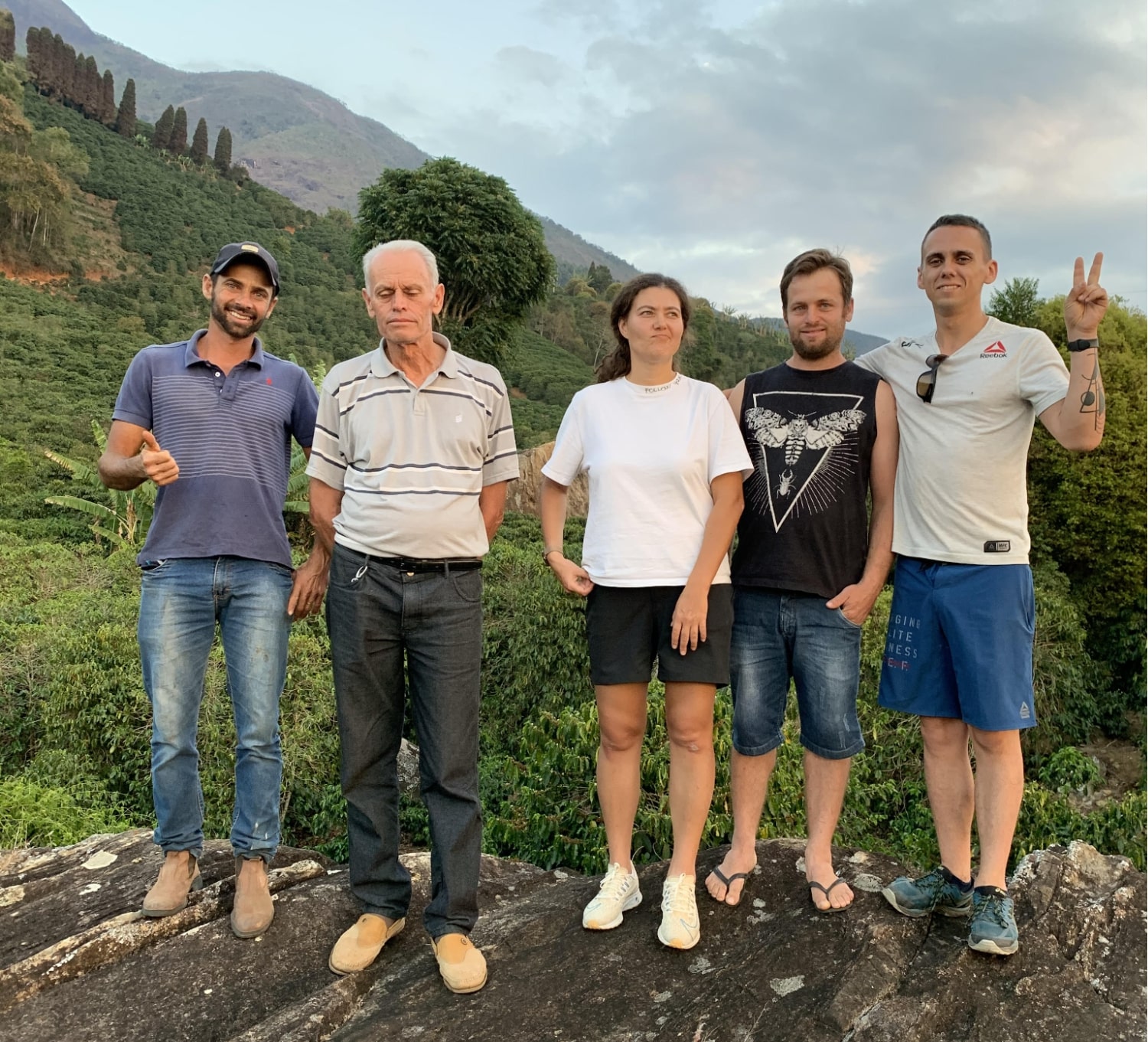
Ольга Мелик-Каракозова, соосновательница компании «Смарт кофе», отвечает за ассортимент кофе и его обжарку. Закупает кофе напрямую у фермеров.
«Дайрект трейд — это в первую очередь про человеческие отношения: обжарщик и фермер должны быть заинтересованы в сотрудничестве и идти на компромисс. Только тогда прямая торговля будет выгодна обеим сторонам.
Наша компания работает напрямую с двумя фермами. В 2018 году на одной из них получился великолепный лот. Мы купили весь по цене $7 за фунт. Фермер был доволен, он хорошо реинвестировал эти средства.
В следующем году наши клиенты тоже ждали этот кофе. Его доставили, но он оказался не великолепным, а просто хорошим. Мы все равно его купили.
А в прошлом году кофе снова получился великолепным. Можно сказать, это один из лучших лотов в Бразилии. Но поскольку у нас тяжелая ситуация, мы прямо сказали фермеру, что не сможем заплатить в этом году $7. Поэтому он снизил для нас цену, и мы купили топовый лот за $5 за фунт — это чуть ниже нашей обычной стоимости.
Каждый год что-то меняется. Фермер и обжарщики должны идти навстречу друг другу, чтобы работа напрямую была выгодна для обоих.
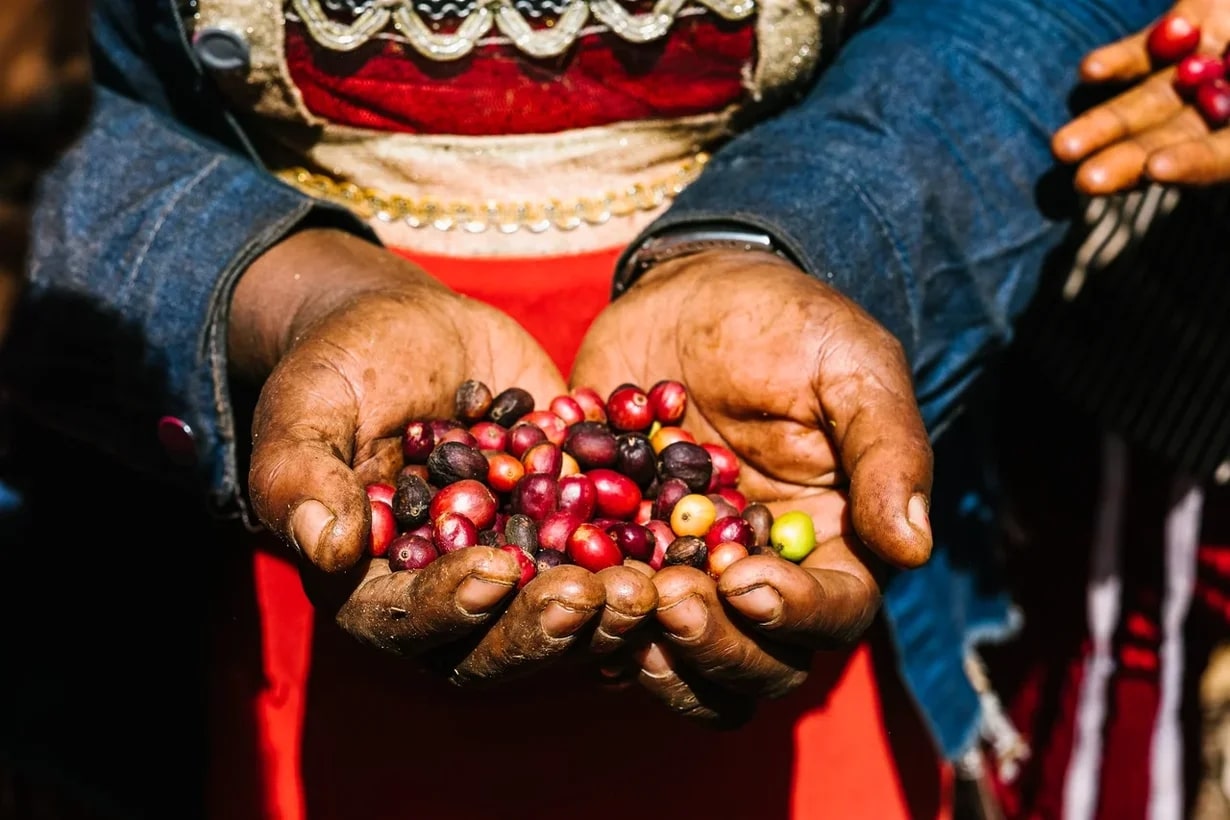
Дайрект трейд — это готовность идти на компромисс
Работая напрямую, обжарщик может выбрать конкретную группу фермеров и покупать у них только определенный кофе. Например, нам нужен яркий лот. Поэтому мы покупаем у этой группы самые яркие лоты. На остальные тоже найдутся свои покупатели.
В то же время дайрект трейд — это определенные риски. Если фермер получил предоплату, ему не станут доплачивать, когда что-то подорожало. Производитель может так и не выйти в плюс.
Сам процесс прямой торговли осложняют законы страны-производителя. Например, в Бразилии никто не запрещает прямую торговлю, но это настолько сложно, что фермерам проще продавать кофе через трейдеров. А производители из Кении только недавно получили право заниматься прямой торговлей, но пока это весьма трудно осуществить.
Чтобы дайрект трейд развивался, процесс должен стать легким, прозрачным: покупатель знает чего хочет, фермер знает, что продает, есть площадка для торговли и криптовалюта для оплаты. Наверное, со временем должны появиться базы данных, где можно продажу верифицировать. От этого выиграли бы все. Кроме бюрократов, которые сейчас сидят на каждом этапе».
Главное
Производители и обжарщики сами выбирают, как продавать и покупать кофе. Некоторые выбирают дайрект трейд, чтобы сотрудничать с фермером напрямую, знать, как и в каких условиях производится кофе. А для кого-то удобнее пользоваться услугами экспортеров и импортеров. Это значительно облегчает доставку кофе в страну-потребителя.
Для современных покупателей и трейдеров важно, в каких условиях производится кофе. Поэтому в любой модели торговли участники стремятся повысить прозрачность процесса. Если торговля будет прозрачной, выиграет каждый участник цепочки: производитель, продавец, обжарщик и потребитель.
For Direct Trade To Work, What Do You Need?
For it to work, the gaps outlined above need to be addressed. However, beyond that, Connie says there are a few “non-negotiables” that need to be present if the direct trade model is to operate effectively.
Skills like how to send an email, organise pre-financing, and review a contract had to be relearned by the new leadership. “It took a couple of years to get back on track,” Connie explains.
Beyond these key skills, the ability to communicate about the product being traded is also essential. However, this generally requires a deep understanding of coffee quality, production, processing methods, and certification schemes, which are not always a given for many smaller roasters and producers.
For the buyer, there are a further range of similarly important skills which need to be in place. Systems for importing logistics, certifications, and a group on the ground for export logistics like trucking, milling, and storing are also a must. There also needs to be at least one single person allocated to handling logistics, quality control, pre-financing, invoicing, insurance, and communication, according to Connie.
“It takes a dedicated crew,” she says. “What roaster wouldn’t want to get on a plane and fly to East Africa and walk through a coffee farm? It’s a great experience for those who have the network and resources to make it work, but to get the coffee from the farm to the roaster is something quite different.”

The Importance of Trust
No trade model is perfect and direct trade can have its dark side. It’s up to the people involved in the partnership to work to ensure the best possible relationship – for everyone. And perhaps most important of all for a strong relationship is trust. In the absence of this, your partnership will crumble.
“The trust level is very important. With trust, you will have healthier transactions between a producer and a buyer,” says Jon.
But direct trade isn’t just about the producer and the buyer. It’s also about the consumer. As Fernando Pocasangre, a specialty coffee consumer from El Salvador, tells me, “I think that buying ‘direct trade’ coffee makes you think what happens to those beans before they arrive in your cup. I would definitely pay a higher price for a coffee if I knew that the extra pay would impact positively the parts involved.”
Direct trade forms a key part of third wave coffee marketing, but is this a good thing?

Direct trade coffee from El Roble, Huila, Colombia. Credit: Right Side Coffee
Obsolete Or Indispensable?
Over the years, coffee traders have come under criticism for their role in the supply chain, which some have come to view as unnecessary. Direct trade came about as a response to that: an idea that the middleman could be removed to improve profit and relationships for everyone else.
But perceptions – and roles – are changing. Blanca Castro is a Chapter Manager at the International Women’s Coffee Alliance (IWCA). She says: “Exporters and importers understood that with better quality comes a better price, and now so do the producers.”
In theory, direct trade allows a dialogue that enables producers to understand and improve the quality of their product – and ultimately get a better price. However, buyers and producers both need the knowledge and communication skills required to have a highly technical conversation about coffee. That’s where the traders come in.
Intermediaries also have the skills, network, and capacity for risk which may not be available to producers or buyers. Blanca asks: “Without the middleman, who will take cherries from a producer in Huehuetenango in the highlands of Western Guatemala?”
Connie says that during Covid-19, this became especially pertinent. “When coffee shops shut down in March here in the US, it was right as the new crop was getting ready to come in.
“The shutdown caused a month-long pause in the US supply chain, and the coffee had nowhere to go. Thankfully, because we are diversified, we could shift it to other places where shops were still open, and our roaster clients also adjusted by selling more online, but there was still lag time.
Ricardo says that transparency and good relationships are the truly transformative elements of the direct trade model, rather than eliminating intermediaries.
Each supply chain actor has its own strengths and weaknesses. Producers know the land and the process of growing coffee. Roasters excel at adding value and unlocking the quality within green coffee. Traders are experts at managing risk, planning logistics, communication, and bringing a network of buyers. Ultimately, each actor brings a unique set of skills to the table.

The Potential Benefits of Direct Trade
Even though “direct trade” is hard to define, it remains a key part of the third wave coffee industry – and this is because it has many positive aspects. As Garrett says, “the benefit of direct trade is multifaceted, if executed properly.”
Here are some of the ones my interviewees mentioned:
In the case of the producers, he continues, “you have a customer that is willing to purchase your product. You also have ‘ears on the ground’ with the trends that are happening in the specialty coffee scene overseas, and the financial backing to implement different processing methods.”
Trust that someone will buy the coffee can give producers the security to invest in improved infrastructure and processes – and greater insight into current market trends can indicate the most profitable areas to focus on.
A stronger relationship helps buyers and producers to communicate better, problem-solve, suggest quality improvements, and better understand the costs of production and exporting.
Patrick believes direct trade can allow both parties to become more invested in the trade, “I believe that a ‘direct trade’ model involving compatible business partners gives producers a higher sense of purpose,” he says. “If we, as producers, have a commitment to produce “x” amount of coffee of “x” quality for a certain roaster in a certain market, there is an implicit incentive of doing things better to fulfill that commitment and, having done so, achieve better remuneration.”
Melanie, based on her experience in the green bean buying trade, agrees. “It has a huge impact. It gives a sense of empowerment to producers. When the producer’s neighbors see the success of it, they want to be part of it.”
She explains, “We have been working for quite a while in the Santa Barbara region in Honduras. We have built a great relationship with a producer there and the farming neighbors got in contact with us so we could work together. We have developed a great working relationship which has a huge impact on the producers and their families”
“Direct trade undoubtedly allows for a cycle of good where the income generated can be reinvested, not only in optimizing an efficient production model but also on improving the quality of life of all involved in the supply chain.”
With both parties able to emotionally invest in the product, they are also inclined to invest their time, effort, and expertise to both produce better coffee and better socioeconomic conditions.
Third wave coffee culture is all about understanding a coffee’s origin and its impact on the cup – and direct trade makes it even easier for consumers to hear producers’ words and know about their hard work.
What’s more, Patrick argues that it supports both the roasters and the farmers. “Traceability allows buyers to get exactly what they want from specific producers and producers are able to focus on ‘tailored’ productions for specific buyers year to year, knowing what their counterparts expect in terms of quantities and quality,” he says.
SEE ALSO: A Coffee Buyer’s Glossary of Contract Terms

A direct trade coffee, sourced by Jon and the Onyx Coffee Lab team from Finca Rosa, El Salvador. Credit: Onyx Coffee Lab
A High-Maintenance & Often High-Risk Business
Direct trade requires both producers and buyers to have access to certain skills and resources in order to function effectively. Without these, the transaction can easily go haywire and both sides will be left exposed and vulnerable.
Additionally, because the direct trade model is far from the status quo of coffee trading, it subsequently lacks pre-existing regulations and frameworks to protect the parties involved.
The Risks
Many issues can arise when two small businesses take part in unregulated trade. Some of the key risks associated with direct trade include:
Contract & Payment Issues
With less regulation and a lack of standardised contracts, the risk of default on both sides is high. This means the producer can end up unpaid, and the buyer can end up without a product.
Unreliable Delivery Or Quality
The coffee itself may fall short of expectations and without regulations, there is no safety net. This means both producer and buyer can be put at financial risk.
Unmanageable Bureaucracy & Logistics
With fewer parties involved, the responsibility of managing demanding paperwork and complicated logistics is left to be covered by each of the two actors. It is often the case that one or both will lack the skills or resources to handle this extra workload.
Less Formality
The focus on relationships can sometimes lead to informal practices and a lack of rules, organisation, and accountability. It also means that if management changes, handover becomes more difficult.
Reduced Flexibility
Generally, the smaller scale of direct trade usually means that the size of operations (and therefore the resources and financial liquidity) are more restricted. This means that both producer and buyer have less capacity to absorb risk if something should go wrong.

The Gaps
Direct trade requires time and effort. However, for many, the skills, resources, and information required mean the return on investment is sometimes not worth it.
Size Of Operation
In direct trade models, if the production capacity is low, there may be low product diversity, as is the case with many small producer groups. This increases risk dramatically for the producer and the roaster.
“It can be a fragile position,” Connie says. “More production venues and more buyers make both sides of the equation stronger if either the roaster or the producer cannot fulfil their commitment.”
Activities are also rarely scalable, and low buying or selling capacity may simply end up not being worthwhile for either side. Furthermore, buying small quantities from origin is generally more expensive and shipping costs alone can eat into the profits.
Financial Literacy
“Small producer groups are made up of many individual farmers who may or may not have the resources to advocate for themselves,” Connie says. “A lack of knowledge about the coffee market, for instance, can be a serious obstacle for negotiations unless the organisation has someone in place with those skill sets.”
An understanding of other topics, such as supply chain operations, financing, pre-financing, risk, and liquidity (all crucial to trading any commodity) are even less accessible to many producers and roasters who operate at a smaller scale.
Communication
Producers are often at the mercy of a “digital divide”. Unreliable internet access and bad mobile phone reception can make communication very difficult.
Language and cultural barriers are also common obstacles for both sides and can be a major source of problems.
Market Network
“It is very difficult for a single small-scale coffee farmer in a remote community in Peru to reach out and find business directly with a small-scale roaster in say, Seattle, without some assistance,” Connie explains.
Smallholder farmers often lack a network in the coffee market and the tools to improve it, which often include the use of social media and the internet more widely.
There are similar difficulties for roasters, too. Building a global network of producers that are trustworthy and offer quality, certifications, and prices in line with their expectations is no easy feat.
The Challenges of Direct Trade
Does it seems like direct trade is full of benefits? Well, yes, it can be. But in fact, there are also many issues that come with this trade model.
“I had the chance to attend the Micro Coffee Festival in Brazil this past month,” Garrett tells me. “And I heard a story from a producer that perfectly sums up direct trade issues. An American roaster approached this coffee producer, and asked if she could produce a lot of coffee for him.
“This leaves the producer in a spot where they now have to find a new buyer for a lot that was previously committed to. Direct trade is a bombastic undertaking, that if handled wrong, can put producers at major risk.”

Coffee ready to be shipped. Credit:
Not only can contracts fail, but the coffee itself may fall short of expectations.
“Our most current debacle,” Jon tells me, “is with a $7/pound coffee we still have in shelter here because of how bad the coffee quality is.”
So if there’s a quality issue, who takes the harder hit: the coffee producer or the coffee buyer? It all depends on what went wrong and who the partners are in the direct trade relationship. Remember, there are no industry-wide rules or bodies regulating direct trade: it’s up to the producer and buyer to negotiate terms.
“The major issue with direct trade for the roaster is that you’re at risk if the product you’re committing to buy doesn’t turn out how you want it to,” Garrett says. “If there is a slip in quality, or an experiment doesn’t turn out how you want it to, you could be at financial risk. This is why we would suggest to not get into a direct trade relationship if you do not have the financial resources to back up your commitment.”
As Melanie says, “coffee is an agricultural product. It’s risky to work with it.” And in addition to plant illness and poor weather, Patrick brings up the risk of political instability leading to production issues.
Being aware of the risks and ensuring that you can handle them is key for a successful direct trade sale or purchase.

Ripe coffee cherries are loaded into a fermentation tank for wet processing. Credit:
While there are fewer partners involved, that means each partner has to do more of the logistics – and this can involve a lot of bureaucracy. Melanie tells me, “There are issues all the time, bureaucracy and paperwork always affect it. In our case, we have to hire logistics experts.”

Coffee cherries ready to be picked. Credit:
Что получит заказчик?
***
Самые интересные новости читайте в нашей группе в VKontakte, а также на канале Яндекс.Дзен.
Больше новостей и возможность поделиться своим мнением в комментариях на нашем канале в Telegram.
И подписывайтесь на итоговую рассылку самых важных новостей.
Как работает Direct Trade?
Direct Trade собирает информацию о доступном ассортименте от поставщиков и на основании мониторинга продаж и остатков помогает формировать рекомендации для пополнения продукции. Словом, адаптируется под заказчика.
Что особенно актуально, Direct Trade использует защищенное хранилище данных.
Could A Hybrid Model Work For Everyone?
Both Connie and Blanca insist that the relationship and dialogue that characterise direct trade are crucial to trading coffee. They offer a valuable education at both ends of the supply chain that enables better trade and better coffee.
If traders are necessary, then they need to target the same level of traceability and transparency in negotiation – pointing to the potential for a hybrid model.
Blanca says that today, modern roasters prefer to meet the producers, monitor their situation, and understand the origin. Even though they still need intermediaries to handle the logistics of it all, she says for her, it is still a form of direct trade.
“To me, an important part of Cafe Femenino’s sourcing model is relationship and transparency,” Connie adds. “That’s why many people like the idea of direct trade, but we have always offered that level of participation with producers for our roaster clients.” She explains that a hybrid direct trade relationship connects roasters to farms without asking roasters to take on the risk of importing themselves.

While the idea behind direct trade started with eliminating intermediaries, today, the focus is starting to shift towards a focus on good dialogue and high transparency. Education is an incredibly important topic in the coffee sector, and by focusing more on the way coffee is traded and less on how long or short the chain is, everyone can benefit.
Blanca finally says that today, direct trade isn’t about cutting out the middleman, but instead, putting supply chain actors in the spotlight and putting the right value on that service, without exploitation. She says it’s about aligning mentalities and increasing transparency to improve sustainability. If we can do that, surely everyone can benefit – producer, trader, roaster, and consumer.
Enjoyed this? You might also like Addressing Colonial Inequalities In The Coffee Sector
Photo credits: Sarah Charles, SupraCafe, Oscar Jimenez
Perfect Daily Grind
Final Advice for Roasters & Producers
The last thing I wanted to ask my interviewees was if they had any final advice for producers or roasters.
Melanie underscored the importance of research. “It is really important to do research on both sides,” she says.

Coffee from Chiapas. Credit:
However, they all come down to one thing – closer relationships between the producer and buyer (and, through them, the consumer).
It’s not a perfect system. Done poorly, it can harm producer and buyer alike. But done well, with collaboration, good communication, and transparency, it can have a positive impact. It’s up to us to make the difference. Ask questions, be mindful, investigate the risks – and be prepared to invest more than just money in this relationship.