
- Вьетнамский кофе: мощный и ароматный
- Освежающий вьетнамский кофе: сладкий и кремовый
- Культура кофе во Вьетнаме
- Вьетнамский кофе в стиле блюда
- Вьетнамский ледяной кофе
- Описание
- Виды вьетнамского кофе
- Описание
- Кокосовый кофе
- Salt Coffee
- Smoothie Coffee
- Yoghurt Coffee
- Want to know where to Find The best coffee in Vietnam?
- Best Coffee In Vietnam: Quick Facts
- History of Coffee in Vietnam
- The Different Types of Coffee In Vietnam
- 1. Trung Nguyen Vietnamese Coffee
- 2. Vinacafé Instant Coffee Mix
- 3. Saigon Phin Daklak
- 4. G7 3-in-1 Instant Premium Vietnamese Coffee
- 5. Chestbrew Whole Bean Coffee
- 6. Truegrit Peaberry Robusta
- 7. Len’s Coffee Vietnamese Coffee Kit
- 8. King Coffee Premium Instant Coffee 3-in-1
- 9. Copper Cow Coffee Premium Vietnamese Coffee
- Best Vietnamese Coffee Recipe
- What You Need To Make Vietnamese Drip Coffee
- How To Make Vietnamese-Style Coffee
- Where To Buy Coffee In Vietnam: Best Coffee Shops
- 1. Cafe Dinh – Hanoi
- 2. The Workshop – Ho Chi Minh City
- 3. Loading T – Hanoi
- 4. XLIII Coffee – Da Nang
- 5. The Note Coffee – Hanoi
- FAQ: Vietnamese Coffee
- What’s Unique About Vietnamese Coffee?
- Which Region In Vietnam Has The Best Coffee?
- Is Vietnamese Coffee High Quality?
- What Coffee Is Vietnam Known For?
- Wrapping Up: Best Coffee In Vietnam
- Drink coffee like a local in Vietnam
- How to make Vietnamese coffee
- Hot vs iced Vietnamese coffee
- Different types of coffee in Vietnam
- Coffee with milk (ca phe nau or ca phe sua)
- Yoghurt coffee (sua chua ca phe)
- Egg coffee (ca phe trung)
- Coconut coffee (ca phe cot dua)
- Coffee smoothie (sinh to ca phe)
- Vietnamese Coffee
- For egg coffee
- To make egg coffee
- What is Vietnamese coffee?
- Sweetened condensed milk
- Where to drink the best Vietnamese coffee
- For the experience: Trieu Viet Vuong
- For dessert: Cafe Giang
- For the view: Cafe Pho Co
- For a blast from the past: Cafe La Tamia
- The secrets of Vietnamese coffee
- What does Vietnamese coffee taste like?
- What to serve
- Where to buy already brewed Vietnamese coffee
- Starbucks Vietnamese iced coffee hack
- Frequently Asked Questions
- How to make egg coffee
- Vietnamese coffee ingredients & equipment
- Coffee Phin
- Coffee beans
- Cheater’s Vietnamese Iced Coffee
- Egg Coffee
- Vietnamese coffee chains
Вьетнамский кофе: мощный и ароматный
Сильный и ароматный вьетнамский кофе завоевывает сердца так же быстро, как он повышает пульс. Французские колонизаторы могли и внести кофе во Вьетнам, но утренняя чашка ca phe вскоре стала местной привычкой. С различными вариациями, которые используют йогурт, яйца и даже фрукты, вьетнамский кофе развил свой собственный стиль.
Освежающий вьетнамский кофе: сладкий и кремовый
Ничто не бодрит и не дает так много энергии, как ледяной вьетнамский кофе. Сладкий и кремовый, с огромной энергетикой интенсивного кофейного вкуса. Это удар кофеина, который я хочу каждый день, весь день.
Культура кофе во Вьетнаме
После Бразилии, Вьетнам является крупнейшим производителем кофе в мире, и неудивительно, что культура вьетнамского кофе прочна. Кафе линия улиц, и утром, днем и ночью вы будете видеть людей, пьющих кофе. Это просто образ жизни. После фо и баньми я думаю, что вьетнамский кофе может быть самым известным вьетнамским кулинарным экспортом.
Вьетнамский кофе в стиле блюда
- Фабрикант, Флоранс (2021-02-08). Готов к питью вьетнамский мороженый кофе. The New York Times. ISSN 0362-4331. Retrieved .
- Лучшие виды вьетнамского кофе, которые туристам нужно попробовать в Ханое. www.lasinfoniadelreyhotel.com. Retrieved .
- История кофе – Хошимин, Вьетнам. Atexpats.
- Кафе суа да – Хошимин, Вьетнам. Atexpats.
- Мировые экспортеры кофе. Исследования по Западной Африке: Региональный атлас по Западной Африке. 2009-07-15. doi:10.1787/9789264056763-graph30-en. Retrieved .
- До, Трейси (2020-11-28). Топ-9 кофеен во Вьетнаме – Экскурсии на скутере по Сайгону. Retrieved .
Вьетнамский ледяной кофе
Вьетнамский ледяной кофе (вьетнамский: cà phê đá, букв. ледяной кофе) – традиционный вьетнамский рецепт кофе. Он создается с использованием кофе, обжаренного между средним и темным. Напиток делается, пропуская горячую воду через молотый кофе в чашку с сгущенным молоком. Чтобы подавать напиток холодным, в чашку добавляют лед.
Cà phê đá
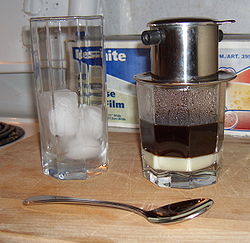 Готов к переворачиванию и залитию над льдом кофе с молоком Готов к переворачиванию и залитию над льдом кофе с молоком | __ |
|---|---|
| Альтернативные названия | Вьетнамский ледяной кофе, кафе да |
| Вид | Напиток |
Описание
- Место происхождения: Вьетнам
- Регион: Юго-Восточная Азия
- Температура подачи: Горячее или холодное
- Основные ингредиенты: Темный кофе, вода, сгущенное молоко

Виды вьетнамского кофе
- Cà phê sữa nóng, горячий вариант
- Черный кофе (горячий или холодный) – Cà phê đen
- Белый кофе/кофе в стиле Сайгона – бậc xỉu: Горячее или холодное молоко с добавленным кофе, похожее на маккиато. Популярно в Сайгоне.
- Кофе с панданом – Cà phê lá dứa: Готовится с кофе, пастой пандана и медом.
- Кокосовый кофе – Cà phê dừa: Готовится с кофе, кокосовым молоком и сгущенным молоком.
- Смешанный кофе/кофейный коктейль – Sinh tố cà phê
- Яичный кофе – Cà phê trứng: Готовится из заваренного кофе, желтка куриного яйца и сгущенного молока. Имеет схожий вкус и текстуру с тирамису и гогногом. Популярен в Ханое.
- Кофе со сливочным маслом – Cà phê kem mặn: вариация из Хуэ.
- Авокадо кофе – Cà phê bơ: молотый кофе, авокадо, сгущенное молоко и ванильный порошок
Описание
Вы не должны далеко идти, чтобы выпить кофе во Вьетнаме. От до восхода солнца и даже далеко за его пределы, вы найдете местных жителей, попивающих ca phe sua da. Обычно его подают крепким и сладким, и его можно найти почти на каждом углу у придорожных прилавков, в современных открытых кафе и в труднодоступных местах, скрытых в неназванных переулках.
Культура кофе во Вьетнаме отличается от других стран мира. Напиток был введен французами в 19 веке. Хотя этот влияние до сих пор видно сегодня, особенно в наиболее распространенном способе приготовления, называемом фин, или фильтр, однократным методом капельной варки – Вьетнам быстро проложил свой собственный творческий и уникальный путь.
Самый известный вьетнамский кофе – молочный и молоко сгущенное, но его также можно получить с добавлением йогурта, кокосового крема или кокосового молока, смешанным в коктейль с тропическим фруктом или смешанным с пастой пандана и медом.
В зависимости от того, где вы находитесь в стране, существуют нюансы: жители севера обычно предпочитают короткое, плотное кофе, в то время как на юге ожидайте, что он прибудет в высоком стакане со льдом. Bac xiu – это сладкая, короткая молочная версия, популярная в Сайгоне, а в Хюэ вы можете попробовать кофе с солью на основе заквашенного молока.
У нас много кофеен, – говорит лидер Intrepid Ту Ву. И мы пьем кофе крепким. Большинство кофе, который мы пьем во Вьетнаме, – это робуста, которая очень крепкая.
Даже если вы никогда не путешествовали во Вьетнам, вы, вероятно, пересекались с вьетнамскими кофейными зернами. Страна является вторым по величине экспортером кофе в мире, уступая лишь Бразилии, причем большинство зерен выращивается в регионе Да Лат в Центральных высокогорья.
Мы пьем кофе крепким.
Зерна робусты определяются своей интенсивностью, которая придает небольшую горечь и поэтому многие вьетнамцы считают, что сахар обязателен. Если вы не специально попросите черный кофе без сахара – ca phe den (горячий) или ca phe da (со льдом) – он будет добавлен в виде сгущенного молока, ложки сахара или чего-то другого.
Он работал баристой в первом пятизвездочном отеле в Ханое, – говорит внучка Ван Гьянг, Ан. Они предлагали несколько иностранных напитков, таких как капуччино. В то время во Вьетнаме шла война, и у нас не было свежего молока. Он подумал: О, мы можем сделать что-то похожее.
Большинство семей в районе содержали кур, поэтому Ван Гьянг решил использовать желтки яиц. Он соединил их с немного сахара, взбивая, пока смесь не стала пышной и кремовой, затем добавил кофе. Результат сладкий и пышный с ударом, немного похож на эгг-ног или жидкий тирамису.
Кафе Гианг дважды переезжало с момента основания, но основной рецепт остался практически прежним: робуста кофе, сгущенное молоко и желток яйца смешиваются с немного масла и коровьим молочным сыром, подаются горячими или со льдом. Теперь в магазине продают до 1000 яичных кофей в день, включая версии с матча, корицей, машей, ромом и пивом. Варианты напитка Ван Гьянга можно найти в кофейнях по всему городу.
Я верю, что мой дедушка был бы горд собой и тем, что сделал, – говорит Ан. Из той маленькой кофейни это стал очень популярный напиток в Ханое.
Вьетнамский кофе – это искусство насыщения кофеина, и его наслаждаются различными обаятельными способами по всей стране. Найдите свой идеальный напиток с помощью этого руководства по 10 различным видам кофе, подаваемым во Вьетнаме.
Кокосовый кофе
Кокосовый кофе
Iced White Coffee, or Bac Xiu, is the Iced Latte of Vietnamese coffees. Topped up with a generous amount of condensed and or fresh milk, this dairy-forward coffee is appealingly sweet and milky, for those with a taste for this kind of ratio of coffee to milk.
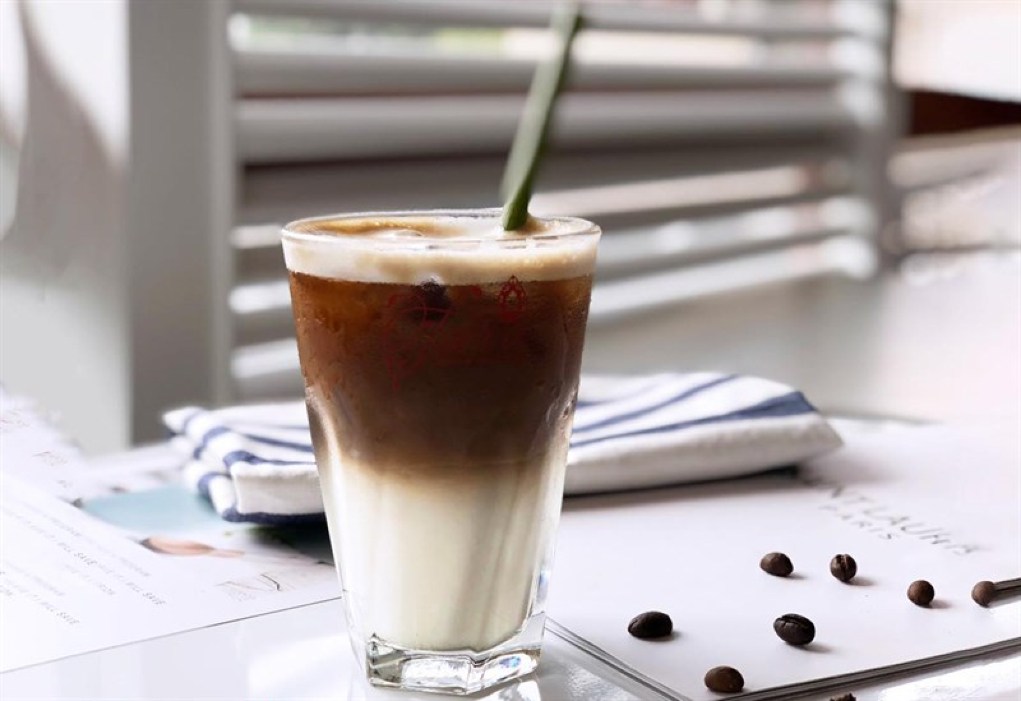
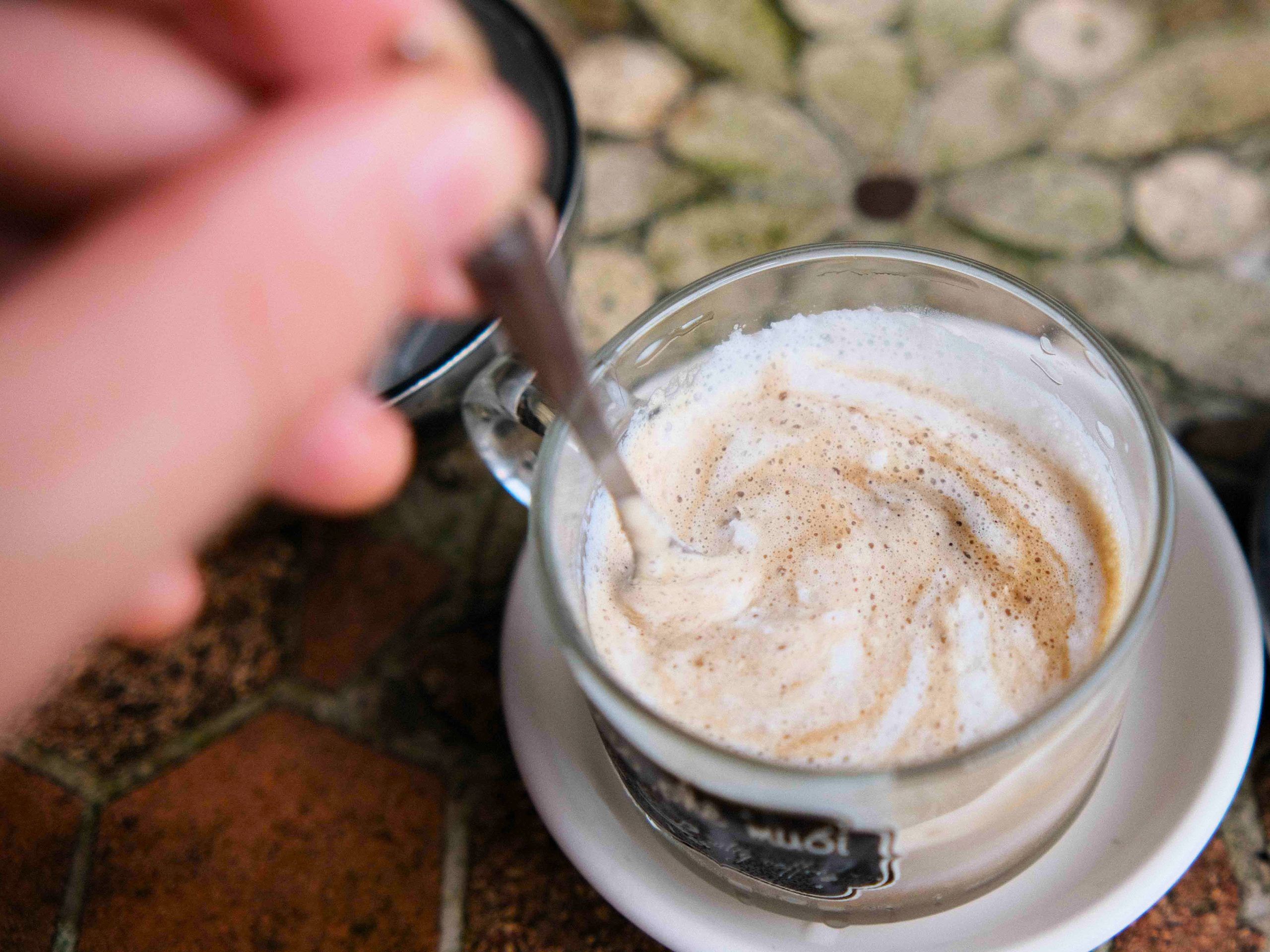
Salt Coffee
Currently all the rage, Salt Coffee or Ca Phe Muoi originates in Hue, and is made using drip coffee, atop a layer of salted cream. The delectable combination of sweetened cream, salt and ground Vietnamese coffee give the drink a warm salted caramel or fudge-like flavour, that is more rounded and mellow in bitterness than traditional coffee.
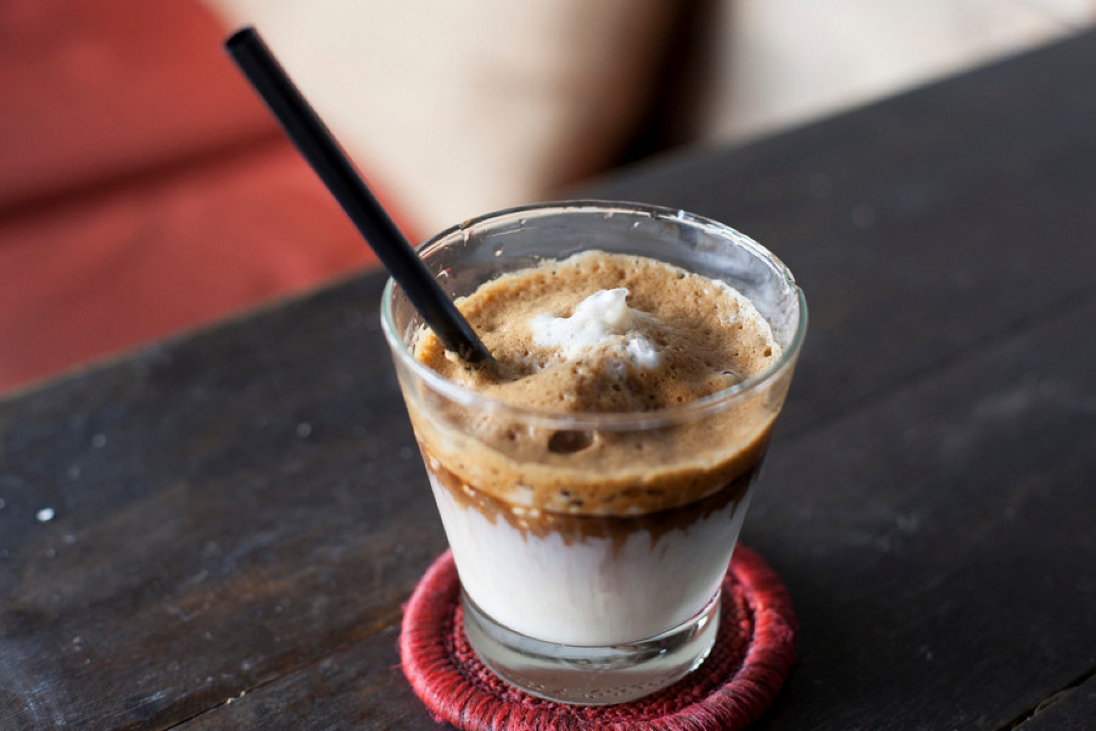
Smoothie Coffee
For a drink that truly quenches your thirst under the strong heat, Smoothie Coffees, or Ca Phe Da Xay are ice filled blended beverages of coffee and condensed milk, and are basically coffee milkshakes. Interestingly, it is sometimes blended with avocado to produce a more rich and creamy texture.
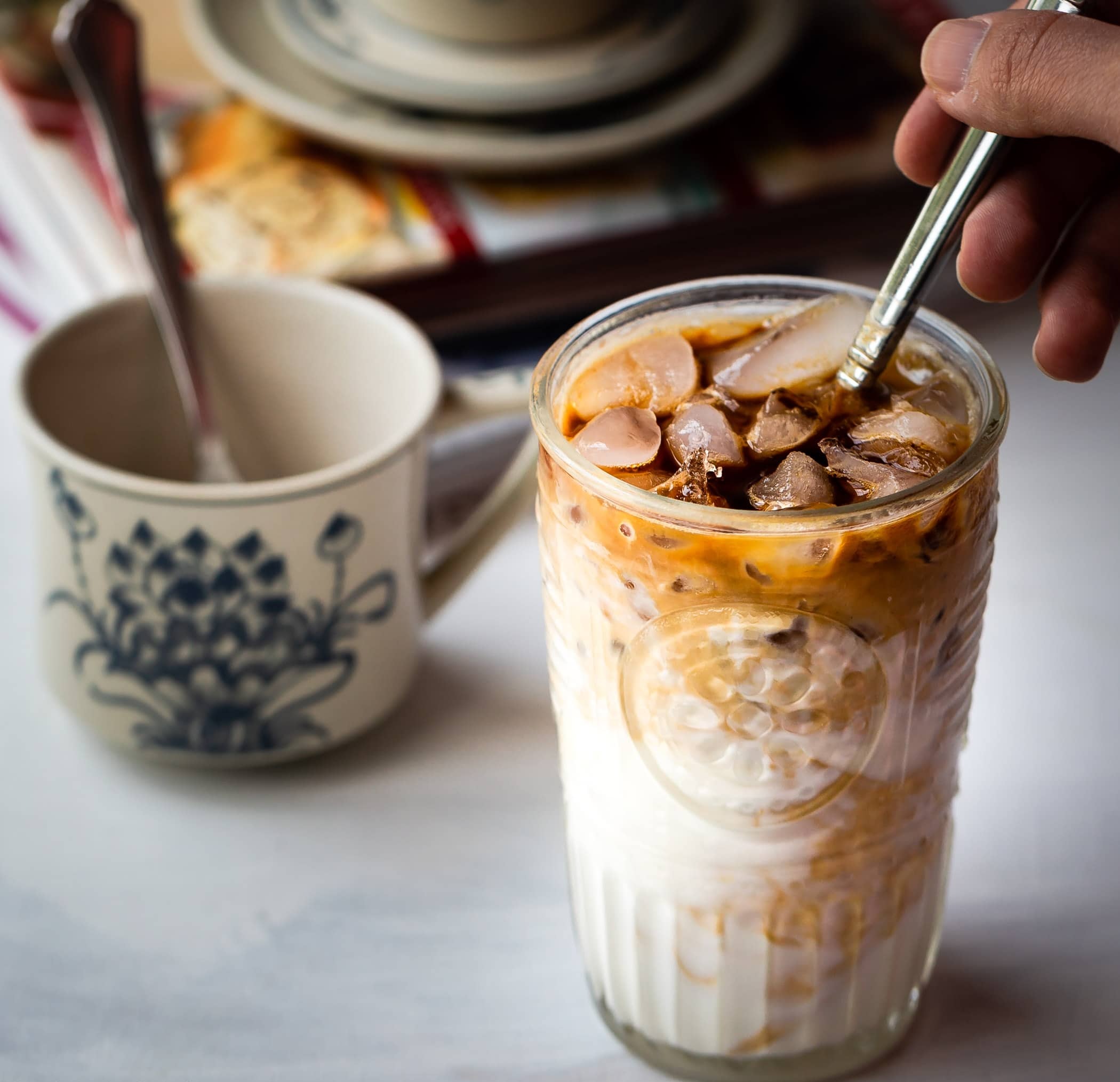
Yoghurt Coffee
Finally, last on our list, Yoghurt Coffee, or Ca Phe Sua Chua is an innovative concoction of chilled black coffee, ice and plain yoghurt. The resulting beverage is the perfect combination of sweetness and tartness, with a strong aroma and intensity from the coffee. There’s a first time for everything, so why not try this drink?


Want to know where to Find The best coffee in Vietnam?
The coffee from Vietnam is usually quite strong and always delicious. The growing coffee culture in Vietnam means more and more coffee enthusiasts are slowly taking notice and wanting to know about coffee from this Southeast Asian country.
Vietnam may not be the first country you think of when you mention the word ‘coffee’. People normally associate quality coffee with countries such as Brazil, Colombia or Costa Rica.
So you may be surprised to learn that Vietnam is the second-largest producer of coffee in the world! Sitting just behind Brazil when it comes to coffee production, Vietnam also accounts for 40% of the world’s Robusta beans!
I will introduce you to some of the best Vietnamese coffee brands, and some of the best coffee shops and answer some FAQs. So grab a quick brew and read on!
Best Coffee In Vietnam: Quick Facts
I know some of you may already be desperate for your coffee fix so I’ve listed the vital information on the best coffee in Vietnam below.
If you’re itching for that Vietnamese caffeine fix, I guarantee you won’t be disappointed with these recommendations. However, you can always read on as I have plenty more info on all things coffee.
⭐️ Biggest Coffee Brand in Vietnam – Trung Nguyen Vietnamese Coffee
The most popular coffee in the country by far. Ready-ground and affordable.
⭐️ Best Instant Coffee In Vietnam – G7 by Trung Nguyen
Convenient sachets packed with flavour. Good for travelling or the workplace.
⭐️ Best Vietnamese Coffee in Ho Chi Minh – The Workshop
Modern and trendy. Serves speciality coffees like V60.
⭐️ Best Vietnamese Coffee in Hanoi – Cafe Dinh
Historic and traditional. Amazing egg coffee!
History of Coffee in Vietnam
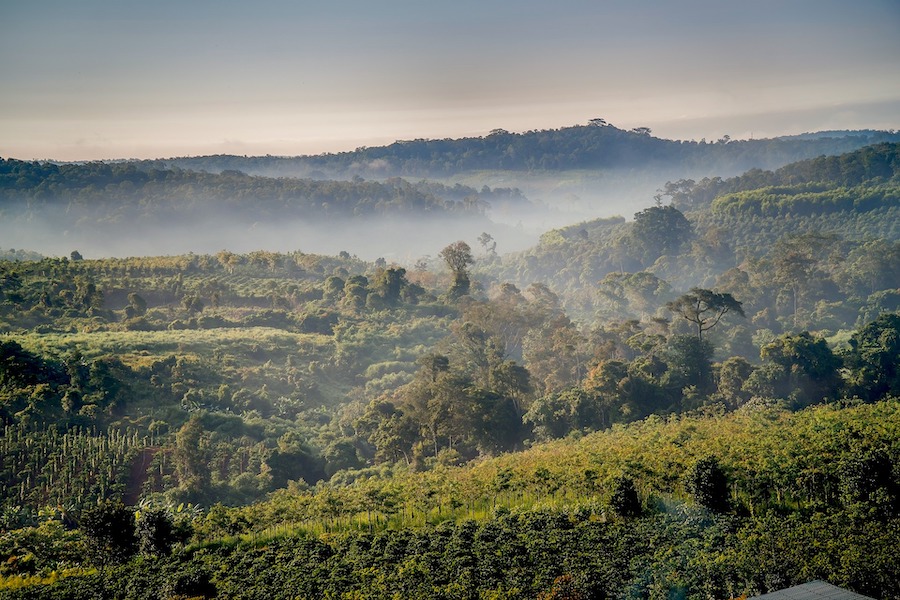
Vietnam was mainly known as a tea-drinking nation until the French missionaries introduced the first coffee plant in 1857.
Coffee production was originally to generate income and in 1888, the first plantations produced mainly Arabica beans in Ninh Bình and Quảng Bình.
As the coffee industry Continued to flourish, the French set up more plantations in central Vietnam and were producing 2000 tons of coffee annually by 1940.
Although the coffee industry thrived for a number of years, the Vietnam War brought production to a grinding halt and agriculture was collectivized, limiting private enterprise.
in 1986, the Đổi Mới reforms allowed privately owned enterprises to resume production and the surge in growth has today put Vietnam 2nd just behind Brazil when it comes to coffee production and export.
The Different Types of Coffee In Vietnam

Vietnamese Drip Coffee (Cà phê đen/Cà Phê Sữa) – When people talk about your typical coffee in Vietnam, they’re most like talking about cà phê đen or cà phê sữa. The coffee is brewed using a filter and you can have black (đen) but it’s much nicer with sweetened condensed milk (sữa) you can also drink this as Bạc Xỉu which is a milkier iced version.
Egg Coffee (Cà Phê Trứng) – This may be the most famous, and strange, coffee in Vietnam. Why? Probably because it sounds ridiculous that you would add egg to coffee. But seriously, this is one tasty drink that you need to experience. Originating in Cafe Giang in Hanoi, egg yolk is beaten with sugar and condensed milk to produce a sweet, frothy topping. You have to try it!
Coconut Coffee (Cà Phê Dừa) – This coffee, as you may have guessed, is made with sweetened condensed milk and coconut milk. It’s becoming one of the most popular coffee beverages in Vietnam and is sweet and creamy. Served hot or cold but the iced version is the go-to beverage here!
Yoghurt Coffee (Sữa Chua Cà Phê) – Although this isn’t as famous as coconut coffee it’s an interesting one to try. The ingredients are similar to the previous drinks with sweetened condensed milk as the staple but you just get a dollop of yoghurt and ice. It’s more of a frappe or milkshake in texture and is creamy and thick.
Weasel Poop Coffee (Cà Phê Chồn) – This may or may not be to your tastebud’s liking. Originating from Indonesia (where it’s called kopi luwak) weasel or civet poop is collected after they’ve eaten coffee cherries. The partly digested beans are then washed and roasted, ready for your brew!
So now you know how important Vietnam is in the global production of coffee, but which brands make the best brew? There’s quite an extensive list of coffee brands in the country including some which have been household names for decades.
Whether it be whole bean, ground or instant, these are the best coffee brands in Vietnam you can purchase.
1. Trung Nguyen Vietnamese Coffee

With several different products available on the market, their tinned ground coffee is one of the most popular. All you need now is a phin and some sweetened condensed milk and you’re ready for some delicious Vietnamese coffee.


No need to grind the beans yourself
Very affordable for the quality
Low acidity
Slightly chocolate taste
Very slight bitter aftertaste
Ground coffee doesn’t stay as fresh for long
➡️ Check the Latest Prices On Trung Nguyen Coffee Here!
2. Vinacafé Instant Coffee Mix
Vincafé is the other big brand in Vietnam. Initially producing coffee for export in 1979, Vincafé has recently turned its attention to the domestic market. Their main focus has been on instant coffee that’s fragrant and high in caffeine.
One of the most loved products is the Instant Coffee Mix. The small sachets have all you need for a great instant coffee. Simply pour the water into the coffee, sugar and creamer mixture and you’re ready to go.


Super easy to make – already has sugar and creamer
Very balanced flavour
Come in handy sachets so you can take them anywhere
Reasonably priced
Not for black coffee drinkers
Can be a little pricey when offers are not available
➡️ Check the Latest Prices On Vinacfé Coffee Here!
3. Saigon Phin Daklak
The guys at Lang Thang Coffee have perfected Vietnamese ground coffee with their Saigon Phin Daklak. Grown in the central highlands of Vietnam, the coffee is roasted in Saigon (HCMC) and imported to their shop in Cincinnati!
This is one of the best Vietnamese-style coffee brands you can get outside of Vietnam. The coffee is available at a reasonable price and has a mild and mellow taste. It’s a versatile blend that’s great when used for iced coffee recipes as well as pour-overs and French press.


Mild and mellow taste
Genuine Vietnamese coffee flavours
Slight chocolatey taste
Excellent choice for iced coffee recipes
Strong, bitter aftertaste
Only available in a standard grind size – no option for fine/coarse grind
➡️ Check the Latest Prices On Saigon Phin Daklak Coffee Here!
4. G7 3-in-1 Instant Premium Vietnamese Coffee
Made for the busy lifestyles of the working Vietnamese people, instant coffee has really taken off and one of the most popular is G7 3-in-1 Instant Premium Vietnamese Coffee by Trung Nguyen.
This instant coffee sachet is packed with flavour and can also be purchased as a 2-in-1 (no sugar) or instant black coffee. The small sachets are convenient enough to take with you whether you’re going to the office or on a weekend getaway.


Affordable
Very quick and easy to make
Conveniently packaged – good on the go
Might not be strong enough for some people
Slightly watery
➡️ Check the Latest Prices On G7 3-in-1 Coffee Here!
5. Chestbrew Whole Bean Coffee
Chestbrew’s 100% Arabica whole-bean coffee is strong, bold and full of flavour. These beans are high in caffeine and are versatile enough to be ground and brewed however you want. Think V60, Aeropress or even cold brew.
Their coffee is grown in some of the highest-quality farms in Vietnam. It is then picked, roasted and packed swiftly to seal in the freshness!
This is a high-quality coffee and that also means it costs a little more than others on the list.


Whole bean – grind to your desired brew method
100% Arabica beans with nothing else added
Versatile – can be used for pretty much every brew method inc. cold brew
Strong, intense flavour
Pricey
Whole bean – not for people who are unsure about grind size
Not robusta so won’t taste like coffee from Vietnam
➡️ Check the Latest Prices On Chestbrew Whole Bean Coffee Here!
6. Truegrit Peaberry Robusta
Nguyen Coffee Supply is a US-based coffee company specialising in imported coffee from Vietnam. Their organic coffee beans are sustainably grown in the central highlands and produce a range of Arabica and Robusta products.
Of the many types of coffee available from Nguyen Coffee Supply, the Truegrit Peaberry Robusta really stands out. The robusta coffee is high in caffeine and gives fruity notes of grapefruit and melon.


Available as whole bean or ready-ground
Medium roast which some people may prefer
Fruity flavours
No artificial ingredients
Not the cheapest
The medium roast may not be as intense as Vietnamese drip coffee
➡️ Check the Latest Prices On Truegrit Peaberry Robusta Coffee Here!
7. Len’s Coffee Vietnamese Coffee Kit
If choosing a type of coffee from Vietnam is a little overwhelming then you might want a coffee kit so that you can start drinking a delicious brew straight away. One company that makes these kits is Len’s Coffee.
The family-run company only work with ethical partners with an emphasis on fair wages so it’s no surprise to see that their kit includes a box of Trung Nguyen coffee! You’ll also find a phin and a can of sweetened condensed milk in there to get you started.


Coffee is ground especially for Vietnamese phin brew
Good quality phin
Ethical and sustainable company
Includes a box of the best coffee from Vietnam – Trung Nguyen
Possibly cheaper to purchase the items separately
➡️ Check the Latest Prices On Len’s Coffee Vietnamese Coffee Kit Here!
8. King Coffee Premium Instant Coffee 3-in-1
One of the newer companies on the coffee scene, King Coffee has slowly built its young reputation as one of the best and most successful food and beverage companies in Vietnam. They work with sustainable farms all over the world whilst also maintaining high standards with coffee production.
The most popular products are their instant coffees (seeing the trend yet?) such as the 3-in-1 and the 2-in-1. Like the Vinacafe and G7 on the list, the 3-in-1 is super quick and easy to brew with sugar and creamer already in the mixture.


Affordable and there always seems to be some deal on
Quick and easy to make
No bitter aftertaste
Can be used to make a simple iced coffee
Some may find it a bit weak in flavour
➡️ Check the Latest Prices On King Coffee Here!
9. Copper Cow Coffee Premium Vietnamese Coffee
One of the newest coffee companies on the scene, Copper Cow Coffee was founded in 2017 by Debbie Wei Mullin.
You can buy your coffee in a range of different flavours like lavender and salted caramel. Copper Cow also has an extensive range of other products including ground coffee and single-serve pour-overs.


A great choice for people on the go
No artificial preservatives or additives
Available in different flavours
100% Vietnamese Arabica and Robusta blend
Maybe a little too sweet for some
A little pricey for what you get
➡️ Check the Latest Prices On Copper Cow Coffee Here!
Best Vietnamese Coffee Recipe

You’ve just tried your first coffee in Vietnam and you’re hooked! You just can’t forget that first taste of the sweet, creamy bold brew but you’re not on vacation anymore and you’re craving another brew!
Well, I’ve got you covered! I’ll go through how to make the perfect Vietnamese drip coffee, or cà phê sữa in your own home, including all the tools you need. Hint: you don’t need many!
What You Need To Make Vietnamese Drip Coffee

A Vietnamese phin filters the coffee without papers.
Vietnamese Phin (you can also use a French press, pour-over or stovetop)
3 tbsp ground Vietnamese coffee (or find a blend using mainly robusta beans)
1-3 tbsp sweetened condensed milk depending on taste
6-8 oz boiling water
Your favourite cup or heatproof glass (it’s better when you can see the drink!)
➡️ Check The Prices On A Genuine Vietnamese ‘Phin’ Here!
How To Make Vietnamese-Style Coffee
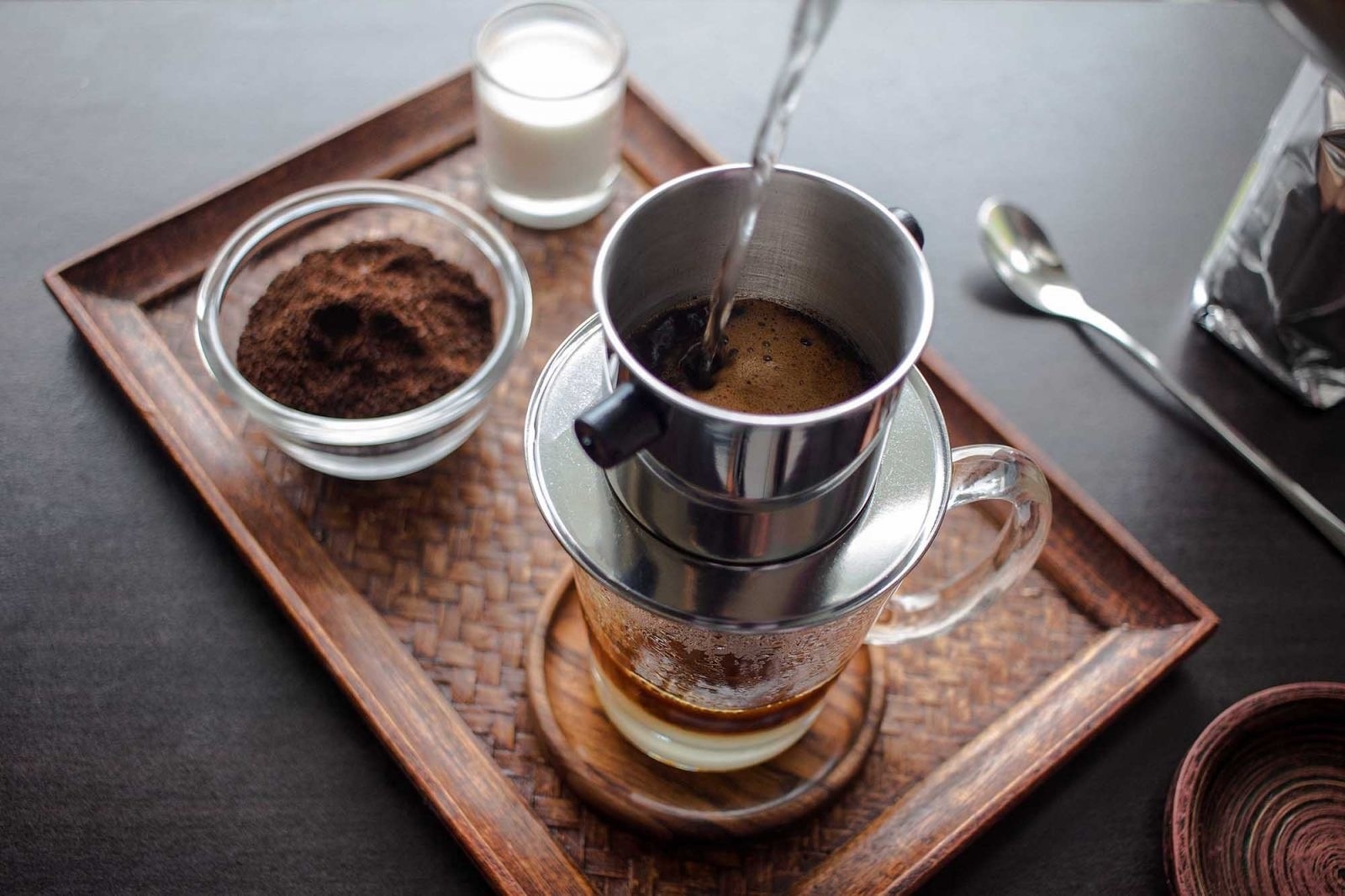
Simply add the ground coffee to your Phin (no need for any filters) and place it over your glass or cup with the sweetened condensed milk already in there. Pour the water into the Phin and wait until the coffee has completely dripped through. Do not shake phin or stir the coffee as it brews. Stir the coffee and milk together and enjoy!
Of course, if you are using another brewing method, simply brew your coffee as normal before mixing it with the condensed milk. Remember it’s the beans that give the coffee in Vietnam its unique flavour so aim for a robusta or a blend to get that authentic Vietnamese drip coffee taste.
So there you have it! The best Vietnamese drip coffee, without ever having to leave your house.
💡Pro Tip: When using whole beans, or a non-Vietnam coffee, you’ll find that a medium/course grind works best.
Where To Buy Coffee In Vietnam: Best Coffee Shops
With so many coffee shops cropping in the major cities across Vietnam, finding a place to sip on your favourite beverage won’t be an easy task. To be honest, most of the cafes you’ll come across will serve you a good cup.
To make things a little easier, I’ve listed some of the absolute best coffee shops in Vietnam and their locations. These places have that little something extra to make them worthwhile visits!
1. Cafe Dinh – Hanoi
📍 13 P. Dinh Tien Hoang, Hang Trong – Google Maps Pin
Cafe Dinh is one of those amazing finds in Hanoi. A coffee shop full of history and tradition that serves (one of) the best egg coffees you’ll taste. The owner is a member of the Giang family who famously invented the egg coffee recipe. You may also want to pop into Cafe Giang and have an egg coffee at its birthplace.
2. The Workshop – Ho Chi Minh City
📍 27 Ngo Duc Ke, Ben Nghe, Quan 1 – Google Maps Pin
Ho Chi Minh City’s first specialist coffee roaster, The Workshop is one of the best coffee shops in Vietnam. The cafe is modern and trendy and they serve every style of coffee from V60 to cold drip from ethically sourced beans. They also have a growing reputation for their tasty pasta dishes.
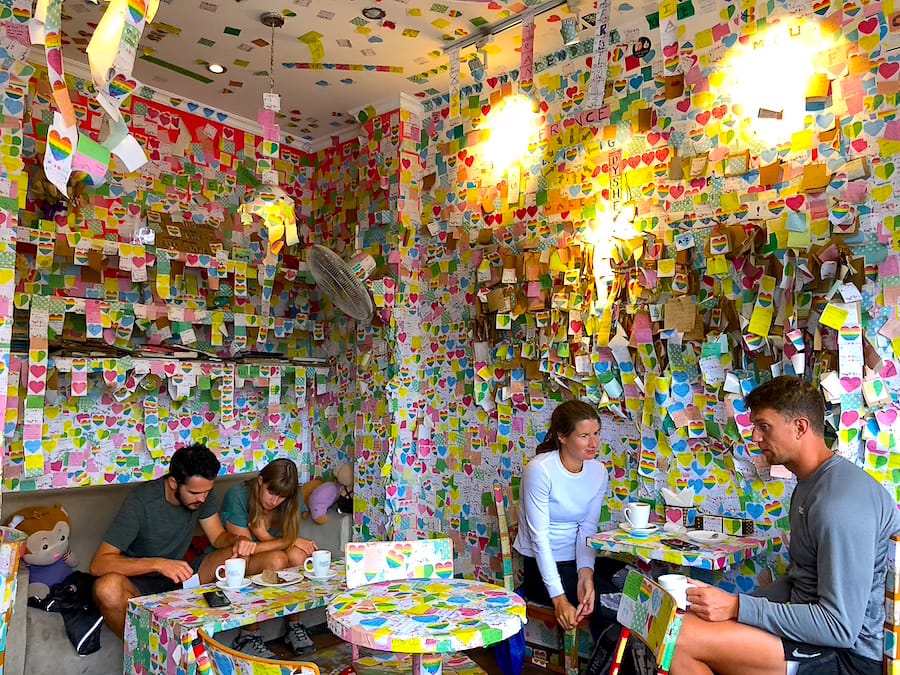
3. Loading T – Hanoi
📍 8 P. Chan Cam, Hang Trong – Google Maps Pin
4. XLIII Coffee – Da Nang
📍 Lot 422, D. Ng. Thi Si, Da Nang – Google Maps Pin
What this? A coffee shop not located in Hanoi or HCMC!? Formerly known as 43 Factory, XLIII Coffee in Da Nang is a hip, modern cafe that looks like a digital nomads paradise (it is) but they’re deadly serious about their coffee! The coffee is roasted on site so you know you’re getting some of the finest coffee in Vietnam here!
5. The Note Coffee – Hanoi
📍 64 P. Luong Van Can, Hang Trong – Google Maps Pin
FAQ: Vietnamese Coffee

Now that I’ve talked about some of the country’s best coffee brands and coffee shops, I’ll answer some FAQs on Vietnamese coffee.
What’s Unique About Vietnamese Coffee?
So what is it about this type of coffee that gives it such a unique flavour? The answer lies in the beans! Being the largest producer of robusta beans, it makes sense that these are beans used in most of the recipes.
Robusta beans have an earthy flavour and the coffee can be bitter, similar to dark chocolate. There is also more caffeine and less sugar than the desirable arabica bean leading to a strong, harsh-tasting cup.
While this may not sound the most appealing, brewing the coffee with a Vietnamese filter into sweetened condensed milk will give you a bold, refreshing brew.
Which Region In Vietnam Has The Best Coffee?
This really depends on what you’d call ‘best’. Since around 80% of Vietnam’s robusta production comes from the Central Highlands, you could say that is the best region for growing coffee.
There are now small pockets of mountainous areas in the Lam Dong province that have been producing Arabica beans recently. As these are the supposedly more desirable beans you could argue that the Lam Dong province has the best coffee.
Is Vietnamese Coffee High Quality?
Vietnam’s climate perfectly suited the large-scale cultivation of the robusta plant and therefore, this led many to believe that the country’s focus on mass production means quantity over quality.
The robusta bean was always seen as less desirable than the arabica as it was easier to grow meaning that people will generally think that Vietnamese quality is of a lower standard than that of Brazil or Columbia.
Don’t let that put you off though. Robusta beans have come a long way and there are many cafes in Vietnam that know how to get the most from these beans!
What Coffee Is Vietnam Known For?
Vietnam is well known for its Robusta coffee bean production which I’ve mentioned before. If we want to know about what kind of coffee Vietnam is known for then it has to be its drip coffee or phin coffee.
You can go to any cafe and order an espresso or flat white but the drip coffee is what you’ll get when you ask for a coffee in Vietnam. I recommend trying it with the sweetened condensed milk first, even if you usually do take it black.
Wrapping Up: Best Coffee In Vietnam

So there you have it — everything you need to know about the best coffee in Vietnam.
The amazing coffee and delicious cuisine and just one of the many reasons that make Vietnam a fantastic place to visit. It’s great to know that you can get hold of many well-known coffee brands too.
Even though I enjoy black coffee (double espresso and a dash of water) I thought the Vietnamese phin coffee and egg coffee were delicious. I still think about the egg coffee I had in Cafe Giang and have been trying to replicate the recipe ever since.
Remember the coffee in Vietnam has a more earthy, bitter taste than your typical Western coffee so it really is better with the sweetened, condensed milk.
I hope that you enjoy trying all the different coffees whilst travelling around Vietnam as much as I did!

Drink coffee like a local in Vietnam
A few coffee-drinking tips for your Vietnam trip:
Milky way Don’t even try to ask for decaf. If you prefer your coffee mild, do as the Vietnamese do and order ca phe bac xiu, coffee with lots of extra condensed milk. This will also taste like coffee ice cream and will be a delight for your (very) sweet tooth.
Sweet spot As condensed milk is sweetened, there is no white coffee without sugar. True coffee connoisseurs should opt for ca phe den (black coffee). A touch of sugar will bring out the complex flavours, just as it does with dark chocolate. However, if you want to ensure that your drink isn’t too sweet, ask for it duong (less sugar).
You might also like:
Vietnam tips: a first-timer’s guide
Ho Chi Minh’s quirkiest cafes
How to explore the world’s largest cave, Hang Son Doong, in Vietnam
How to make Vietnamese coffee
Get the coffee equipment ready. Gather your phin, the ground coffee beans, sweetened condensed milk and a mug or glass. I like to use a heatproof glass because aesthetics.
Boil the water. To be specific, you want the water between 195°-205°F. Essentially boil it and remove from the heat.
Preheat the phin and cup. Pour a bit of water through the filter. It’ll run right through and warm the filter and cup. Carefully pour the hot water out.
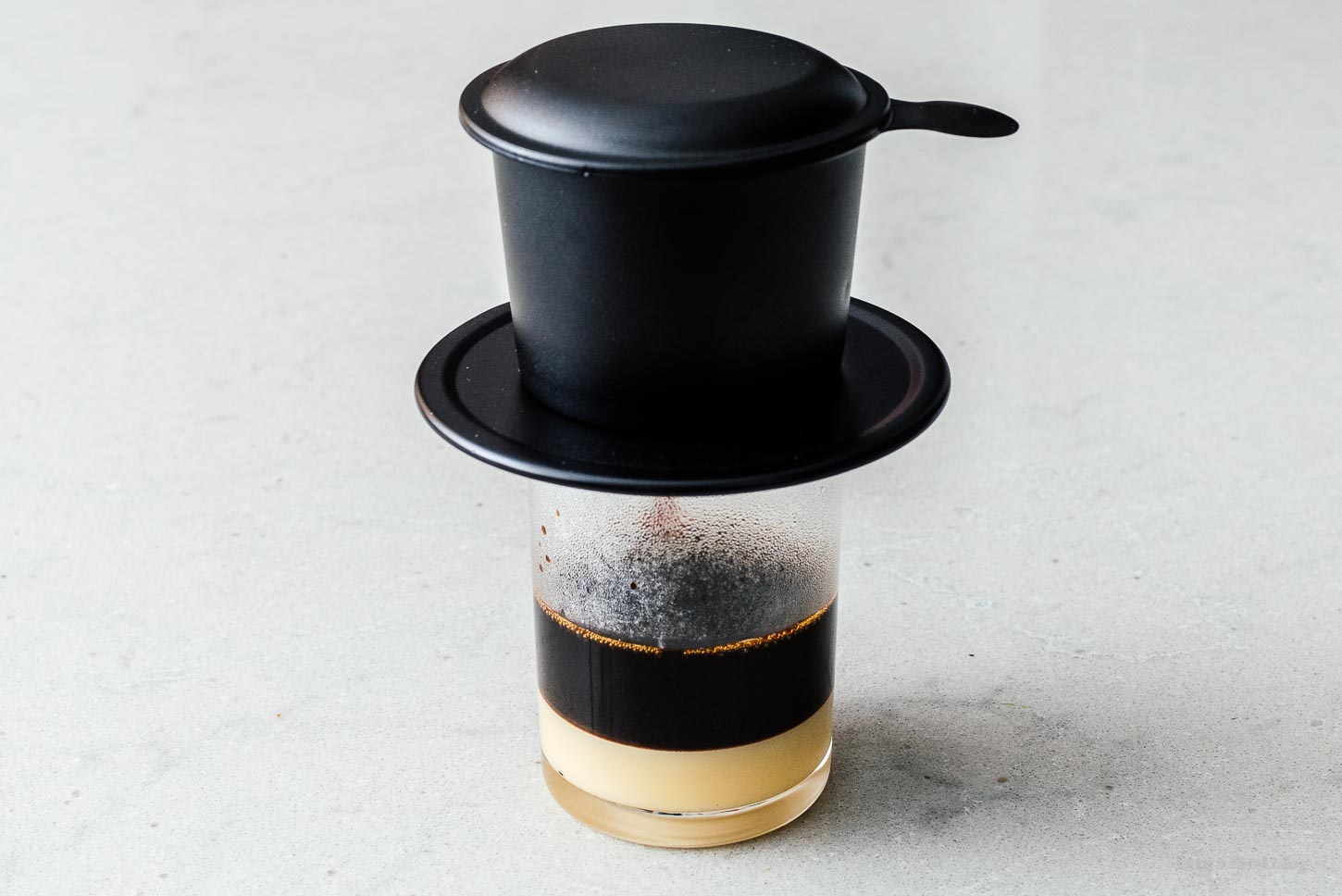
Add the condensed milk to the cup. Spoon some condensed milk (if using) into the cup. Add the body of the phin back on top, leaving the filter and lid to the side.
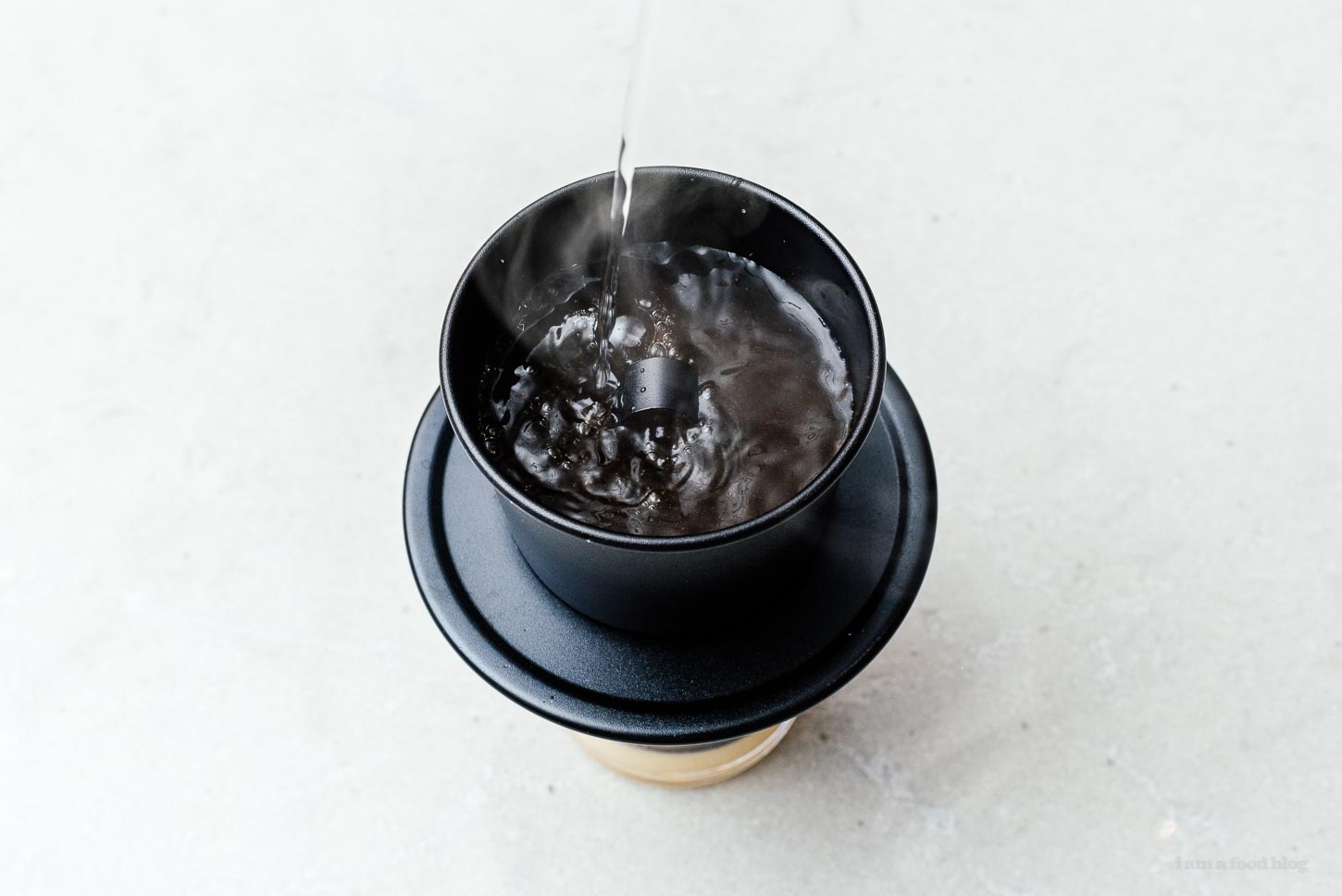
Bloom the coffee. Scoop in 1 heaping tablespoon of fine coffee grounds and use the filter press to lightly press down on the coffee. Pour in about 1 tbsp hot water over the filter. Let bloom for about 30-40 seconds.
Brew the coffee. Slowly pour more hot water into the phin until it reaches the top then cover it with the lid. Let the coffee brew, it should take about 3-5 minutes and it should drip through slowly.
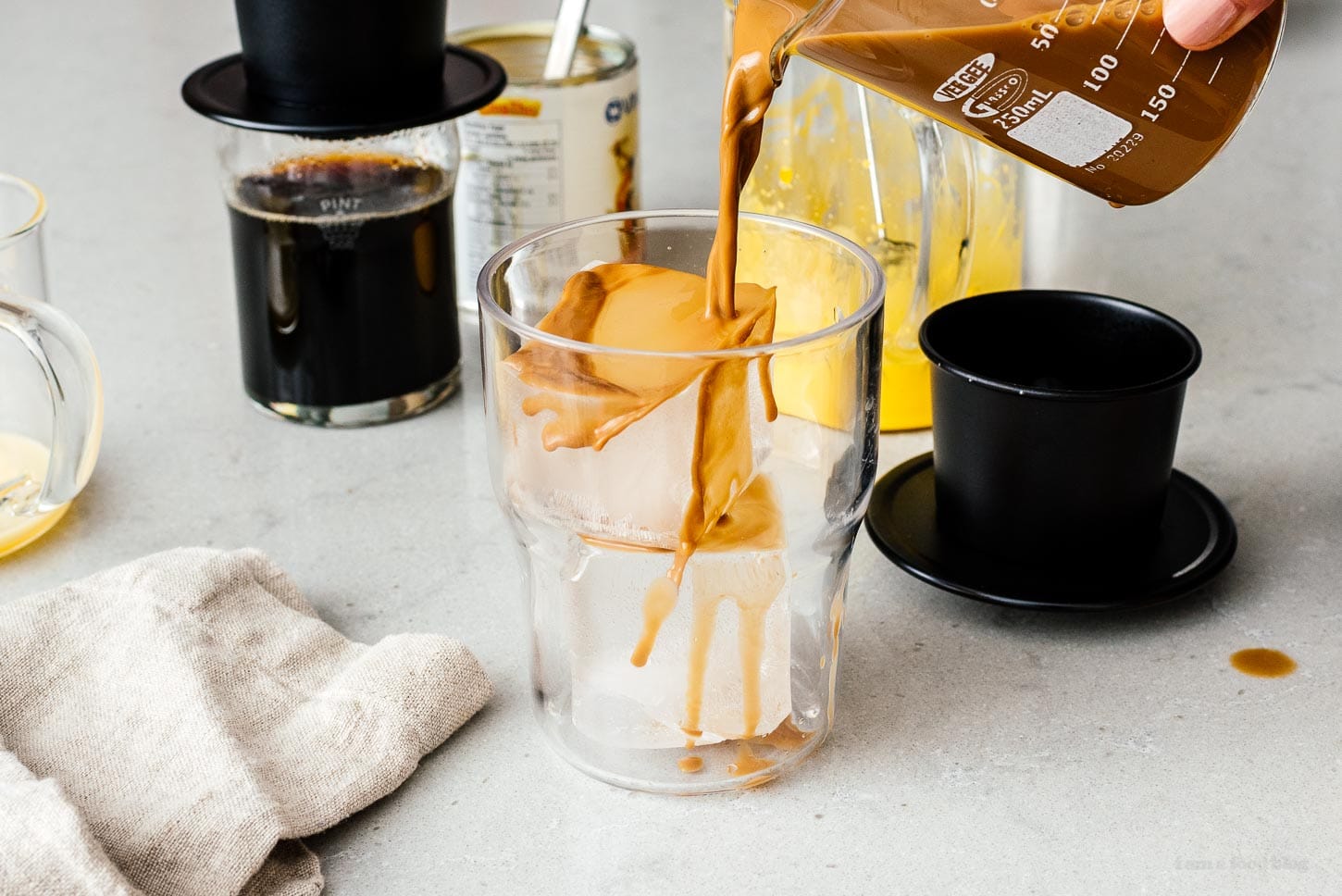
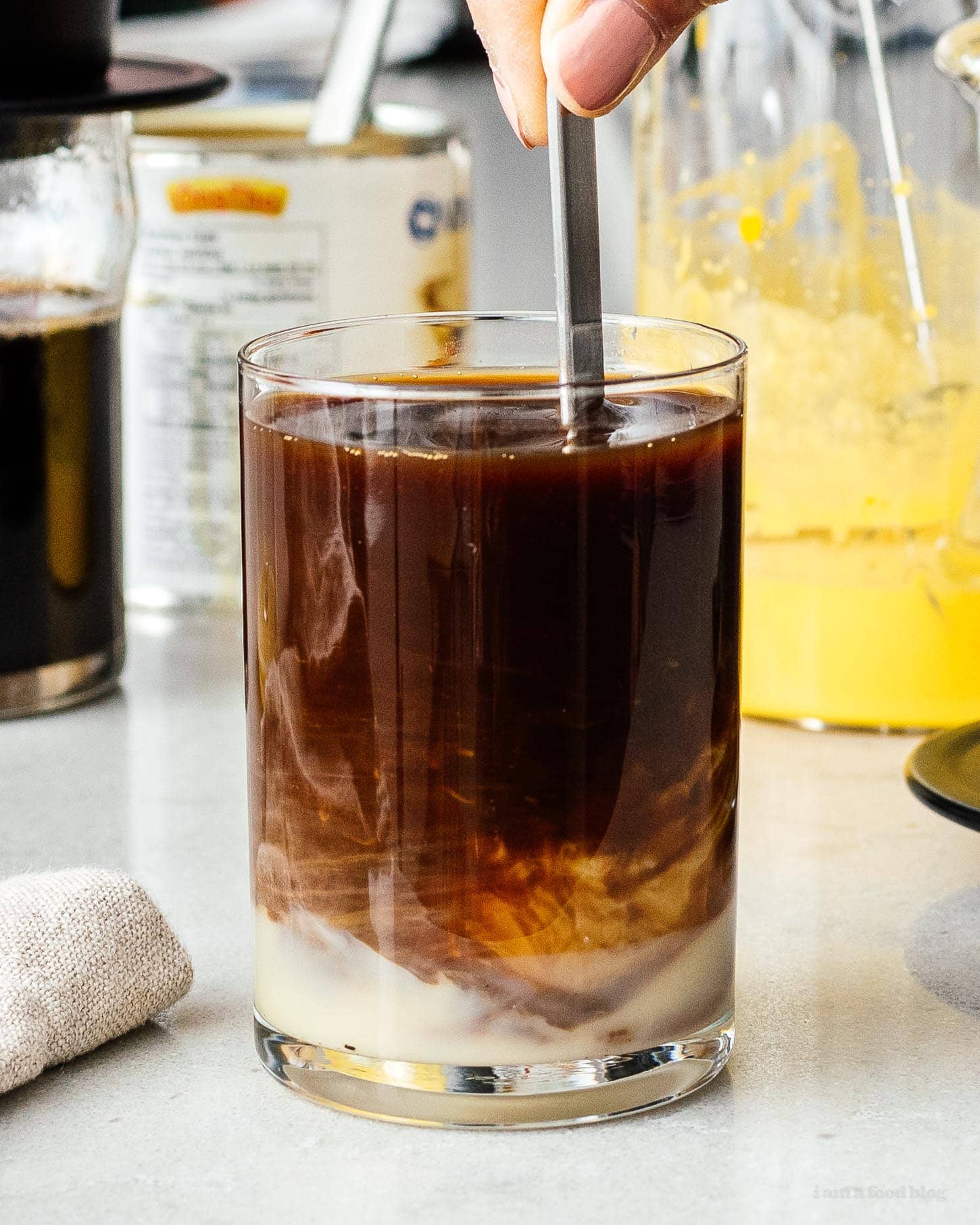
Enjoy! When the coffee is done brewing, remove the phin. Stir it up and pour over ice or add more hot water if desired.
Hot vs iced Vietnamese coffee
In Vietnam, coffee is enjoyed both iced and hot, it’s really up to personal preference.
Hot: Simple enjoy the coffee brewed straight from the phin. If you want your coffee slightly diluted, more like an americano, add some hot water.
Iced: There are two ways of making iced coffee. You can brew the coffee then pour it over ice or you can brew the coffee directly over ice.
Different types of coffee in Vietnam
In Vietnam, coffee has long overtaken its nature of simple drink. Below are some of the most famous recipes you can try while traveling across the country. Far from being fancy, it is common to find many of them in most traditional coffee places.
Coffee with milk (ca phe nau or ca phe sua)
Most people drink the dark, strong brew with sweetened condensed milk, a practice that began because the French couldn’t easily acquire fresh milk. Up to this day, fresh milk is not a common ingredient found in traditional coffee shops. You could ask but shouldn’t count on it. In the north of Vietnam, the mixture of black coffee and sweetened condensed milk is referred to as ca phe nau (brown coffee), while in the south it’s called ca phe sua (milk coffee). While it is mostly served cold with ice, you can also order it hot.
Yoghurt coffee (sua chua ca phe)
Like coffee, yoghurt was originally brought to Vietnam by the French and has been adopted into local culinary tradition. Rich and creamy, it’s served with various toppings, from fresh mango to fermented rice – and even coffee. This might sound like an odd combination, but the rich yoghurt pairs amazingly well with a drizzle of black coffee – just stir and sip.

Egg coffee (ca phe trung)
Egg yolk whipped with condensed milk into an airy froth meets dark coffee in this rich concoction: think of it as a Vietnamese take on tiramisu. A Hanoi invention, egg coffee first made the scene in the 1940s, when milk was scarce and egg yolks provided a convenient replacement. Café Giang in Hanoi’s Old Quarter, where it was invented, still serves the egg coffee but other places now offer their own recipe – sometimes even bettering the original!

Coconut coffee (ca phe cot dua)
It is unsure whether this is a traditional recipe or if it was invented by the Cong Caphe chain of boho coffee shops. What is certain however is that it’s become a favourite among the trendy Vietnamese youth in the past couple of years. Black coffee with a tear of condensed milk is mixed with coconut milk and blended with ice in a sort of shake. A more regular version served in some local shops presents a base of ca phe nau (brown coffee) mixed with coconut milk and fresh milk.
Coffee smoothie (sinh to ca phe)
In recent years, coffee has even found its way into smoothies. Popular juice shops perk up creamy blends of fresh fruit with a touch of Vietnamese coffee, sometimes tossing in yoghurt or cashews. In Hanoi, try sinh to ca phe chuoi bo (coffee blended with banana and avocado). In Ho Chi Minh, go for sinh to ca phe sapoche (coffee blended with sapodilla, a tropical fruit with a custard-like taste). Both are delicious ways to get your caffeine fix and your vitamins at the same time.

Vietnamese Coffee
Sweet and creamy, with a huge kick of intense coffee flavor.
- sweetened condensed milk
For egg coffee
Boil some water until it reaches 205°F. Preheat the filter and cup by pouring hot water through it. Carefully pour the water out. Optionally add 1-2 tablespoons sweetened condensed milk to the bottom of your cup.
Remove the filter and add 1 heaping tablespoon of fine Vietnamese coffee grounds. Use the filter to gently tap down the grounds flat.
Pour about 1 tablespoon of hot water over the filter press to bloom the coffee. Let it bloom for 30-40 seconds.
Slowly pour more hot water into the filter, until it reaches the top. Place the lid on and let the coffee drip slowly, it should take about 5-6 minutes for all of the water to filter through the coffee.
Stir it up and enjoy! You can also brew it over ice, pour it over ice, or enjoy it with extra hot water.
To make egg coffee
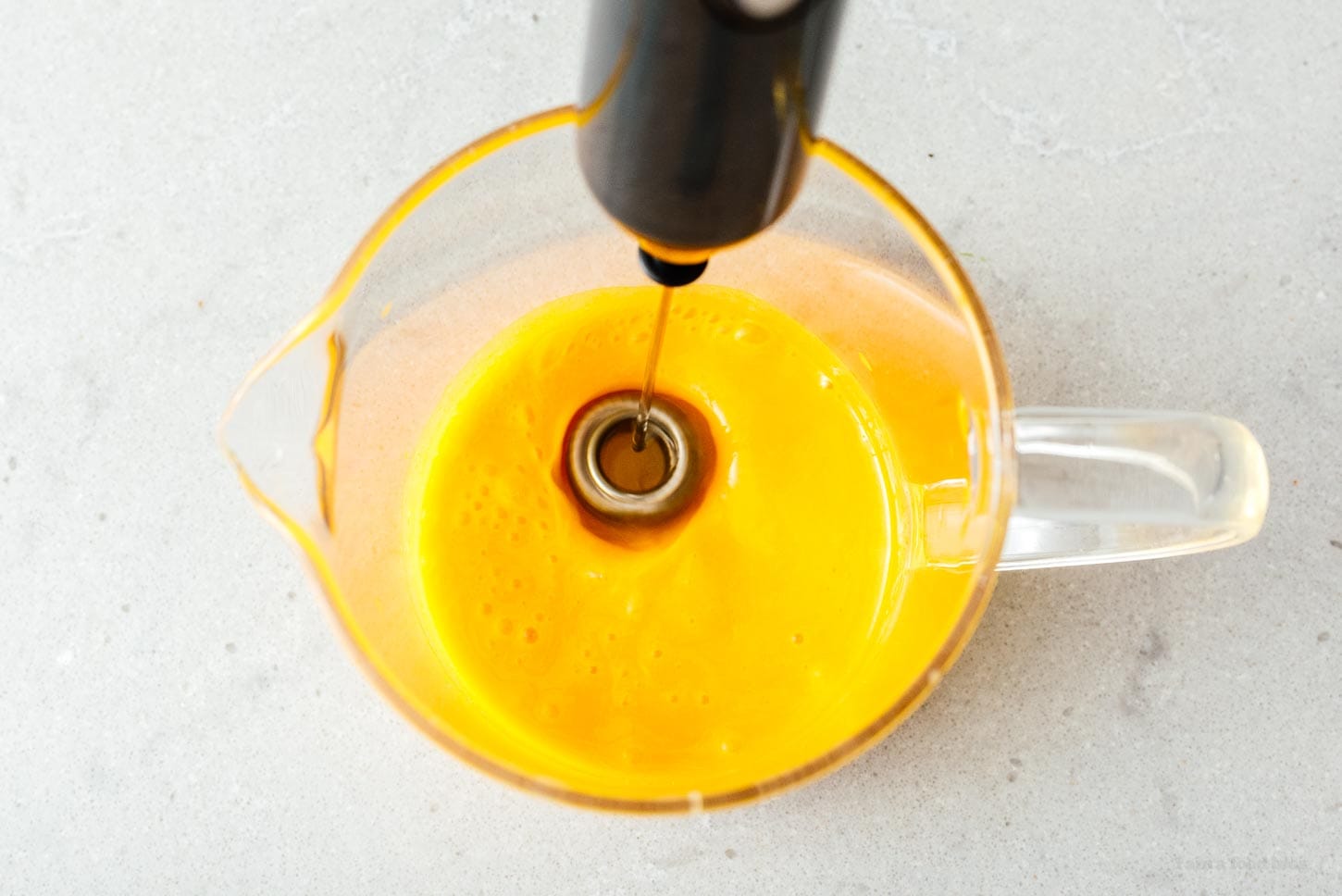
While the coffee is brewing, make an egg foam by combining 2 egg yolks and the condensed milk in a glass. Use a milk frother to whisk until thick and foamy, 2-3 minutes.
Spoon the fluffy egg on top of the brewed coffee. Serve the cup of egg coffee in a bowl of hot water, if desired. Sip the coffee as is or stir before enjoying!
Estimated nutrition for coffee with 1 tbsp condensed milk. Black coffee is essentially 0 calories.
Amount Per Serving
Calories from Fat 15
% Daily Value*
Saturated Fat 1.1g
* Percent Daily Values are based on a 2000 calorie diet.
What is Vietnamese coffee?
Dark, intense, rich, and deep, Vietnamese coffee is coffee made from Vietnamese grown coffee beans, strong and flavorful, often cut with sweetened condensed milk and drunk hot or cold.
Nowadays, lots of people think Vietnamese coffee is just regular old coffee with sweetened condensed milk in it. If we’re going to be purists: true Vietnamese coffee is made from robusta coffee beans (or a mix of robusta and arabica) grown in Vietnam.
Robusta beans are bitter, less acidic, and have twice as much caffeine as the more commonly used Arabica beans. Robusta beans produce a very dark, very strong coffee that’s beautifully balanced out by sweetened condensed milk.
For the sake of simplicity in this post, we’ll define Vietnamese coffee as coffee made from beans grown in Vietnam and or coffee served with sweetened condensed milk. We’re using Vietnamese grown beans and if you want a truly authentic cup, you should use them too 😉
Sweetened condensed milk
Contrary to popular belief, Vietnamese coffee doesn’t need to have sweetened condensed milk in it. In fact, Mike drinks his Vietnamese coffee black (ca phe den) and so do a lot of other people. I’m a huge fan of sweetened condensed milk – sometimes I eat it with bread.
My preferred brand of sweetened condensed milk is Longevity Brand. You can find it online or in Asian grocery stores. After opening, use a rubber spatula to scoop it into a clean container with a lid and pop it in the fridge. I like to put mine in a squeeze bottle so I can squeeze to my heart’s content. Sweetened condensed milk will keep in the fridge forever.
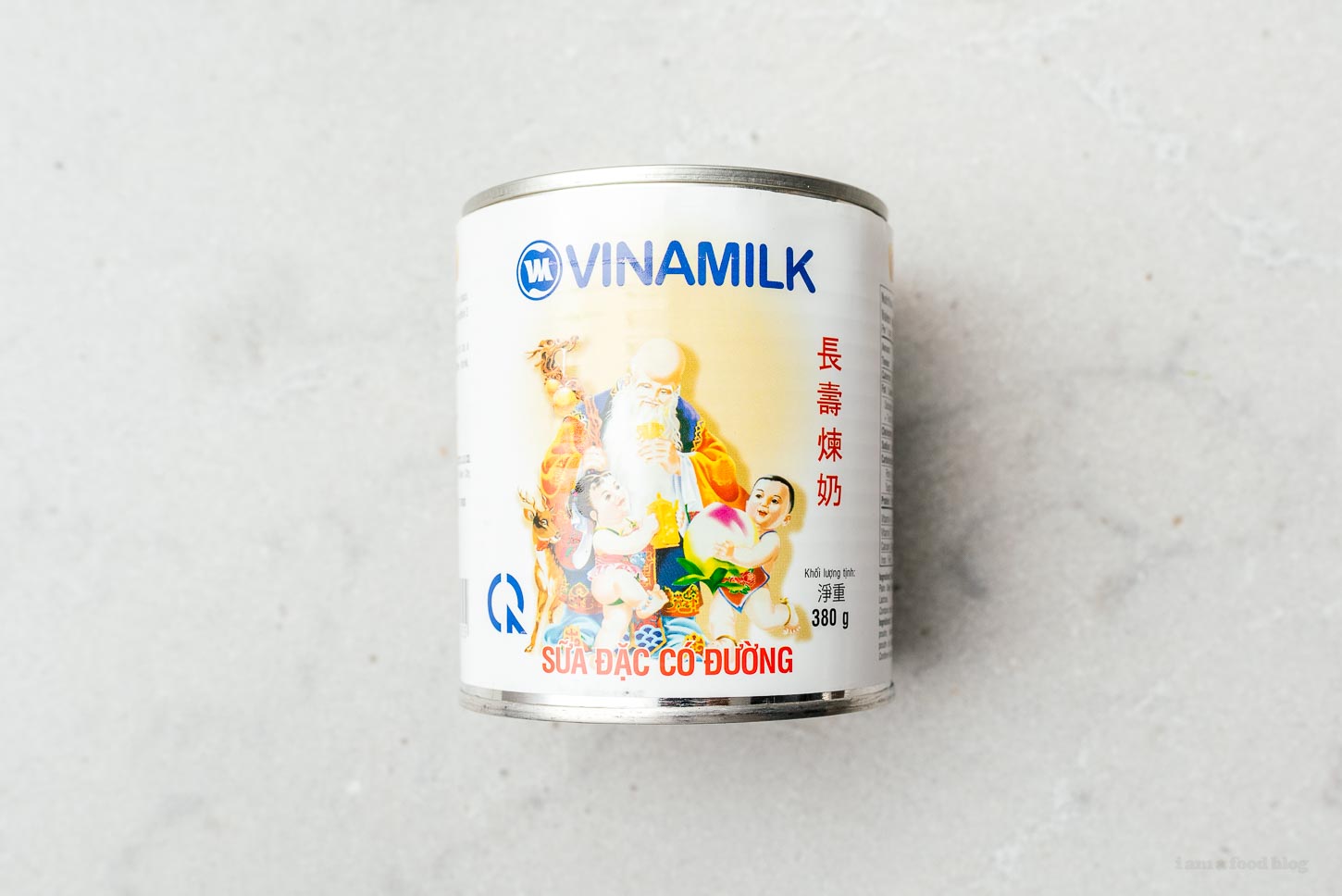
If you’re just at a regular grocery store, go for Eagle Brand, Carnation, and Nestle’s La Lechera sweetened condensed milks. I especially like the tubes that they sell now (Eagle Brand, La Lechera) because it’s so easy to squeeze out, no can opener needed.
Where to drink the best Vietnamese coffee
Hanoi remains the undisputed centre of cafe culture in Vietnam. While modern-style coffee shops have grown in popularity, traditional sidewalk cafes still fill up from morning to night with drinkers of all ages, who linger for hours over a single glass. However, you can find quality coffee all over Vietnam.
Singling out only a few places does not do justice to the extensive Vietnamese cafe culture, but below are some addresses that remain landmarks in the two main cities:
For the experience: Trieu Viet Vuong

For dessert: Cafe Giang
No trip to Hanoi is complete without a taste of egg coffee at the place it was invented. Cafe Giang (39 Nguyen Huu Huan), on the edge of Hanoi’s Old Quarter, was the first to begin whipping up this drink/dessert in the 1940s. Since then the atmosphere has changed as little as the recipe. While the tiny stools here might not be the most comfortable, the drink itself is top notch. Those who don’t drink coffee can sample the egg foam with sweetened mung beans or cocoa.
For the view: Cafe Pho Co
Accessed via an entrance concealed in the back of a shop, a spiral staircase leads up to Hanoi’s Cafe Pho Co and a stunning view of Hoan Kiem Lake. From the quiet balcony overlooking the lake and surrounding streets, you can enjoy a coffee while watching the seemingly never-ending stream of traffic pass by.

For a blast from the past: Cafe La Tamia
A retro cafe in Ho Chi Minh City, La Tamia (38/05 Tran Khac Chan) offers visitors a glimpse into old Saigon. Relax on a vintage sofa or browse the cafe owner’s collection of antique TVs and gramophones while enjoying your iced coffee.
The secrets of Vietnamese coffee
The preparation process, as well as the blend of beans, helps give Vietnamese coffee its particular style. Most of the Vietnamese coffee bean plantations are located in the area of Da Lat, nicely nicknamed ‘Europe of Vietnam’ because of its fresher climate and hilly landscape. Most of the tea, coffee and even the flowers sold across the country are originally grown there in the south.
But what makes Vietnamese coffee so flavourful? Some will argue it’s the filter drip, but the traditional roasting way actually makes for its special intense taste: the Vietnamese can roast it with rice wine, a pinch of salt, and butter. This last ingredient is the reason why slow-drip coffee in Vietnam can sport a slight oily texture. Some roasteries add flavours such as chocolate or caramel, all very much to the taste of local coffee drinkers.
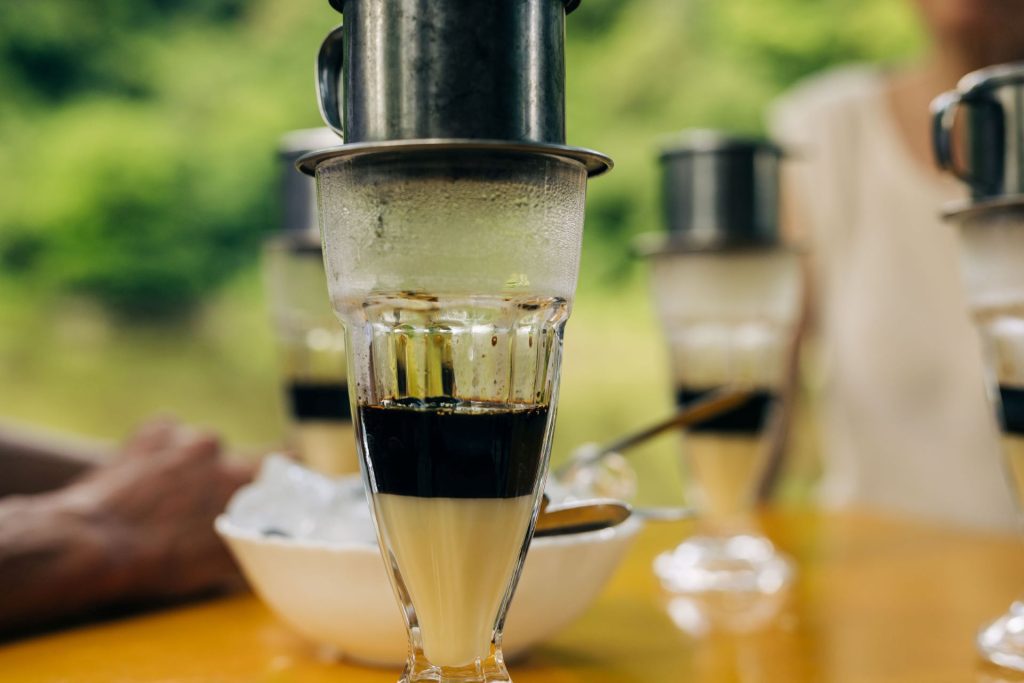
Coarsely ground beans go into a French drip filter (called a phin), which sits on top of the cup. The beans are weighted down with a thin lid, hot water is added to the phin, and then the water slowly trickles through into the cup. This operation should be repeated at least twice before the drip actually produces enough coffee to be enjoyed.

What does Vietnamese coffee taste like?
In a word: delicious! I am addicted to that sweet milky coffee-forward flavor. It tastes like how you imagine coffee to taste. Deliciously dark and deep with a hint of roasty caramel, sweet milkiness, nutty buttery-ness, with just a touch of chocolate notes.
What to serve
Where to buy already brewed Vietnamese coffee
If, after reading all this, you feel like you want to try a cup of Vietnamese coffee but don’t want to make it yourself, there’s another option. Just hit up your local banh mi deli. They’ll always have Vietnamese coffee on the menu.
Starbucks Vietnamese iced coffee hack
This is a trick I use when we’re on the road and I need a sweet and creamy Vietnamese ice coffee but I don’t have any sweetened condensed milk handy. You can adjust the shots of espresso and pumps of white chocolate mocha as needed based on your caffeine and sweetness needs.
When I want it to taste almost exactly like a Vietnamese iced coffee, I order an Iced grande quad espresso with 3 pumps white chocolate mocha.
Frequently Asked Questions
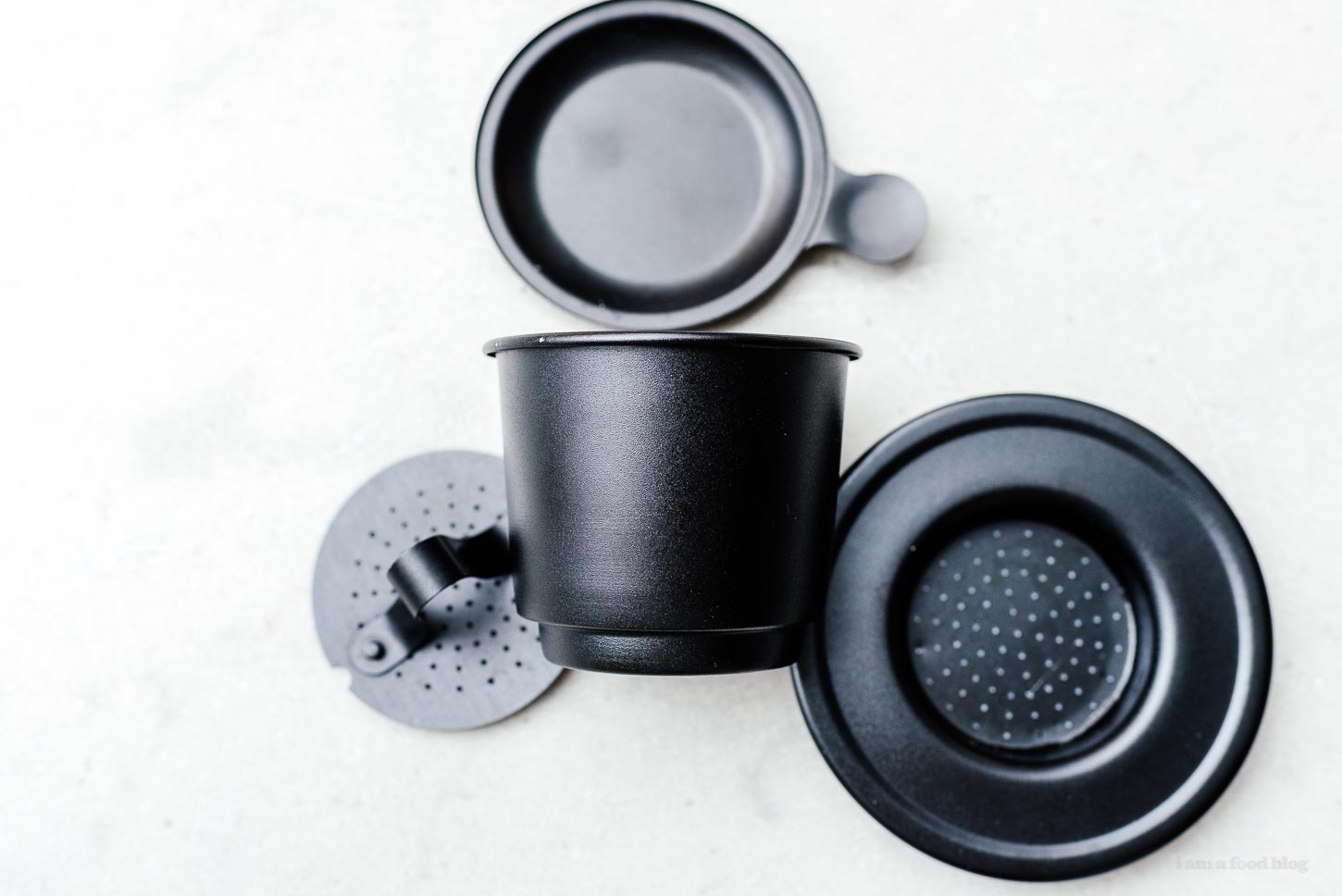
- Where is the black phin from?
It was a limited edition thing from a friend who owns a Vietnamese coffee shop, unfortunately you can’t get it anymore but if anyone knows where else you can get one, please leave me a comment!
- Vietnamese coffee is too sweet for me
Pro tip, when you order it at Vietnamese bakeries or restaurants, you can ask them for less condensed milk if you like your coffee on the less sweet side.
- Can you drink it black?
Yes you can and lots of people do. It’s called ca phe den and it’s pretty common actually!
- Why use sweetened condensed milk?
Back when coffee started to become really popular in Vietnam, fresh milk wasn’t as readily available as sweetened condensed milk. Fresh milk is much more perishable and sweetened condensed milk was so much easier to store and use. Now the combination of strong and sweet is synonymous with Vietnamese coffee.
How to make egg coffee
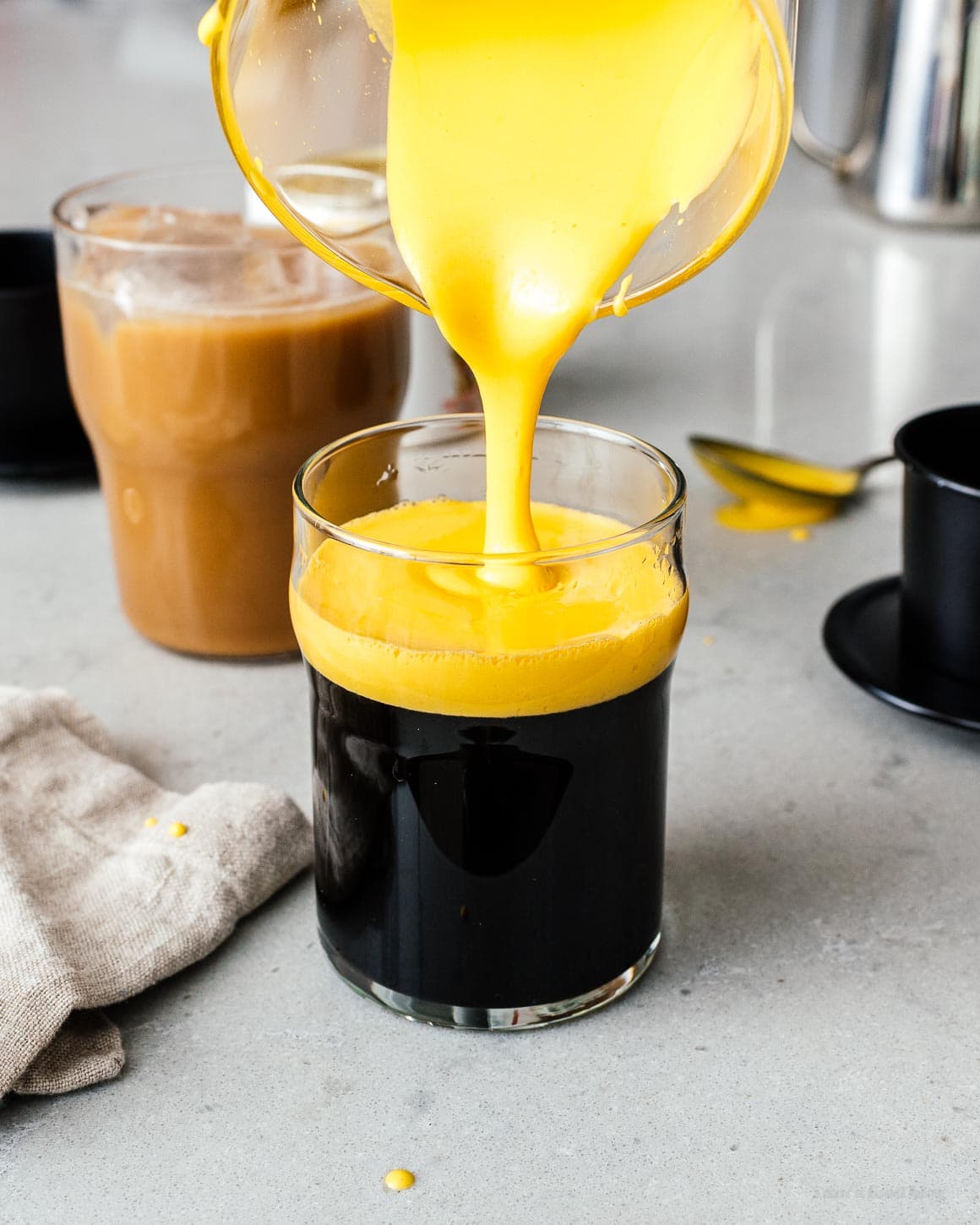
Brew a cup of Vietnamese coffee, without any sweetened condensed milk. The fluffy, creamy egg topping will add all the sweetness you need. While the coffee is brewing, make the sweetened egg cream by whisking together egg yolks and sweetened condensed milk with a milk frother. I like this one because it whips up eggs incredibly fast.
You can use it to make dalgona coffee too! Once your sweetened egg cream is whipped up and your coffee is brewed, gently spoon the cream on top of the coffee. Enjoy sipping as is, or use a small spoon to stir everything together.
Vietnamese coffee ingredients & equipment
Coffee Phin
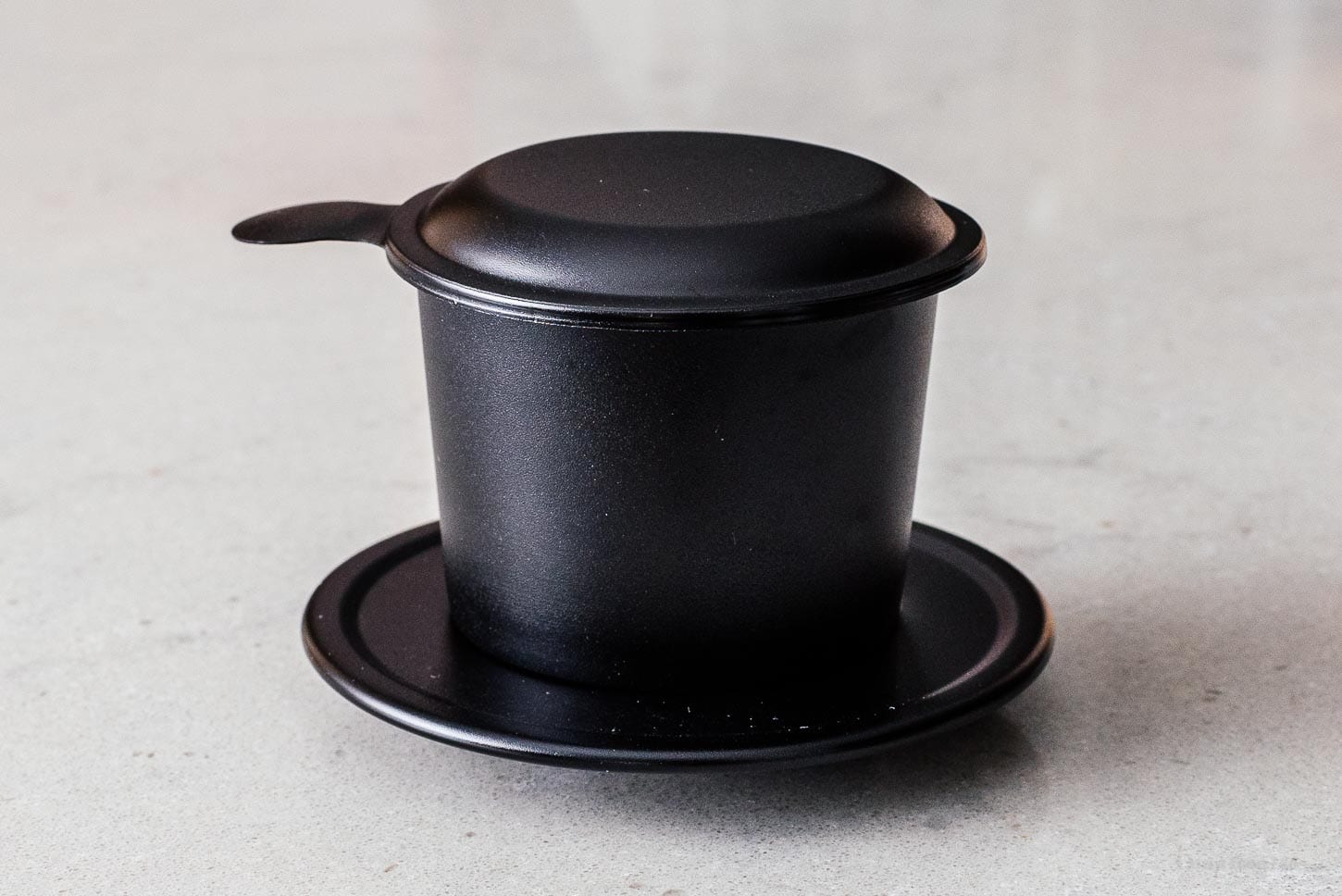
What is a phin? It’s an individual stainless steel coffee filter that sits on top of a glass. A phin is made of three parts: the body, the press or filter disk, and the lid. Coffee grounds go into the body, the press is placed lightly on top and finally, the lid covers everything. The coffee drips out slowly into the waiting cup at the bottom. It’s kind of a mix between pourover and a French press.
Coffee beans
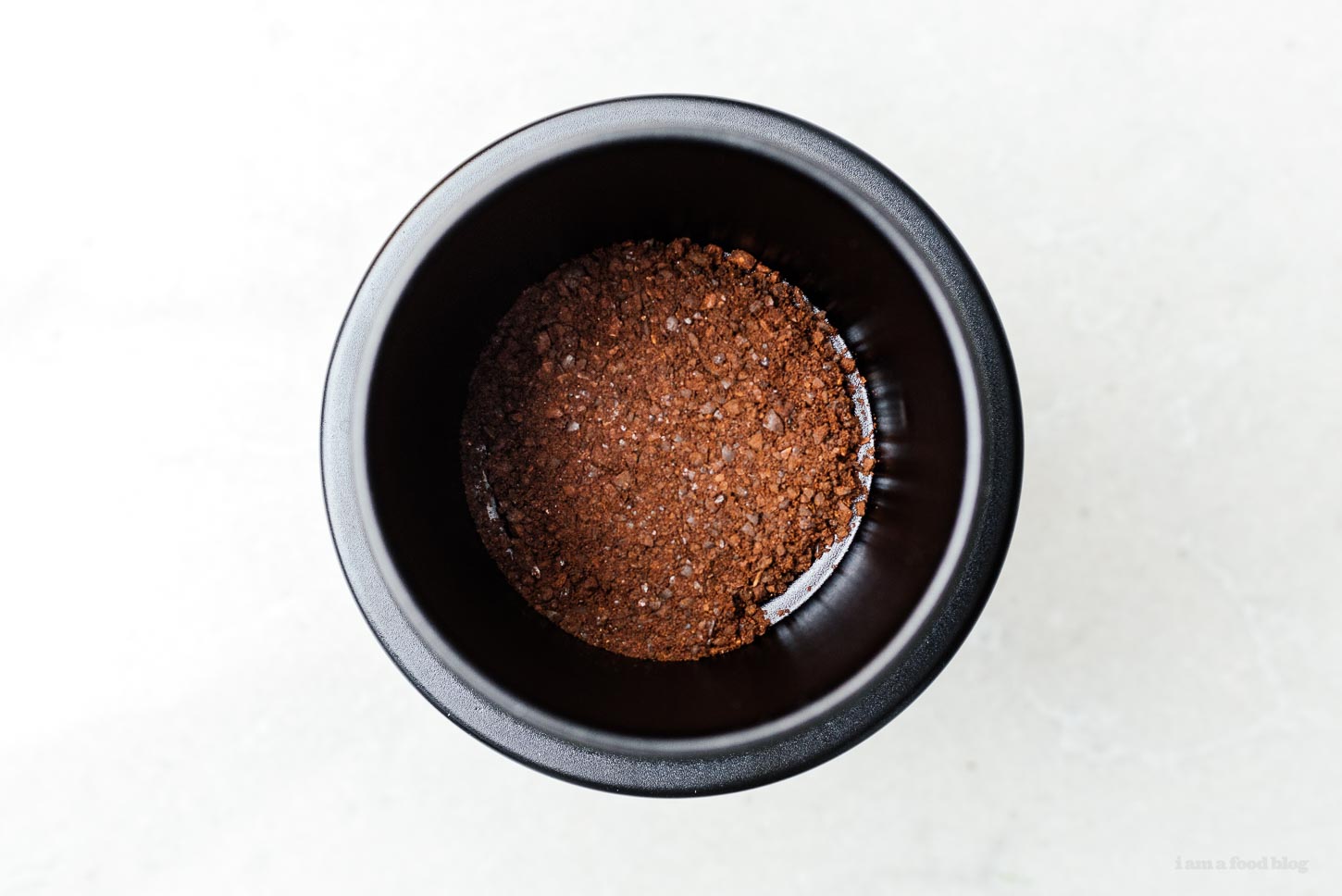
Some people say that it’s the condensed milk or way it’s been brewed that makes Vietnamese coffee Vietnamese coffee, but really it’s the beans. Lots of Vietnamese roasters roast with butter for extra richness.
For a true Vietnamese coffee, try to find a bean that’s grown and roasted in Vietnam. Contrary to popular belief, Cafe du Monde coffee (which is often used in Vietnamese restaurants) are not actually Vietnamese beans. There are a variety of Vietnamese beans on the market and lots of them are sold online.
Cheater’s Vietnamese Iced Coffee
When you want Vietnamese iced coffee and you want it fast, here is a quick and easy way to make it, no phin needed! Here’s how:
Make a cup of very strong coffee, either espresso (at least 2 shots) or extra strong brewed coffee.
Stir in 1 tablespoon sweetened condensed milk or to taste then top off the glass with ice.
The hot coffee will melt the ice. Top it off with cold water if desired. Enjoy!
Egg Coffee
Egg coffee or cà phê trứng is a specialty of Hanoi, the capital of Vietnam. Whisked egg yolks, condensed milk, and strong coffee come together in a perfect cup. Egg coffee’s beautifully layered with contrasting flavors: bitterness from the coffee, sweetness from the condensed milk, and richness from the whipped egg yolks. It’s like drinking a liquid tiramisu.
Vietnamese coffee chains
| Coffee chains[7] | Description | Specialty |
| ———————— | —————————————————————————————————————————————————————————————————– | ———————————————————————————————————————- |
| Highlands Coffee | The dominant chain café brand in Vietnam makes them a rival to Starbucks | This store is known to be a community where people talk about their love coffee, teas, and food. |
| The Coffee House | The second most popular Vietnamese chain coffeehouse, serving thousands of customers every day in their several stores scattered throughout Vietnam. | The Coffee House is known for its viral “Passionate journey from farm to a cup of coffee”, enjoyed by many aficianados |
| Cong Coffee | Best known for their frozen coconut milk beverages. | |
| Urban Station Coffee | Urban Station Coffee is inspired by the American style of "grab-and-go" coffee. The interiors of its locations are styled similar to chains in American cities, with green walls and images. | This coffeehouse is known for being inspired by America’s takeaway coffee. |
| Trung Nguyen Legend | This coffee shop is the official coffee shop of Trung Nguyen. It is valued by the Vietnamese for its reputation and cultural knowledge. | Trung Nguyen Café is known for its unique culture and for its mindful, successful, and happy lifestyle |
| Phuc Long Coffee and Tea | Phúc Long Coffee and Tea is located in Saigon which is now Ho Chi Minh City. It was established in 1968 and has been popular for many generations. | This café is similar to Cong Café and is very popular place with young Saigonese |
| Gemini Coffee | Gemini Coffee was established in 2008. It focuses on younger generations with a middle income. This is how it survived the 2013 chain café crisis. Since 2017, the store has 18 branches nationwide. | Gemini Coffee is known for its "green and clean coffee" |